Quick Facts
- Top Longevity City: Bergen, Norway, leads the global ranking with a score of 88.87.
- Highest Healthiest Country: Spain holds the top national title with a health score of 92.8.
- Key Growth Driver: Exceptional air quality and the integration of active transport systems.
- Regional Leader: Europe dominates the rankings, securing 8 of the top 10 positions.
- The 2026 Leaderboard: 1. Bergen, 2. Canberra, 3. Nantes, 4. Bern, 5. Lausanne, 6. Zurich, 7. Basel, 8. Reykjavik, 9. Oslo, 10. Singapore.
- Direct Answer: According to 2026 studies, Bergen, Norway, is the world's top longevity destination, followed by Canberra and Nantes. These locations lead the healthiest places to live in the world due to superior environmental conditions and robust healthcare.
According to 2026 studies, Bergen, Norway, is the world's top longevity destination, followed by Canberra, Australia, and Nantes, France. These cities lead the global rankings for the healthiest places to live in the world due to their superior environmental conditions, high quality of life scores, and robust public healthcare systems. European cities continue to dominate the top of the list, frequently outperforming North American counterparts in areas such as life expectancy and lower obesity rates.
Global Rankings: The 10 Healthiest Cities for 2026
When evaluating where the healthiest people in the world reside, we look beyond simple medical statistics. The latest data from the Global Cities Index suggests that longevity is the result of a complex interplay between urban design, environmental purity, and social policy. In our 2026 assessment, we have analyzed over 150 global hubs to identify where residents have the best chance of living a long, disease-free life.
The following table represents the world's top 10 longevity destinations 2026 based on comprehensive health scores and life expectancy data.
| Rank | City | Country | Health Score | Life Expectancy |
|---|---|---|---|---|
| 1 | Bergen | Norway | 88.87 | 83.2 |
| 2 | Canberra | Australia | 87.50 | 83.9 |
| 3 | Nantes | France | 86.42 | 82.5 |
| 4 | Bern | Switzerland | 85.90 | 84.1 |
| 5 | Lausanne | Switzerland | 85.75 | 84.0 |
| 6 | Zurich | Switzerland | 85.60 | 83.9 |
| 7 | Basel | Switzerland | 85.33 | 83.8 |
| 8 | Reykjavik | Iceland | 84.95 | 83.1 |
| 9 | Oslo | Norway | 84.20 | 82.9 |
| 10 | Singapore | Singapore | 83.88 | 84.2 |
The data confirms that while Singapore and Canberra provide stiff competition from the Asia-Pacific region, the European continent remains the undisputed leader in providing a health-centric urban environment.
Bergen: Why the Gateway to the Fjords is #1
Bergen has long been celebrated for its dramatic landscapes, but its ascent to the top of the longevity rankings is based on rigorous metrics. In a 2026 study by World Depopulation, Bergen was identified as the urban area where residents have the highest odds of living past the age of 100. This is not merely a matter of genetic luck; it is the result of a city designed for movement.
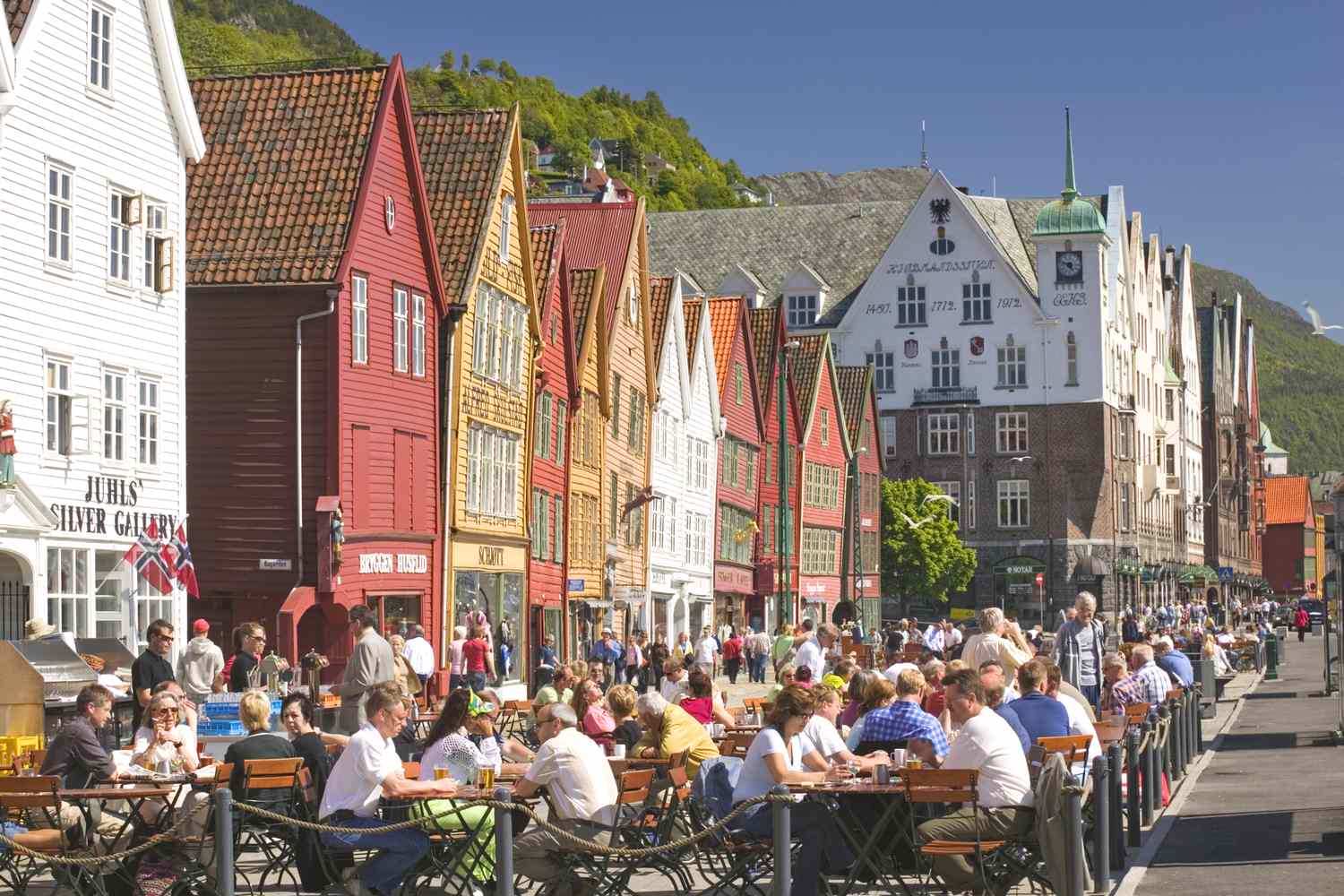
The city achieves its leading status through a combination of extreme walkability and a cultural commitment to the outdoors. Neighborhoods like Bryggen and Sandviken are not just historic landmarks; they are functional, pedestrian-first zones that encourage active transport. This physical activity is supported by a healthcare system that ranks fourth globally for access and public services.
What makes a city the healthiest to live in often comes down to lifestyle choices. One of the most striking statistics is that Bergen maintains one of the lowest tobacco smoking rates globally, with fewer than 1 in 16 adults reporting regular use. This, combined with pristine air quality and a robust Nordic lifestyle that prioritizes work-life balance, creates an environment where seniors over 70 receive exceptional social welfare support, allowing them to remain active participants in society.
The Two Paths to 100: Nordic vs. Mediterranean Models
When we examine the top 10 healthiest country in the world list, we see two distinct philosophies of health. On one hand, we have the Nordic model, exemplified by Norway and Iceland. This approach focuses on environmental purity, high-tech preventive medicine, and government-subsidized social welfare. On the other hand, the Mediterranean model, led by Spain and Italy, relies on cultural habits and dietary foundations.
Spain is currently the projected leader for the healthiest nation in 2026, boasting a national health score of 92.8. The success of the Spanish model is attributed to the Mediterranean diet, which emphasizes healthy fats, lean proteins, and fresh produce. However, it is the lifestyle—long walks (the paseo), strong social ties, and a healthcare infrastructure that excels in primary care—that drives their impressive life expectancy.
Italy follows a similar trajectory. While its economy faces challenges, the Italian commitment to food security and community-based care for the elderly ensures that it remains a top contender. In contrast, the Nordic nations like Norway and Sweden score highly by combining advanced medical access with sustainable urbanism. They have mastered the art of incorporating urban green spaces into cold climates, ensuring that outdoor recreation remains a year-round priority.
The Air Quality Factor: A 2026 Ranking Shift
In the 2026 rankings, air quality emerged as the single most influential differentiator for best cities for longevity and quality of life. As global pollution levels fluctuate, cities that have successfully implemented low-emission zones and green belts are seeing a direct correlation with resident health.
According to recent environmental audits, only seven countries currently meet the strictest safe air guidelines, including Australia, Iceland, and Finland. This is a primary reason why Canberra and Reykjavik consistently appear at the top of our lists. Industrial hubs that once held high rankings have seen a significant drop as respiratory health becomes a more weighted factor in the longevity algorithm.
Cities like Nantes in France have climbed the rankings by prioritizing sustainable urbanism. By converting former industrial sites into urban green spaces and expanding their active transport networks, they have significantly reduced the prevalence of lifestyle-related diseases associated with sedentary, polluted urban living. This shift proves that the healthiest cities in europe for long life are those that treat the environment as a fundamental pillar of public health.
The Longevity Gap: Why the U.S. and Others Lag Behind
To understand the success of the healthiest places to live in the world, we must also look at why other affluent nations are falling behind. A stark contrast exists when comparing the top 10 with the trends seen in the unhealthiest country in the world rankings.
The United States, for instance, ranks 34th globally with a health score of 73.02. This is despite the country having the highest per-capita medical spending in the world. The primary drivers for this lower ranking are systemic: a 42.74% obesity rate and a culture that often prioritizes convenience over physical activity.
While the U.S. excels in specialized surgery and medical innovation, it struggles with preventive medicine and public healthcare systems that address the root causes of chronic illness. High obesity rates and lifestyle-related diseases are often the result of food cultures that favor processed goods over the fresh ingredients found in the Mediterranean diet. Furthermore, the lack of walkable infrastructure in most American cities contributes to physical inactivity, creating a significant gap between North American and European health outcomes.
Practical Guide: Healthiest Places for Expats and Retirees
For those considering a relocation to improve their well-being, the healthiest countries for expats in 2026 offer varying benefits depending on your budget and lifestyle preferences.
Switzerland is a standout choice for those who can afford it. With four cities—Bern, Lausanne, Zurich, and Basel—in the top 10, the country offers unparalleled medical care and access to alpine outdoor recreation. However, the high cost of living is a significant barrier.
For retirees seeking the world's top 10 longevity destinations 2026 on a more modest budget, Spain remains the gold standard. It provides a high quality of life, excellent weather, and a healthcare system that is consistently ranked among the best in the world.
Singapore represents the peak of urban health in a high-density environment. It is the only Asian city in the top 10, achieving its score through a world-class public transport system that mandates high levels of incidental walking and a government that heavily subsidizes preventive health screenings. This makes it an attractive option for working expats who value efficiency alongside longevity.
FAQ
Who has the longest life expectancy?
Residents of Singapore and Switzerland currently hold the highest life expectancy figures globally, with both nations seeing averages exceeding 84 years. In these regions, a combination of advanced public healthcare systems and high standards of living allow a significant portion of the population to live well into their 90s.
What is the safest and healthiest country to live in?
Iceland is frequently cited as the safest and healthiest country to live in. It combines extremely low crime rates with some of the cleanest air and water on the planet. Its ranking in the top 10 healthiest nations in the world 2026 is a testament to its focus on environmental purity and social welfare.
Which nationality is the fittest?
The Norwegians and Swiss are currently considered some of the fittest nationalities. This is measured by the high percentage of the population that meets or exceeds recommended daily physical activity levels. Their cultures place a heavy emphasis on outdoor recreation, such as hiking and skiing, regardless of age.
Where does the US rank in being healthy?
The United States currently ranks 34th in global health rankings, with a score of 73.02. Despite high spending on medical technology, the nation struggles with high obesity rates and a healthcare system that focuses more on treatment than preventive medicine.