Quick Facts
- The 3-1-1 Rule: All liquids, gels, and aerosols must be in containers of 100 milliliters (3.4 ounces) or less, stored in a single clear quart-sized bag.
- Agricultural Compliance: Fresh fruits, vegetables, and many meat products are strictly prohibited; failure to declare them can lead to significant civil penalties.
- Document Readiness: Passports must often have at least six months of validity remaining beyond your travel dates to satisfy immigration checkpoints in many countries.
- Electronic Safety: High-capacity lithium batteries and power banks must remain in carry-on luggage and should be charged enough to power on if requested.
- Real ID Deadline: Starting May 2025, standard state-issued driver's licenses may no longer be sufficient for domestic air travel in the United States.
- Expedited Screening: Programs like TSA PreCheck and Global Entry significantly reduce wait times and the need to remove airport security shoes or laptops.
To ensure smooth airport security screening, travelers should organize all travel documentation in a passport holder, wear easily removable airport security shoes, and consolidate liquids into clear quart-sized bags. Proactively declaring agricultural items to CBP agents is the best way to avoid heavy civil penalties and secondary screening.
1. The Invisible Expiration: Ignoring the 6-Month Rule
One of the most heart-wrenching scenarios I witness involves travelers being turned away at the boarding gate despite having a valid passport. The mistake lies in the fine print of international travel regulations. Most countries require that your travel documentation remains valid for at least six months beyond your planned date of departure. If you arrive at immigration checkpoints with only three months left on your passport, you are technically an undocumented risk in the eyes of the host nation.
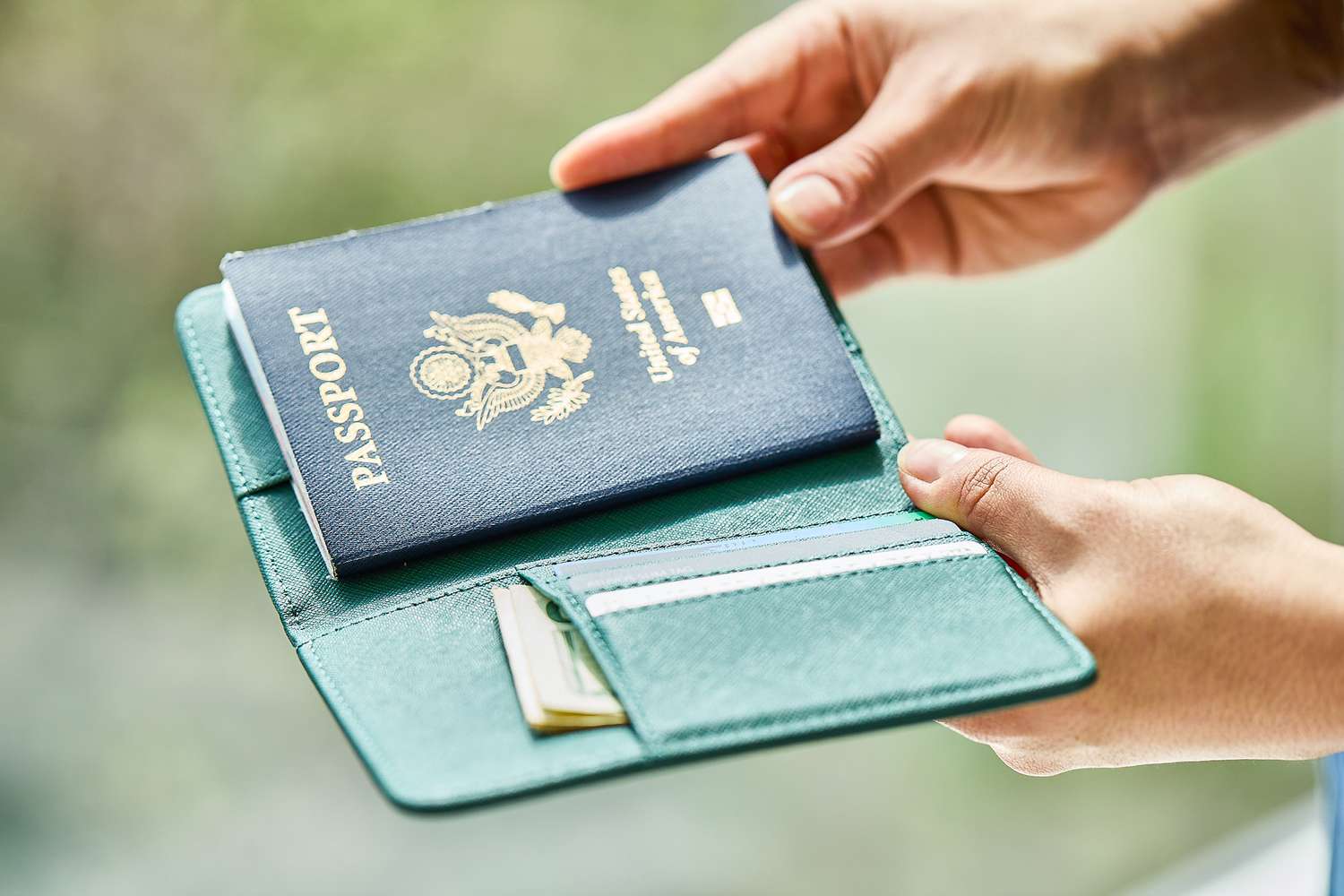
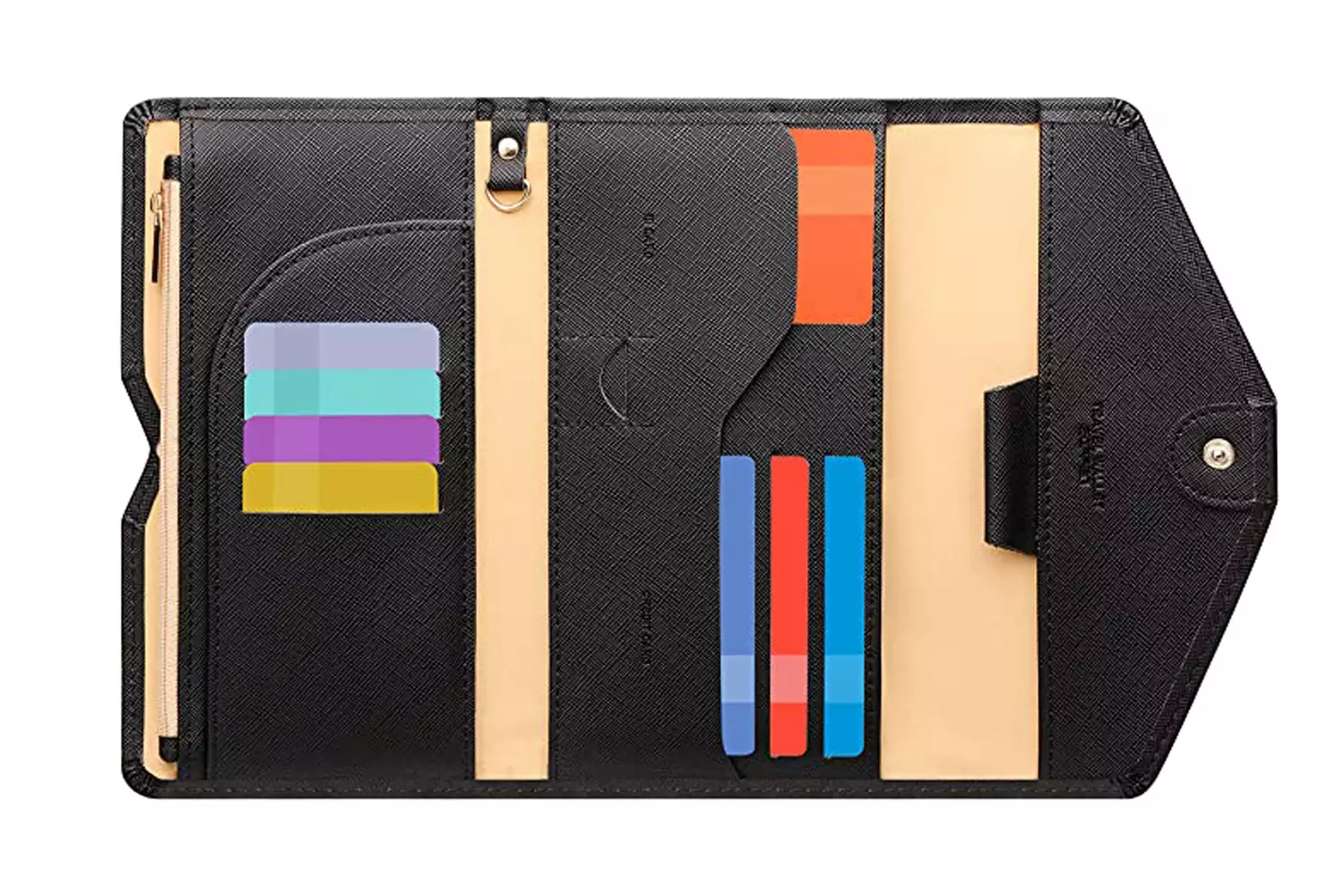
Beyond overseas requirements, domestic travelers in the U.S. need to prepare for the Real ID enforcement beginning in May 2025. This change means your standard license might not get you through the airport security lane. The most efficient way to manage these requirements is to use a high-quality passport holder that keeps your ID, visas, and any necessary health certificates in one place. Using a dedicated organizer prevents the frantic search through a backpack that often triggers additional scrutiny from airport security staff.
2. Dressing for a Fashion Show: Why Your Outfit Triggers Alarms
As a travel critic, I understand the desire to look polished upon arrival, but the security line is a place for pragmatism. The most frequent cause of physical delays is metal. Hidden metal in high-heeled shoes, bulky jewelry, and even some underwired brassieres can trigger the walk-through metal detectors. When this happens, a standard ten-second walk becomes a five-minute secondary screening with a hand wand.
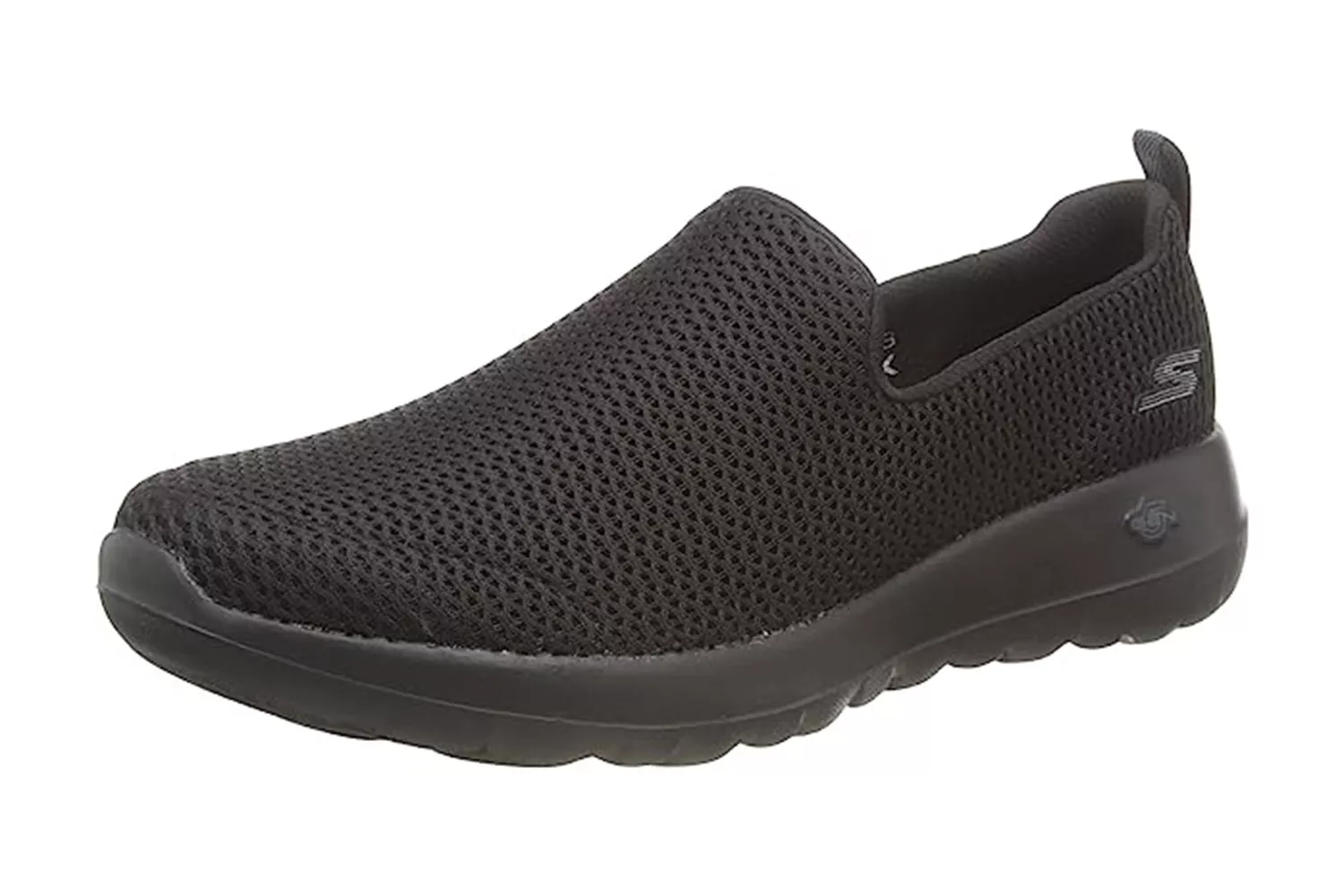
The solution is a strategic "security uniform." Opt for airport security shoes that are easy to slip on and off; this is not just for your convenience but for the hygiene of those behind you. Cabin crew members often suggest wearing socks to avoid walking barefoot on the terminal floor. If you are not enrolled in a program like TSA PreCheck, you will be required to remove your footwear, so make it a seamless process.
| Item Type | Wear/Pack This | Avoid That |
|---|---|---|
| Footwear | Slip-on sneakers or loafers | Lace-up boots or heels with metal |
| Accessories | Silicone or plastic watch bands | Heavy metal necklaces and belts |
| Outerwear | Lightweight cardigans or vests | Jackets with dozens of metal zippers |
| Jewelry | Simple studs or no jewelry | Large "statement" pieces |
3. The 3-1-1 Calculation: More Than Just Liquids
The 3-1-1 rule is the cornerstone of airport security essentials, yet many travelers still struggle with the definition of a liquid. In the eyes of security agencies, if you can pour it, pump it, squeeze it, spread it, or spray it, it is a liquid or gel. This includes items like peanut butter, jam, and even certain types of soft cheese.
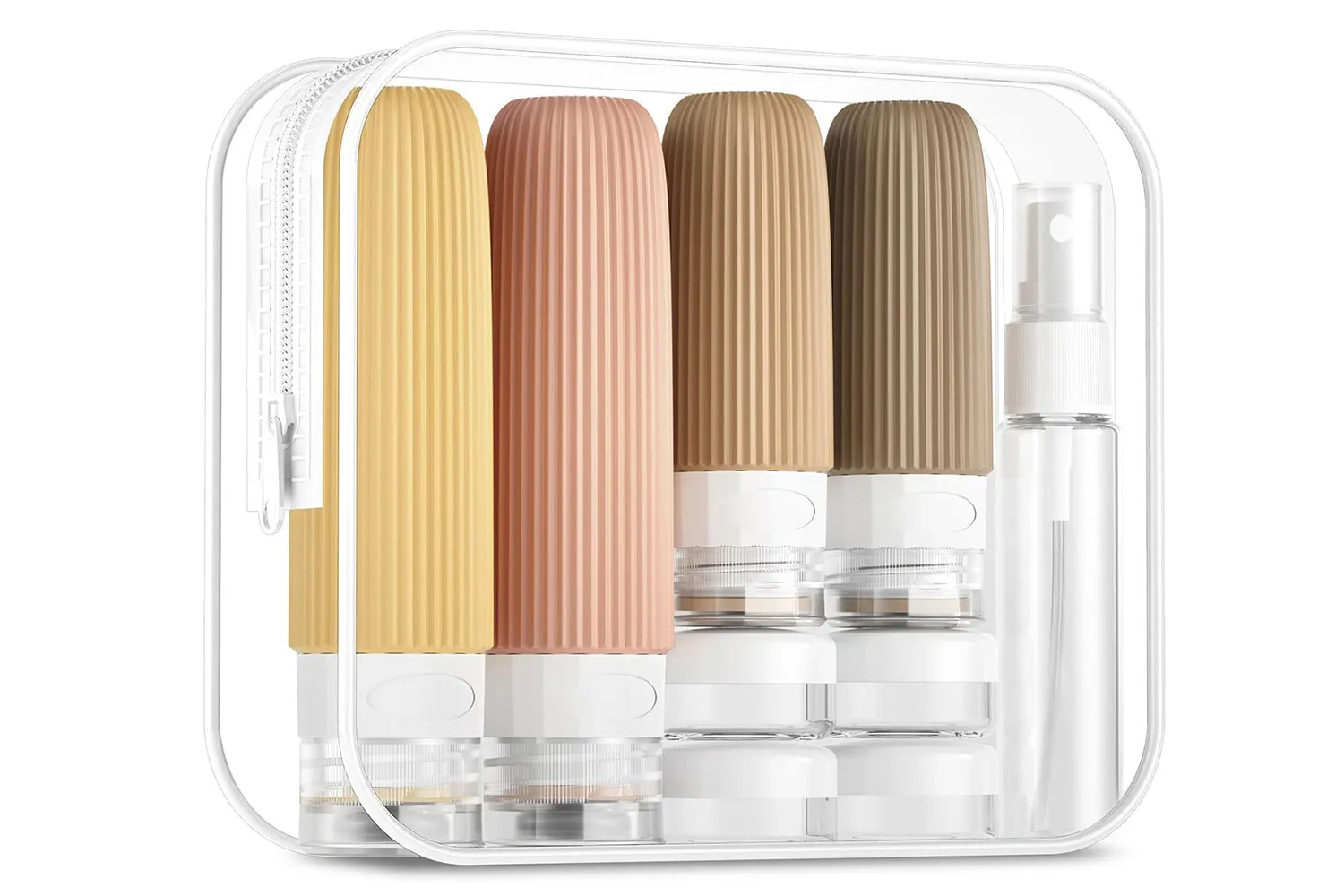
While many modern airports are transitioning to advanced CT scanners that theoretically allow liquids to remain in bags, these are not yet universal. Until the technology is global, following the traditional tsa liquid rules for international travel remains the safest bet for avoiding a bag search. Consolidate your items into clear quart-sized bags and place them in an easily accessible top pocket of your carry-on. This transparency allows the officer to verify your compliance at a glance, preventing the need for a manual bag dump.
4. Forgetting the 'Ag' in Customs: The Food Declaration Trap
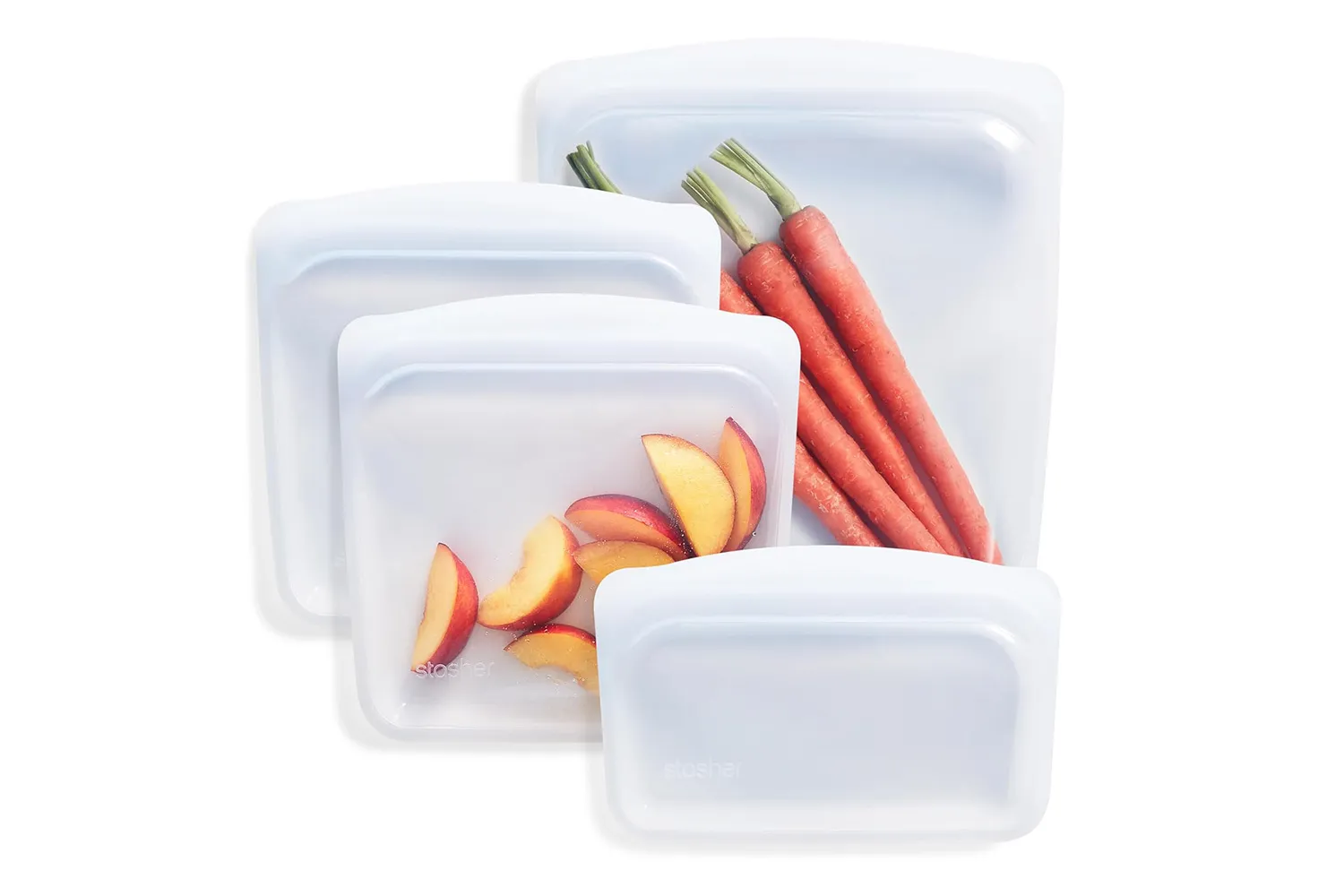
Customs officers often tell me that their biggest headache isn't the smuggler, but the well-meaning traveler carrying a piece of fruit from their hotel breakfast. In Fiscal Year 2021, U.S. Customs and Border Protection (CBP) issued 7,190 civil penalties and violations to travelers specifically for failing to declare prohibited agricultural items. This isn't just about bureaucracy; it’s about preventing invasive pests and diseases from devastating local ecosystems.
The most critical thing to understand about what to declare at customs returning to us is that declaring an item rarely leads to a fine, even if the item is prohibited. The officer will simply take the item and dispose of it. However, failing to declare an orange or a piece of cured meat hidden in your bag is a violation of federal law. CBP agents issued 73,917 emergency action notifications in a single fiscal year for restricted or prohibited products, a staggering number that highlights just how common bringing food through customs mistakes really are.
Always declare these items:
- Fresh fruits and vegetables
- Meats (dried, cured, or raw)
- Seeds and plants
- Biological materials
- Soil or items contaminated with soil (like muddy hiking boots)
5. Dead Devices and Digital Friction: The Power Bank Mistake
Modern airport security screening involves more than just looking for prohibited items; it involves verifying that your technology is what it claims to be. In many international hubs, security officers may ask you to power on your laptop, tablet, or smartphone. If your battery is dead and the device won't turn on, it may be confiscated, or you may be denied boarding because a non-functional device could technically hide hazardous components.
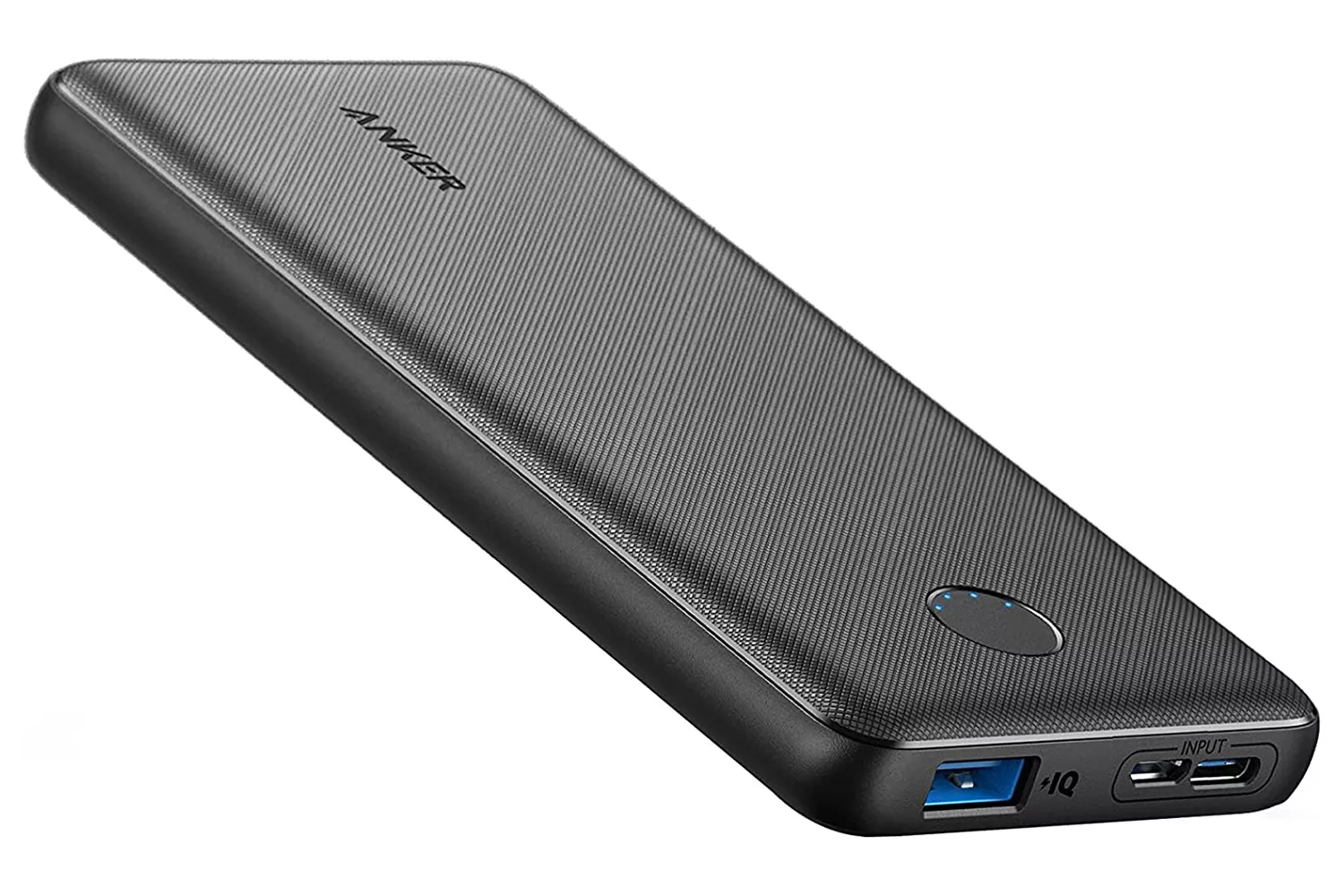
Rules for taking power banks on planes are equally strict. Due to lithium battery safety regulations, all portable chargers and spare batteries must be carried in your cabin luggage. If they are placed in checked bags, the risk of a "thermal runaway" (fire) is too high for the cargo hold. Always ensure your devices have a minimum charge before reaching the terminal, and keep your power banks accessible for inspection. This attention to detail is a fundamental part of managing airport security essentials.
6. The Vague Paperwork Pitfall: Inconsistent Documentation
When you fill out your customs declaration form—whether on paper or at a Global Entry kiosk—precision is your best friend. Official customs data indicates that paperwork inconsistencies—such as vague product descriptions like 'merchandise' or 'parts'—and values that do not align with the goods are among the most common reasons for shipment holds and entry delays.
If you have purchased duty-free purchases or gifts abroad, list them specifically. Instead of writing "souvenirs," write "ceramic mugs" or "wool sweater." If an officer sees a vague description, they are statistically more likely to trigger a secondary screening to verify the contents. Keeping a digital or physical folder within your passport holder for all your receipts makes this process much faster. Consistency between what you say and what your documentation shows is the fastest way through the hall.
7. Overlooking Medical and Family Exemptions
There is a common misconception that the 3-1-1 rule is absolute. In reality, TSA and international regulators allow for significant exemptions regarding medical necessities and infant nutrition. Formula, breast milk, and baby food are allowed in quantities greater than 100ml. The mistake many parents make is trying to hide these items in the bottom of a diaper bag, fearing they are breaking the rules.
Instead, you should proactively inform the officer that you have these items. They will likely undergo a separate, non-invasive screening process. Similarly, liquid medications are exempt but should be clearly labeled. Utilizing programs like "TSA Cares" can provide additional support for travelers with disabilities or medical conditions, ensuring that your airport security screening experiences are respectful and efficient rather than stressful.
Exemption Checklist:
- Infant formula and breast milk (no limit)
- Prescription liquid medications
- Gels or frozen packs needed to cool medical items
- Distilled water for CPAP machines
8. Waiting in the Standard Line: Ignoring Expedited Programs
The most effective strategy for how to speed up airport security screening is to remove yourself from the standard queue entirely. Programs like TSA PreCheck, Global Entry, and Clear are designed for low-risk travelers who have undergone a background check. In these lanes, you generally don't have to remove your shoes, belts, or light jackets, and your electronics stay inside your bag.
Global Entry is particularly valuable for those returning from international trips, as it bypasses the traditional line to speak with CBP agents. These programs pay for themselves in time saved and reduced stress. As a critic who spends hundreds of hours in terminals each year, I consider these memberships to be the single most important investment a frequent flyer can make. If you find yourself frequently frustrated by the security process, perhaps the mistake isn't how you pack, but which line you choose to stand in.
FAQ
What are the new security rules at airports?
The most significant upcoming change is the Real ID requirement in the United States, effective May 2025, which mandates a specific type of identification for domestic travel. Additionally, many airports are installing 3D CT scanners, which may eventually eliminate the need to remove liquids or laptops from bags, though current 3-1-1 rules should still be followed as the technology is rolled out.
What toiletries are not allowed on a plane?
Any liquid, gel, or aerosol in a container larger than 100 milliliters (3.4 ounces) is generally prohibited in carry-on bags. This includes common items like spray deodorants, hair gels, toothpaste, and even liquid-filled "snow globe" souvenirs. Solid toiletries like bar soap or stick deodorant are not subject to these volume restrictions.
Can I take homemade sandwiches on a plane?
Generally, yes, you can bring homemade sandwiches through security as long as they are wrapped. However, if your sandwich contains a large amount of a liquid-like substance—such as a thick layer of honey or a very mustard-heavy filling—it could be flagged. Note that if you are flying internationally, sandwiches containing meat or fresh produce must be consumed on the plane or declared upon arrival to avoid agricultural fines.
Why is peanut butter not allowed on planes?
Peanut butter is classified as a "liquid or gel" because it is a spreadable substance that takes the shape of its container. Because it has high density and can potentially hide other items on an X-ray, any container of peanut butter larger than 3.4 ounces must be packed in checked luggage.
Why avoid a black suitcase?
While not a security rule, avoiding a black suitcase is a practical tip to prevent delays at baggage claim. Because a vast majority of luggage is black, it is the most likely color to be accidentally taken by another passenger. If a customs officer sees you struggling to identify your bag or if there is confusion over ownership, it can lead to additional questioning during the entry process.