Quick Facts
- 2026 Top Ranking: Voted the #1 Hidden Gem globally with a 92.96 experience density score.
- Heritage Fee: 120,000 VND ($5 USD) provides entry to 5 heritage sites within the Old Town.
- Best Timing: The dry season from February to April offers the most pleasant weather for exploration.
- Top Dish: Cao Lau, a noodle dish uniquely made with local well water and ash from nearby islands.
- 2026 Festival: The iconic Lantern Festival coincides with the Tet Holiday from February 12-14.
- Travel Ease: Located just 30km from Da Nang, making it highly accessible for international arrivals.
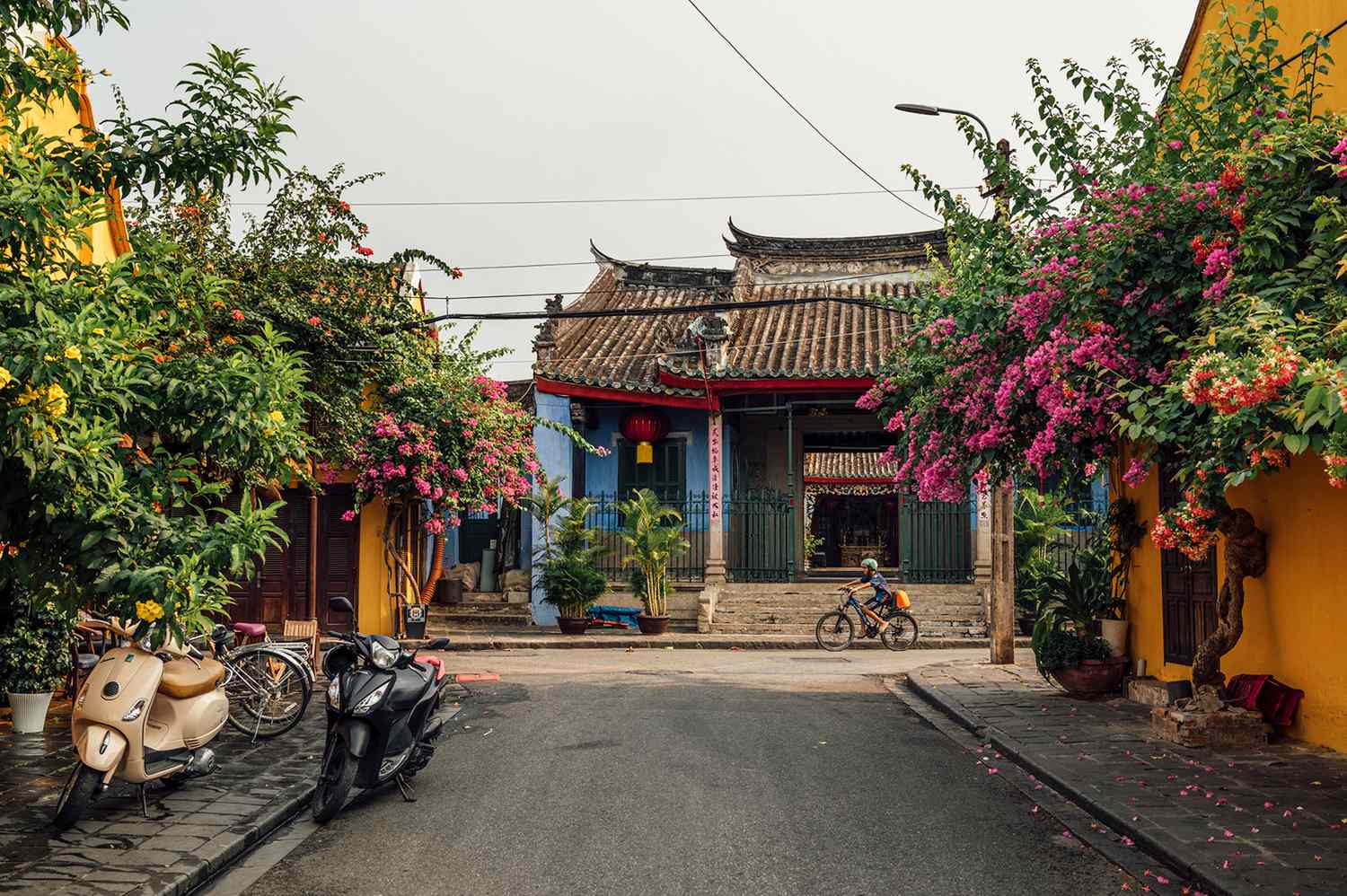
Hoi An is a UNESCO World Heritage site famous for its remarkably preserved Ancient Town, which blends Japanese, Chinese, and French colonial architecture into a singular, amber-hued riverside aesthetic. For those planning a hoi an travel adventure, this destination is internationally renowned for its lantern-lit streets, the iconic 16th-century Japanese Covered Bridge, and a world-class bespoke tailoring industry that can turn around custom suits in less than 24 hours.
Why Hoi An is the Ultimate Hidden Gem in 2026
To understand the sudden surge in hoi an travel, one must look at the concept of experience density. While larger metropolises offer sprawling attractions, Hoi An compresses centuries of history, gastronomy, and craft into a walkable, car-free center. This unique quality led to the city being ranked 6th among the world's top 25 cities and 5th in Asia in recent reader surveys, receiving an impressive score of 91.00.
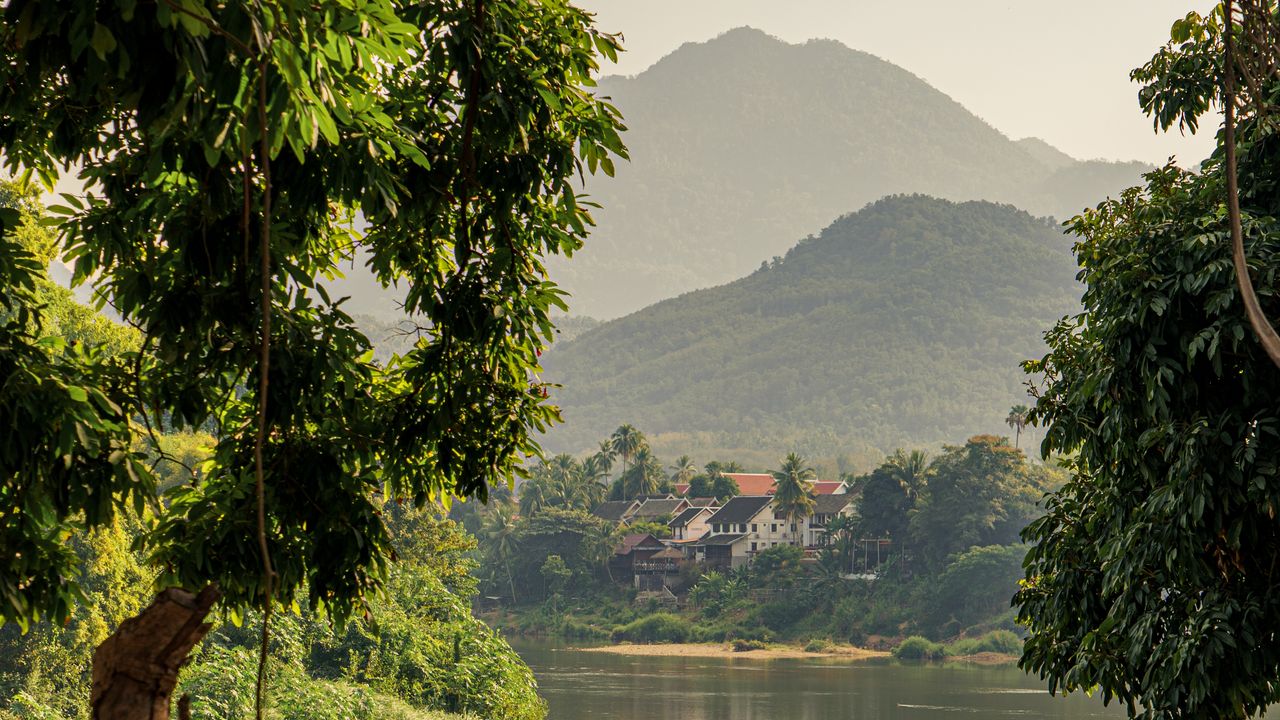
What is Hoi An famous for beyond its photogenic yellow walls? It is a living museum. In 2024, the town was honored as Asia's Leading Cultural City Destination for the fifth time. This prestige is not merely about old buildings; it is about the atmosphere created when the sun sets and the Thu Bon River begins to reflect the glow of thousands of silk lanterns. The city managed to welcome 4.4 million visitors in 2024, yet it retains a soulful character if you know where to look.
Early morning in the Ancient Town offers a different perspective—what locals call the ghost town hour. Before the shops open at 8:00 AM, the French colonial architecture and Chinese assembly halls stand in quiet dignity. It is during these moments, before the crowds arrive, that the town’s multicultural trading history feels most tangible.
Navigating the Ancient Town: Tickets & Landmarks
The logistics of heritage can sometimes be confusing, but the hoi an travel guide approach is simple: buy the ticket. The 120,000 VND entry fee is a contribution toward the preservation of this UNESCO World Heritage Site. This ticket grants you access to five specific sites, including various Chinese assembly halls, old merchant houses, and the traditional theater.
The crown jewel of these sites is the Japanese Covered Bridge, also known as Chua Cau. This 16th-century structure is so vital to Vietnamese identity that it is featured on the 20,000 VND banknote. Originally built to link the Japanese community with the Chinese quarters across the canal, it features a small temple on one side and intricate carvings of monkeys and dogs at either end.
Insider Crowd Hack: To capture the perfect photo of the Japanese Covered Bridge without the throngs of tour groups, aim for a visit after 9:30 PM. The day-trippers from Da Nang have usually departed by then, and the bridge is beautifully illuminated against the night sky.
As you wander, pay close attention to the Chinese assembly halls, such as the Phuc Kien (Fujian) Assembly Hall. These are not just historical relics; they remain active places of worship decorated with ornate dragons and sea goddesses, reflecting the spiritual life of the merchants who once dominated this port.
Immersive Experiences: From Silk to Coconut Groves
Hoi An transitions seamlessly from a historical center to a hub of active exploration. One of the most unique things to do in hoi an is to head to the Cam Thanh Coconut Village. Here, travelers can board a traditional basket boat—a circular bamboo vessel—and navigate through the dense nipa palm waterways. It is a tactile way to experience the local river culture that has sustained this region for generations.
For many, the primary draw is the chance to refresh their wardrobe. Knowing how to get custom clothes in hoi an is an essential skill for any visitor. The town is home to hundreds of tailoring ateliers where bespoke tailoring is elevated to an art form. Unlike the rushed experiences found elsewhere, many shops here maintain high standards of craftsmanship using locally sourced silk.
Steps for the Perfect Tailoring Experience:
- Research Styles: Bring photos of the designs you want; the tailors are exceptionally skilled at replicating high-fashion looks.
- Fabric Selection: Spend time feeling the different weights of silk and wool.
- The First Fitting: Most shops require at least two fittings. Do not rush this process; the second fitting is where the magic happens and the garment is perfected to your silhouette.
If you need a break from the bustle, An Bang Beach is located just 5km from the center. Recently recognized in several global top 50 beach lists, it offers a laid-back alternative to the more commercialized stretches of sand in Da Nang. Here, you can enjoy fresh seafood under a thatched umbrella while watching the local fishermen bring in their catch.
A Culinary Journey: Best Food to Eat in Hoi An
The food of Hoi An is a direct reflection of its history as a melting pot. The best food to eat in hoi an vietnam often contains ingredients or techniques brought by traders from afar. Take, for instance, Cao Lau noodles. These thick, chewy noodles are said to be inspired by Japanese udon, topped with Chinese-style barbecued pork (char siu), and served with fresh Vietnamese herbs. Legend has it that the authentic flavor can only be achieved using water from the ancient Ba Le Well and ash from trees on the nearby Cham Islands.
Another local delicacy is White Rose dumplings (banh bao banh vac). These delicate translucent parcels filled with shrimp or pork are shaped to look like roses. Interestingly, almost all White Rose dumplings served in the city are produced by a single family that has guarded the secret recipe for generations.
Budgeting for your culinary journey is surprisingly easy. An average 3-day food cost for a couple, including street food snacks and mid-range sit-down dinners, typically totals around 2.2 million VND ($85 USD). This allows you to sample everything from the famous Banh Mi Phuong—once championed by Anthony Bourdain—to the organic greens at Tra Que Vegetable Village, where you can participate in a hands-on organic farming experience before eating the harvest.
Logistics & 7-Day Itinerary: Da Nang to Hoi An
Most visitors arrive via Da Nang, the nearest major city with an international airport. The travel from da nang to hoi an is a straightforward journey along the coast. The hoi an to da nang airport travel time is usually 45 to 60 minutes, depending on traffic.
| Transport Option | Cost (Approx. VND) | Duration | Best For |
|---|---|---|---|
| Private Car / Grab | 350,000 - 500,000 | 45 mins | Groups and families |
| Shuttle Bus | 120,000 - 150,000 | 60 mins | Solo travelers |
| Local Green Bus | 30,000 | 90 mins | Budget-conscious explorers |
To fully appreciate the region, a hoi an travel itinerary 7 days is the ideal duration. This allows for a balance of heritage, relaxation, and regional exploration.
- Day 1-2: Heritage Heart: Explore the Japanese Covered Bridge, the assembly halls, and the Nguyen Hoang Night Market.
- Day 3: My Son Sanctuary: A morning trip to the Champa ruins, a UNESCO site located about an hour away.
- Day 4: Rural Life: A bicycle tour to Tra Que Vegetable Village and a basket boat ride in Cam Thanh.
- Day 5: Island Escape: A day trip to the Cham Islands for snorkeling and beach time.
- Day 6: Coastal Relaxation: Spend the day at An Bang Beach or visit the Marble Mountains near Da Nang.
- Day 7: Last Minute Craft: Final suit fittings and souvenir shopping before heading back to the airport.
Knowing how much does a hoi an trip cost depends largely on your accommodation style. While luxury riverside resorts can exceed $200 USD per night, charming boutique homestays are readily available for $30 to $50 USD, offering exceptional value for a world-class destination.
FAQ
Is Hoi An still worth visiting?
Absolutely. While popularity has increased, the town has implemented measures to expand tourism beyond the Ancient Town to protect its heritage. The cultural depth, combined with the quality of food and proximity to the beach, ensures it remains one of the most well-rounded destinations in Southeast Asia.
How many days in Hoi An is enough?
While you can see the main historical sites in two days, four to five days is recommended to include a beach day and a visit to nearby attractions like the My Son Sanctuary. A full week allows for a much more relaxed pace and deep-dive experiences like cooking classes or tailor fittings.
Is it safe to go to Hoi An right now?
Hoi An is considered one of the safest cities in Vietnam for international travelers. Petty crime is rare, and the local community is generally very welcoming. As with any tourist hub, standard precautions with personal belongings in crowded markets are advised.
When to avoid Hoi An?
The rainy season from October to December can be challenging, as the Thu Bon River occasionally floods the lower streets of the Ancient Town. While these floods are a local way of life and provide unique photography opportunities, they can disrupt travel plans and close some shops.
What not to do as an American in Vietnam?
Avoid wearing overly revealing clothing when visiting temples or assembly halls; covering shoulders and knees is a sign of respect. Additionally, while the "thumbs up" gesture is common in the West, in some rural parts of Vietnam, it can be misinterpreted, so a polite nod or a slight bow is often a more appropriate way to show appreciation.
Hoi An stands at a unique crossroads in 2026. It is no longer a secret, yet it hasn't lost its soul to mass tourism. The best time to travel to hoi an vietnam is right now, while the balance between ancient charm and modern convenience is still perfectly struck. Whether you are there for the heritage, the silk, or the simple pleasure of a bowl of Cao Lau by the river, this golden town remains the world's most rewarding hidden gem.