Quick Facts
- General Rule: Tipping flight attendants is generally not expected and is often restricted by specific airline policy guidelines.
- The Exception: Frontier Airlines is currently the only major US airline with a digital tipping prompt integrated into its payment systems.
- Cash Policy: Major legacy carriers like United and Southwest have strict manual clauses that forbid crew from accepting cash tips.
- Top Alternative: Digital gift cards or physical cards for Starbucks and Amazon are the most widely accepted forms of personal appreciation.
- Safety Restriction: Any food gifted to the crew must be in sealed manufacturer packaging; homemade items are typically discarded for security reasons.
- Professional Status: Most crew members and unions view themselves as safety professionals rather than hospitality waitstaff.
- Effective Recognition: Submitting a positive post-flight survey or an official commendation letter is the most impactful way to support a crew member’s career.
Tipping flight attendants is generally not expected and often restricted by airline policy. While cabin crew prioritize safety, many passengers seek ways to show appreciation through gifts or surveys, though legacy carriers like Delta and American strictly discourage cash gratuities in favor of formal commendations.
As a travel critic who has spent a significant portion of my life at 35,000 feet, I have observed a shifting landscape in how passengers interact with cabin crew. In the post-pandemic era, there has been a noticeable surge in the desire to show gratitude for a job that is increasingly demanding. However, the question of whether one should offer a cash tip is not as straightforward as it is in a restaurant or a hotel. The aviation industry operates under a different set of professional standards where safety protocols take precedence over traditional hospitality service. Understanding the nuances of aviation industry norms is essential for any traveler who wishes to be respectful without creating an awkward situation for the crew.
Airline Policy Breakdown: Who Allows Tips?
When it comes to the protocol of tipping flight attendants, the industry is divided into two distinct camps: the legacy carriers and the low-cost model. Most major airlines in the United States maintain a firm stance against cash gratuities. For instance, the frontier airlines tipping policy stands as a unique outlier in the domestic market. Frontier provides passengers with digital prompts to add a gratuity of 15%, 20%, or 25% during the snack and beverage purchase process. This practice has sparked considerable debate within the industry, as it shifts the compensation model closer to the service industry standard seen in land-based dining.
In contrast, the policies at legacy carriers are designed to maintain a professional distance. If you are wondering about tipping flight attendants american airlines, the general rule is that it is neither expected nor encouraged. Similarly, if you ask can delta flight attendants accept gifts, the answer is yes for small items, but cash is a significant gray area that often leads to a polite refusal. Southwest and United have even stricter manual clauses. At Southwest, the "insisted tip" protocol historically suggested that if a passenger truly insists, the crew member should accept it to avoid a scene but then donate that money to a corporate charity.
| Airline | Cash Tipping Policy | Gift Acceptance | Digital Prompt? |
|---|---|---|---|
| Frontier Airlines | Encouraged | Allowed | Yes (15%, 20%, 25%) |
| American Airlines | Discouraged | Allowed (Non-cash) | No |
| Delta Air Lines | Discouraged | Allowed (Non-cash) | No |
| United Airlines | Prohibited | Small items only | No |
| Southwest Airlines | Prohibited/Donate | Allowed | No |
When navigating these rules, it is important to remember that most crew members are trained to decline cash. Attempting to force a tip can put an employee in a difficult position regarding their employment contract. Therefore, the question of can flight attendants accept cash tips is almost always answered with a "no" at the most prominent carriers.
The Premium Cabin Dilemma: Tipping in First Class
The urge to tip often intensifies when traveling in business or first class. In these cabins, the level of service is markedly higher, often involving multi-course meals, high-end wine pairings, and personalized attention. This often triggers what I call "restaurant guilt," where passengers feel they should tip for the high-end hospitality they are receiving. However, should you tip flight attendants in first class? The short answer remains no.
Premium cabin service is contractually included in your ticket fare. The crew members working these sections are not looking for extra cash; they are fulfilling the service standards set by the airline for its most valued customers. Furthermore, if you are wondering do you tip flight attendants for drinks in a premium cabin where alcohol is complimentary, the same rule applies. The hospitality provided is a professional duty, and the crew's compensation is already structured to account for the higher level of service required in the front of the aircraft.
Tipping flight attendants on long haul flights follows the same logic. While the crew may be looking after you for 12 hours or more, they are governed by the same strict non-gratuity policies. Offering a cash tip in a lie-flat pod can feel more like a bribe than a thank-you, and it rarely results in the "special treatment" or seat upgrades that some passengers might hope for. True appreciation in these cabins is better expressed through verbal recognition and a polite demeanor throughout the flight.
Safety Professionals vs. Hospitality Staff
To understand why the industry resists tipping, one must look at the fundamental role of the cabin crew. The Association of Flight Attendants-CWA, representing over 50,000 flight attendants at 20 airlines, officially opposes tipping on the grounds that these employees are certified safety professionals. Their primary mission is not to serve ginger ale; it is to evacuate an aircraft in 90 seconds, manage on-board medical emergencies, and ensure the security of the flight deck.
The union's stance is that a flight attendant’s compensation should not be variable or dependent on the whims of passengers. Relying on tips could potentially compromise safety incentives if crew members were to prioritize "big tippers" over general safety protocols. From a financial perspective, flight attendants in the United States earned a median annual salary of $68,370 in 2023, a figure that reflects their status as skilled technical workers rather than minimum-wage service staff.
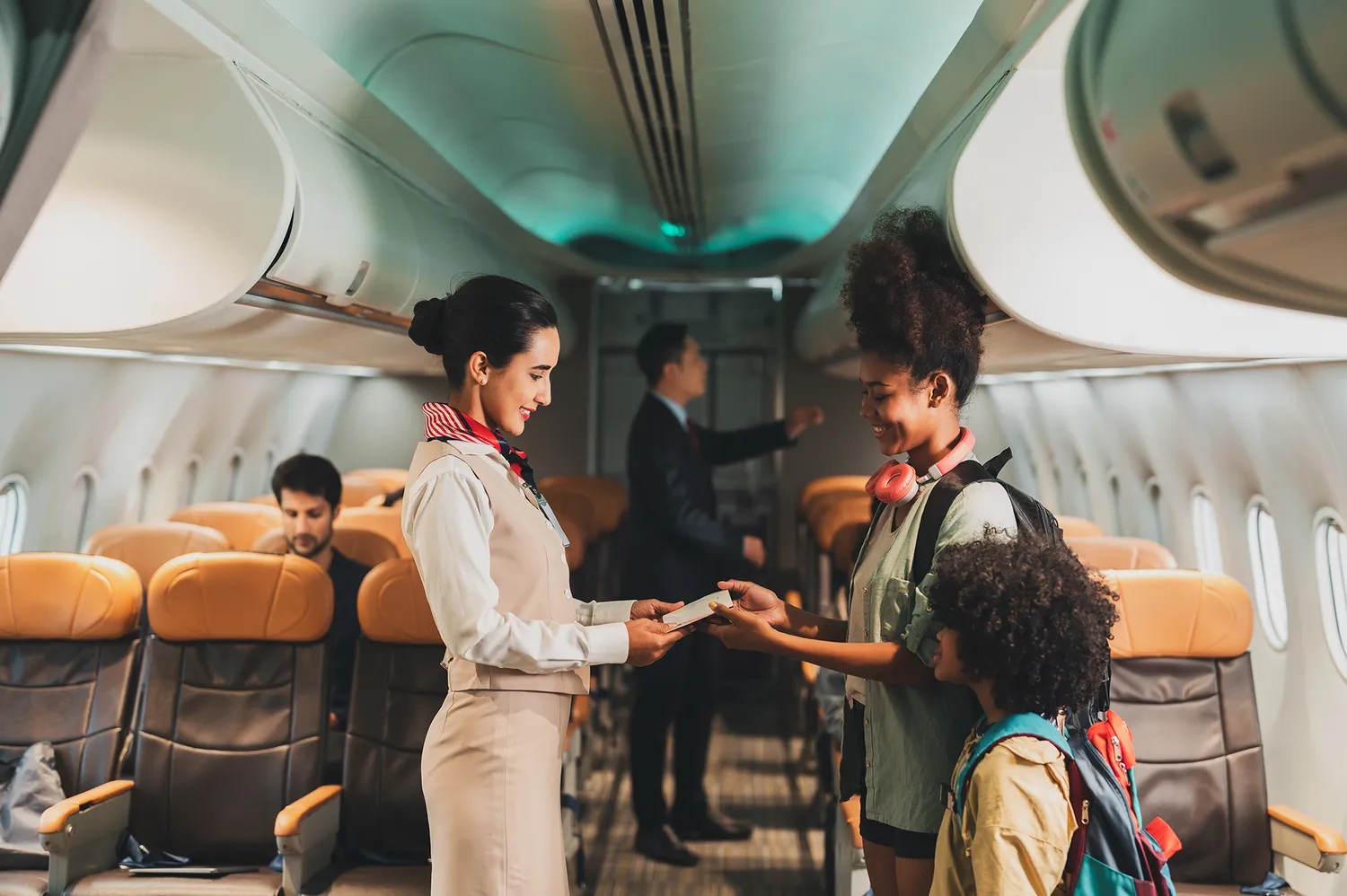
This professional status is reinforced by the rigorous training and certification required by the Federal Aviation Administration (FAA). When you see a crew member performing a safety check or sitting on their hands during takeoff, they are following specific safety protocols designed to save lives. Introducing a tipping culture into this environment is seen by many in the industry as a step backward for the dignity and professional standing of the vocation.
Better Ways to Show Appreciation
If you feel compelled to show your gratitude, there are several policy-compliant ways to do so that are often more valuable to a crew member than a twenty-dollar bill. The most effective method is the commendation letter. When you mention a crew member by name in an official airline feedback form or a post-flight survey, that recognition goes directly into their personnel file. This can lead to internal awards, better scheduling opportunities, and even promotions.
Another popular option is tipping flight attendants with gift cards. Small-denomination cards for coffee shops or major retailers are generally accepted because they are seen as a "gift" rather than "income." This allows the crew member to treat themselves to a meal or a coffee during a long layover without violating strict cash policies.
- Positive Surveys: Filling out the post-flight email and specifically naming your server or the lead purser.
- Gift Cards: $5 or $10 cards for Starbucks, Amazon, or Target.
- Sealed Snacks: High-quality chocolates or snacks, provided they have sealed manufacturer packaging.
- Written Notes: A simple "thank you" card can go a long way in brightening a crew member's day.
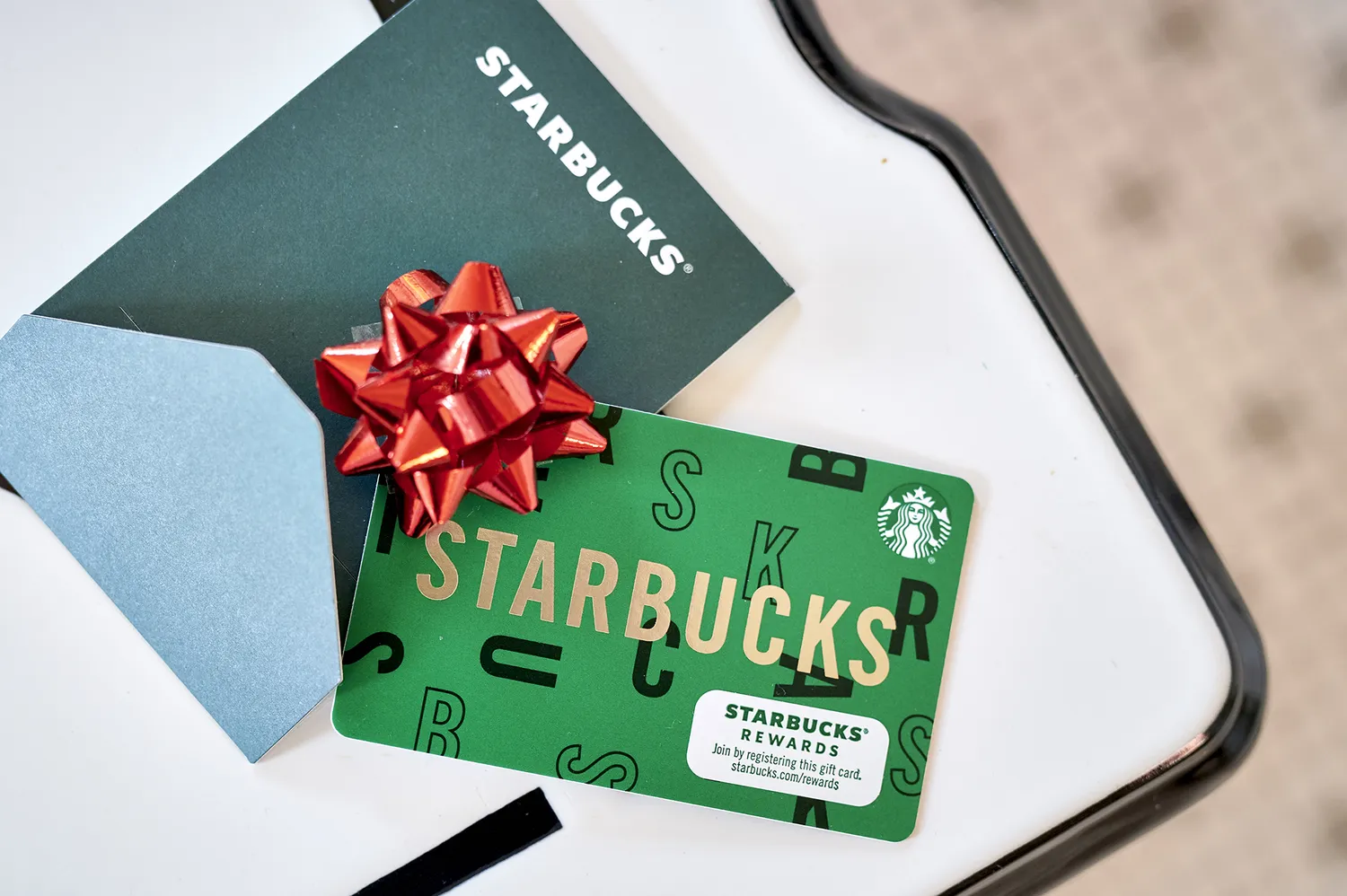
When considering can flight attendants accept gifts of food, remember the safety protocols. Homemade cookies or treats will almost certainly be thrown away because the crew cannot verify the ingredients or the environment in which they were prepared. Stick to store-bought, unopened items if you wish to share a treat. Ultimately, the best gift you can give a flight attendant is being a low-maintenance, polite passenger who follows flight crew appreciation norms by listening to safety briefings and staying patient during delays.
FAQ
What is the 35-7 rule for flight attendants?
The 35-7 rule refers to a common pay structure in the aviation industry where flight attendants are paid their full hourly rate only when the aircraft door is closed (block-to-block). Specifically, it highlights that they may only receive a fraction of their pay, such as $7 per hour for ground duties like boarding, compared to their $35 per hour flight rate. This is why boarding is often the most stressful time for crew—they are essentially working for a significantly reduced wage while performing some of their most difficult tasks.
What's the average salary of a flight attendant?
According to the latest data, the median annual salary for flight attendants in the United States was $68,370 in 2023. However, this can vary widely based on seniority, the specific airline, and the number of hours flown per month. Entry-level positions may start significantly lower, while senior pursers at major international carriers can earn well above the median.
Why do flight attendants sit on their hands during takeoff and landing?
This is a safety protocol known as the braced position. By sitting on their hands, palms up, flight attendants keep their arms tucked in and reduce the risk of injury to their limbs in the event of sudden turbulence or an emergency landing. During this time, they are also performing a silent review, mentally rehearsing emergency evacuation procedures and the operation of emergency equipment.
Is there a dress code when you fly first class?
While most airlines no longer enforce a formal dress code for paying passengers in first class, the general rule of thumb is "smart casual." This typically means avoiding torn clothing, offensive slogans, or excessively revealing attire. However, if you are flying on a non-revenue "buddy pass" or as an airline employee's guest, the dress code is often much stricter and may require professional attire such as slacks and a collared shirt.