Quick Facts
- Market Benchmark: As of April 2026, the jet fuel price per gallon has reached approximately $4.02, marking a historic peak for the industry.
- Price Surge: Global energy markets have seen a jet fuel price increase of more than 60 percent since the beginning of 2026, primarily due to regional instability.
- United Airlines: The carrier has confirmed it will cut approximately 5% of its planned flight capacity for the second and third quarters of 2026.
- SAS Performance: Scandinavian Airlines (SAS) is canceling roughly 1,000 flights in April alone, representing a 5% reduction in its total monthly schedule.
- Financial Exposure: Analysts at United Airlines project that these sustained jet fuel prices could lead to an additional $11 billion in annual operating expenses.
- Consumer Impact: Travelers are facing fuel surcharges of up to $150 per reservation on certain international routes as airlines attempt to protect profit margins.
United Airlines, SAS, and Air New Zealand are reducing flight schedules in response to a significant surge in jet fuel prices driven by the conflict in Iran. This geopolitical instability has disrupted oil supply through the Strait of Hormuz, causing fuel costs to increase by over 60 percent since early 2026. By cutting capacity on off-peak days and high-frequency routes, airlines aim to mitigate operating losses and protect profit margins amid rising energy costs.
The Geopolitical Surge: Why Jet Fuel Prices are Rising
The global aviation industry is currently grappling with a volatility level not seen in years. At the heart of the crisis is the escalating conflict in the Middle East, which has placed immense pressure on the energy supply chain. The Strait of Hormuz, a critical maritime artery through which a significant portion of the world's petroleum passes, has become a focal point of geopolitical instability. Any disruption in this narrow passage sends shockwaves through global crude oil benchmarks, but the impact on refined products like kerosene is often even more pronounced.
While the price of crude oil sets the baseline, the airline industry is more specifically affected by the crack spread—the difference between the price of crude and the cost of the refined product. In April 2026, refining margins have reached staggering heights, with some reports indicating spreads of $144 per barrel. This is largely because the conflict has not only threatened the supply of raw oil but has also strained global refining capacity.
As of April 2026, jet fuel prices today have reached levels that fundamentally alter the profitability equations for major carriers. When the jet fuel price per gallon hovers around $4.02, the traditional budget model for a long-haul flight becomes nearly impossible to maintain without adjustments. This is why jet fuel prices are surging right now: it is a combination of restricted supply, increased insurance costs for tankers in the Middle East, and a massive spike in refining premiums.
For the traveler, understanding the why is just as important as the what. The current jet fuel price increase is not a temporary seasonal fluctuation; it is a structural reaction to a global security crisis. When energy supply becomes a weapon or a casualty of war, the cost of moving people across the globe inevitably rises.
Airline Responses: United and SAS Slash Capacity
Faced with these economic headwinds, major carriers have moved from a stance of cautious observation to aggressive capacity management. United Airlines has been among the most vocal in its response. CEO Scott Kirby has emphasized the need for "capacity discipline," a polite industry term for cutting flights that are no longer profitable under the current jet fuel prices environment.
United has officially announced a flight capacity reduction of 5% for the second and third quarters of 2026. This move is designed to trim the fat from their schedule, specifically targeting off-peak days like Tuesdays and Wednesdays when load factors are lower. The impact will be felt most significantly at major hubs, particularly Chicago O'Hare (ORD), where high-frequency domestic routes are being consolidated. For instance, a route that previously saw 10 daily flights may be reduced to 8 to ensure that every aircraft in the air is flying at near-maximum capacity.
Scandinavian Airlines (SAS) is following a similar playbook. The carrier has announced SAS flight cancellations spring 2026 totaling approximately 1,000 flights in April alone. SAS executives have noted that the 60% increase in fuel costs since February has made many of their regional European routes unsustainable. By cutting 5% of their total schedule, they hope to stabilize their balance sheet.
Lufthansa has taken even more drastic measures, announcing cuts of up to 20,000 flights across its network through the summer season. The German flag carrier is particularly exposed to the rising costs of refined fuel in Europe. To manage these costs, many airlines are revisiting their fuel hedging strategies. However, hedging—a financial practice of buying fuel at a fixed price in advance—is only a partial shield. If an airline didn't hedge enough in late 2025, they are now forced to buy fuel at the current market rate, which is devastating to their profit outlook.

Traveler Impact: Higher Fares and Fewer Options
For the average passenger, the jet fuel price increase impact on airfare is direct and painful. We are seeing a two-pronged attack on consumer wallets: the rise of base fares and the re-introduction of aggressive fuel surcharges. In the domestic U.S. market, United and its competitors have already implemented several rounds of base fare hikes. On the international stage, the situation is even more transparent.
Cathay Pacific and several other Asian and European carriers have implemented fuel surcharges that can add nearly $150 to a single reservation. These fees are often listed separately from the fare, but the total cost is what matters to the consumer. Airfare inflation is currently outpacing general economic inflation, largely because fuel accounts for 25% to 30% of an airline's total operating expenses.
Beyond the cost, there is the issue of convenience. The United Airlines schedule reductions off-peak days mean that the flexibility travelers have enjoyed over the last few years is evaporating. If you are looking to fly on a Tuesday to save money, you might find that your preferred flight no longer exists, forcing you onto a more expensive Monday or Thursday departure. Red-eye flights and secondary market connections are also on the chopping block as airlines focus their limited fuel resources on high-yield, premium routes.
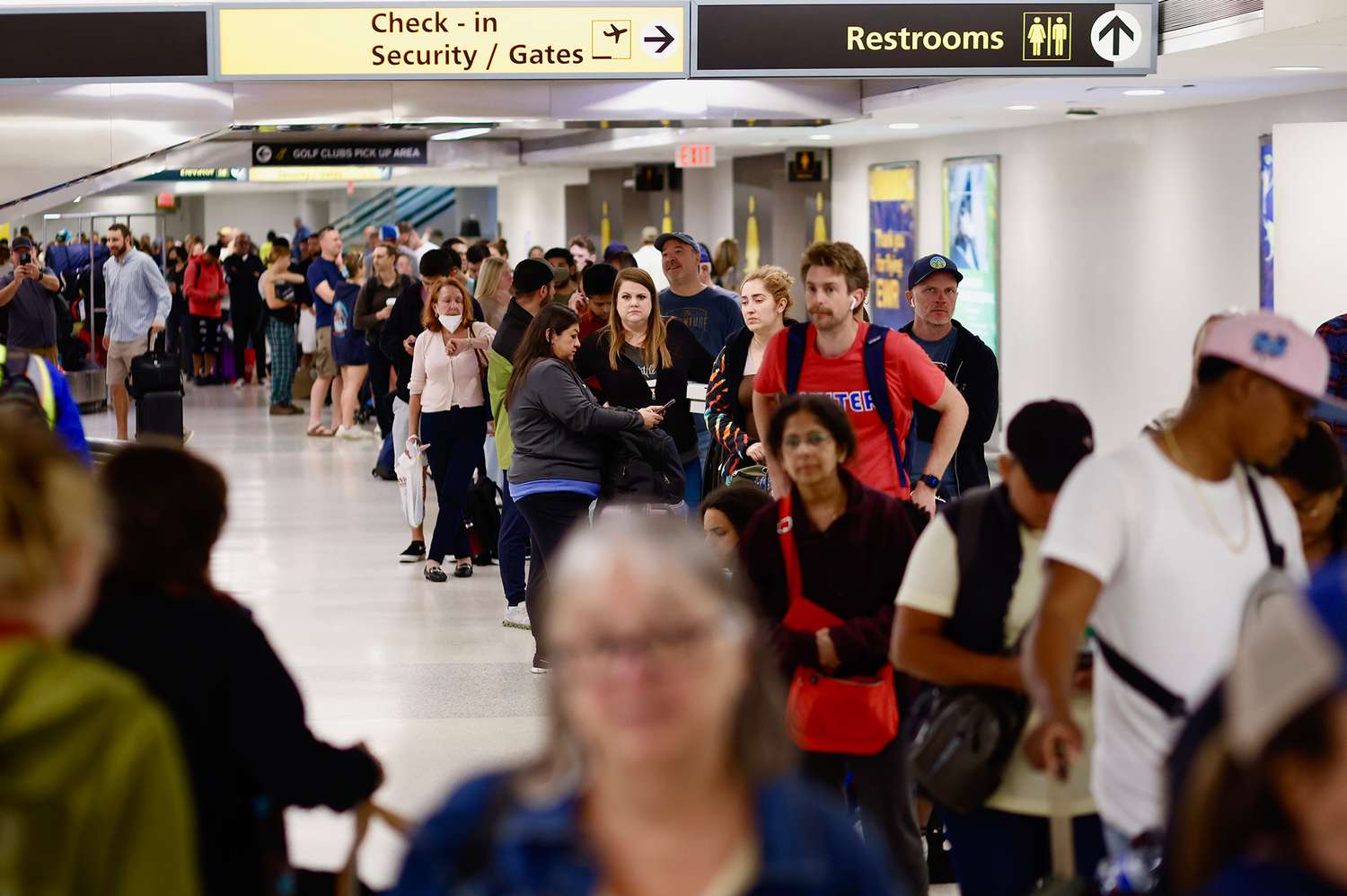
Passenger re-accommodation is becoming a daily occurrence at major airports. When a flight is canceled as part of these capacity cuts, passengers are often moved to later flights that are already nearly full. This creates a "domino effect" of overbooked cabins and reduced upgrade availability for frequent flyers.
Strategic Booking: How to Navigate Volatile Prices
In this environment of jet fuel prices volatility, the "wait and see" approach to booking travel is no longer viable. If you are planning a trip for the summer of 2026, the data suggests that booking as early as possible is the only way to lock in current rates before another round of price increases hits the market.
Here are a few professional strategies to consider:
- Avoid Off-Peak Cancellations: If you can, book flights on Mondays, Fridays, or Sundays. While these are typically more expensive, they are the "core" of the airline's schedule and are less likely to be cut than a Tuesday afternoon flight.
- Monitor Your Flight Status: With SAS and United making frequent adjustments, check your flight status weekly. Airlines are required to re-accommodate you or provide a refund if they make a significant change to your schedule, but you need to be proactive to get the best alternative seats.
- Understand Surcharges: When comparing prices, look at the total cost including all taxes and fees. Some carriers may have a lower base fare but a much higher fuel surcharge.
- Fly Direct When Possible: While connections used to be a great way to save money, the risk of a "missed connection" due to a canceled leg is higher now. A direct flight reduces the number of variables that can go wrong.
The era of cheap, abundant air travel is temporarily on hold as the industry recalibrates to a high-cost energy environment. While fuel hedging strategies are providing a small cushion for some legacy carriers, the low-cost carriers (LCCs) are feeling the burn the most. Without the financial reserves to absorb these costs, some budget airlines may be forced to raise prices even more aggressively than the major players.
FAQ
What is the current price of jet fuel?
The market rate for jet fuel has reached approximately $4.02 per gallon as of April 2026. This represents a significant surge from the levels seen at the start of the year, primarily due to supply chain disruptions in the Middle East.
How much is 1 gallon of jet fuel?
One gallon of jet fuel currently costs roughly $4.02 on the spot market. However, the price that airlines pay can vary based on their individual fuel hedging strategies and their proximity to major refining hubs.
Are jet fuel prices rising?
Yes, jet fuel prices are rising sharply. Since late February 2026, prices have increased by over 60 percent. This upward trend is expected to continue as long as geopolitical instability persists in the Strait of Hormuz.
Is jet fuel cheaper than regular gas?
Historically, jet fuel (which is similar to high-grade kerosene) has sometimes been cheaper to produce than highly refined automotive gasoline. However, due to current refining bottlenecks and the specific geopolitical risks in oil-producing regions, jet fuel prices today are often comparable to or higher than premium regular gas when including environmental taxes and logistics.