Quick Facts
- 2026 Visa Status: Visa-free entry for US citizens, making access easier than ever.
- Daily Budget: $20–$30 USD per person, which usually covers your yurt, breakfast, and dinner.
- Peak Seasons: April to June (Spring) and September to October (Autumn) are the sweet spots for mild temperatures.
- Connectivity: Pick up a local SIM for about $4 (25GB); however, expect a total digital detox at most camps.
- Transport: Best reached via private driver or shared taxi from Samarkand or Bukhara.
- Vibe: Remote, rustic, and deeply cultural.
Planning an uzbekistan yurt stay? As the country anticipates record visitors in 2026, sleeping under the stars in the Kyzylkum Desert remains the ultimate Silk Road adventure. An uzbekistan yurt stay typically involves sleeping in traditional felt-insulated tents in the Kyzylkum Desert, featuring communal dining, nomadic traditions like Dombra music, and basic shared facilities. Most travelers visit aidar yurt camp between Samarkand and Bukhara for an off-grid cultural immersion experience.
Getting There: Logistics for the 2026 Adventurer
I’ve always said that the best stories begin where the paved roads end. Uzbekistan is having a massive moment right now. The country reached a record of 11.7 million international visitors in 2025, a staggering 74.6% increase from its pre-pandemic peak. People are finally waking up to the magic of the Silk Road history, but most of them stay within the blue-tiled walls of the big three: Samarkand, Bukhara, and Khiva. To find the real soul of Central Asia, you have to push out into the steppe.
Getting to a yurt camp isn't like hailing an Uber in Manhattan. If you are wondering how to get to aydar lake yurt camp from samarkand, the journey takes about three to four hours. Most travelers hire a private driver or join a small group tour. While the high-speed Afrosiyob trains are great for hopping between cities, the desert requires four wheels and a bit of grit. I recommend stopping in the town of Nurata along the way to see the ancient Alexander the Great fortress ruins before the road turns into a dusty track leading toward the Kyzylkum Desert.
With the new visa-free entry for US citizens in 2026, the logistics have never been smoother. Still, I suggest booking your uzbekistan yurt at least a month in advance during the best time of year to stay in a yurt uzbekistan, which remains the transition months of May and September. Outside of these windows, the desert is either a furnace or a freezer.
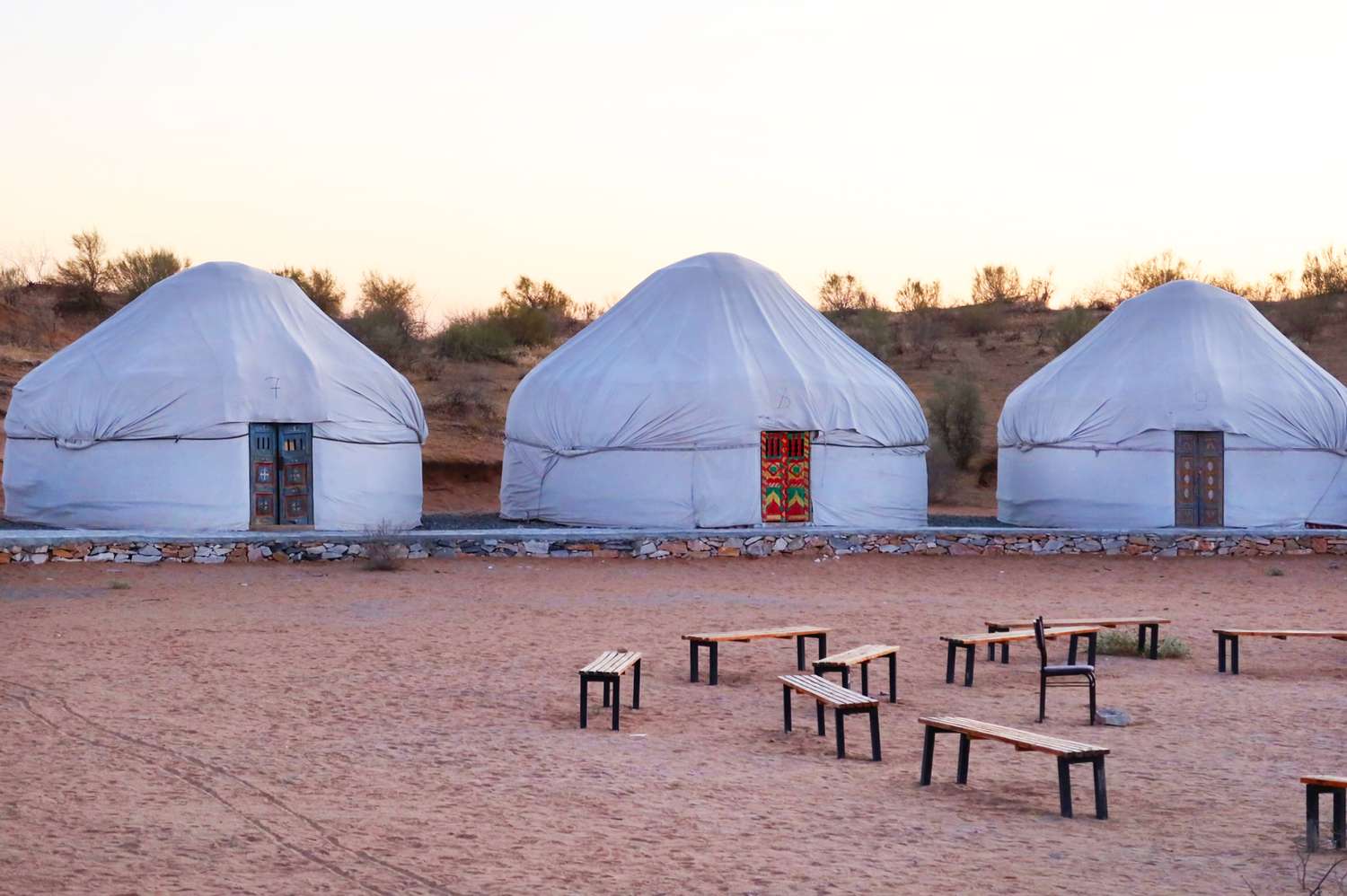
Sunset to Sunrise: The Desert Yurt Experience
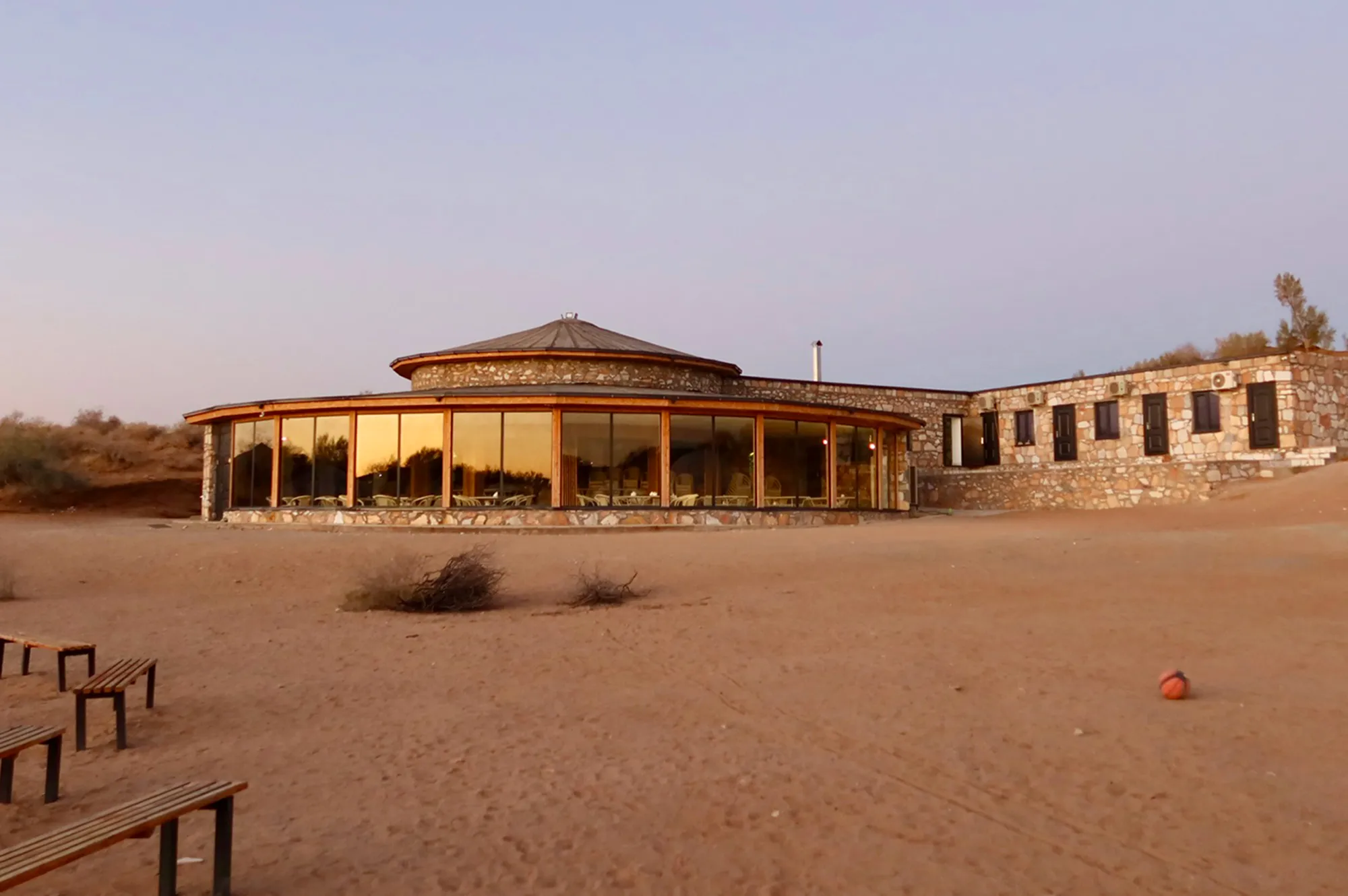
When you first pull into a place like aidar yurt camp, the silence hits you first. Then the heat. The Kyzylkum Desert is a massive beast, covering 300,000 square kilometers between the Amu Darya and Syr Darya rivers. In the mid-afternoon, the air is thick and still. This is the time to hide in the shade of the dining hall or take a slow walk to meet the local camels.
But everything changes when the sun starts to dip. The harsh white light turns into a soft, bruised purple and gold. This is the moment you came for. At aidar yurt camp, the staff starts a central fire as the temperature begins its rapid desert drop. This isn't just a campfire; it’s the heartbeat of the evening.
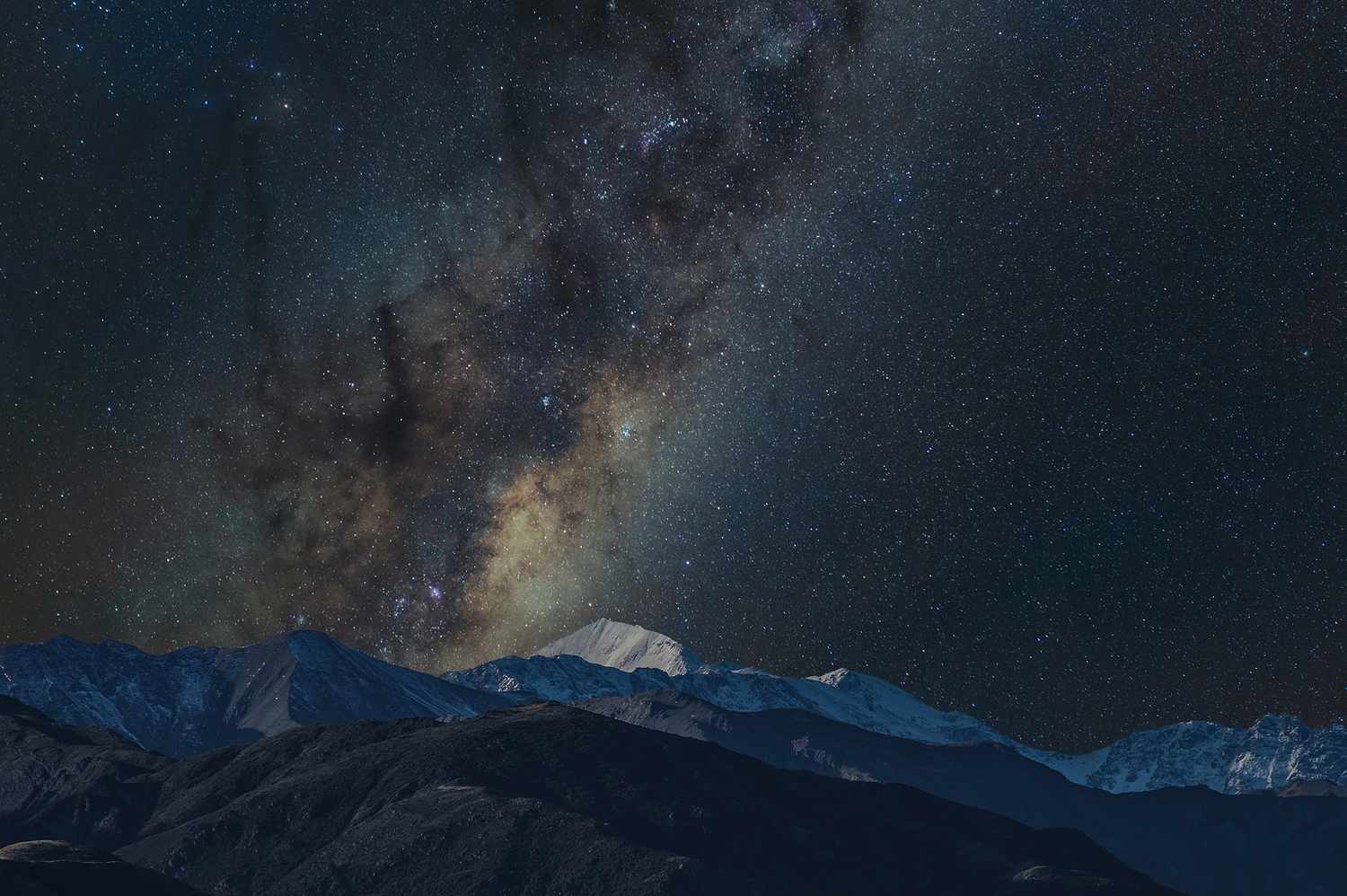
Usually, a local Dombra player will join the circle. The dombra is a long-necked lute, and hearing its percussive, rhythmic strumming under a canopy of stars is a transformative experience. There is no Wi-Fi here to distract you, no notifications—just the crackle of wood and the ancient music of the nomads. As the fire dies down, look up. Because of the lack of light pollution, stargazing at aidar yurt camp uzbekistan is world-class. You can see the Milky Way with startling clarity, an indigo sky draped over the felt roofs of the camp. For many, this is the definitive safari yurt camp uzbekistan moment—real, raw, and unvarnished.
Reality Check: Amenities and What to Pack
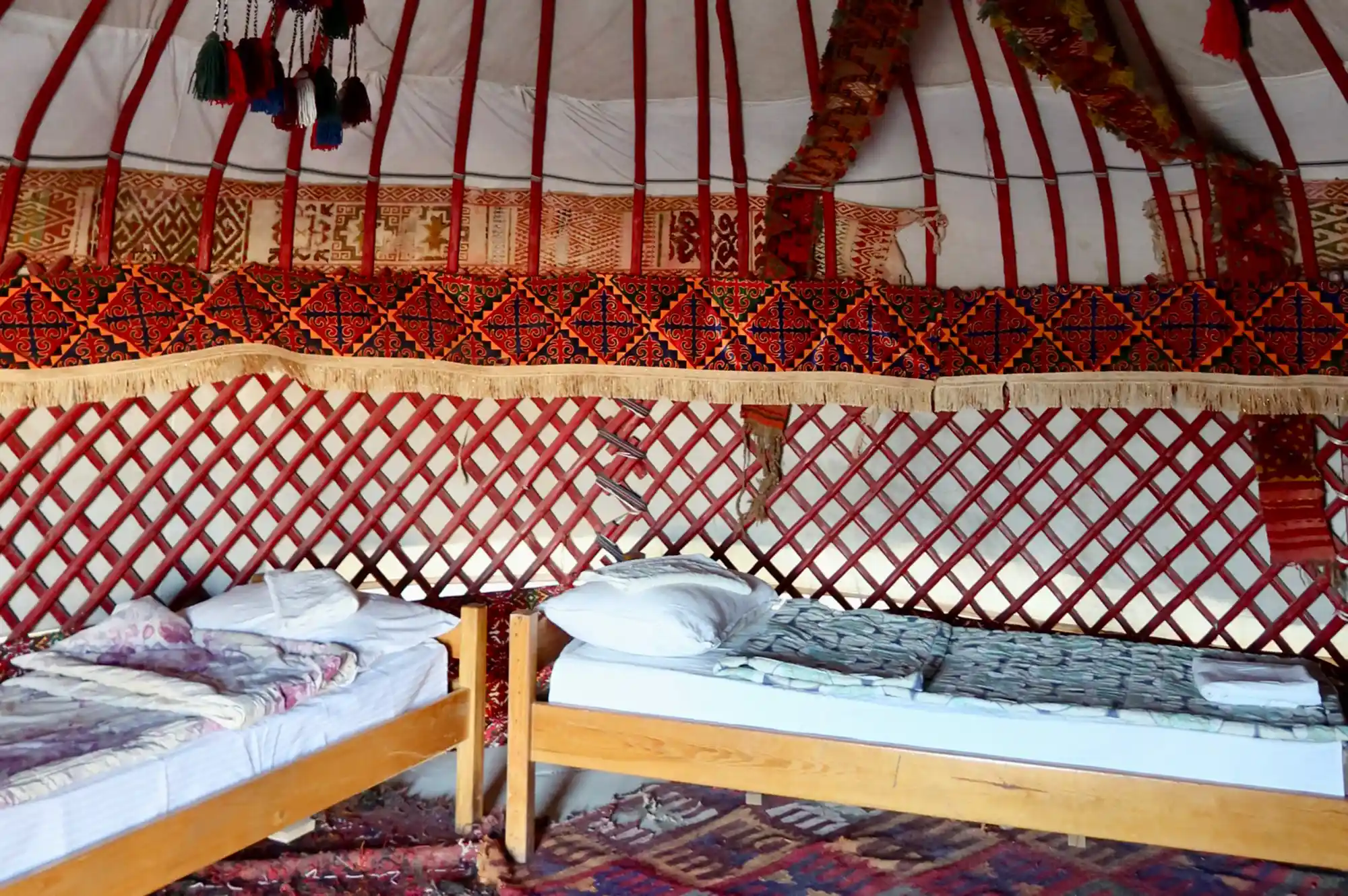
Let’s get real for a second. This is an adventure, not a Ritz-Carlton. I’ve seen travelers arrive expecting glamping and leave disappointed because they didn't understand the realities of nomadic traditions. A typical uzbekistan yurt camp is built for function. The tents use felt insulation made from sheep's wool to keep the heat out by day and the warmth in by night. Inside, you’ll find simple beds laid out on the floor or on low wooden frames.
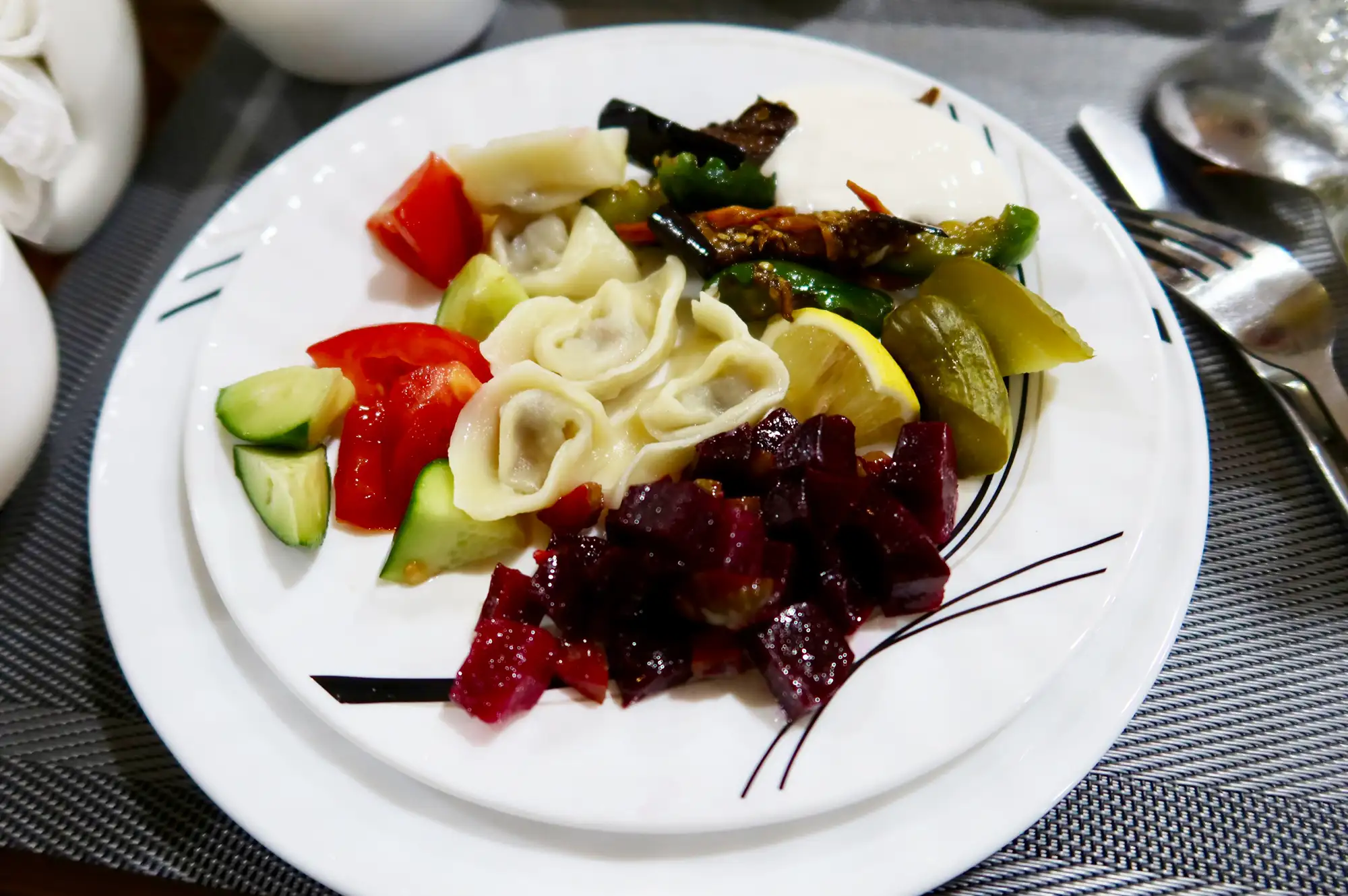
The communal dining experience is where the cultural immersion really shines. You will likely be served traditional Uzbek cuisine, which is hearty and designed for desert life. Expect a lot of dimlama (a slow-cooked meat and vegetable stew) and chuchvara (local dumplings).
The Reality Check: What to Expect
- Bathrooms: Shared bathroom facilities at uzbekistan yurt camps are standard. These are usually located in a separate concrete block a short walk from your yurt.
- Showers: Solar-heated water is common, meaning if you’re the last one in line at night, the water might be lukewarm.
- Power: Most yurts have a single lightbulb and maybe one outlet. Bring a power bank.
- Sleep: The mattresses are notoriously thin and firm. If you have back issues, be prepared.
- Critters: You’re in the desert. Occasional beetles or dust are part of the deal.
Essential Packing Table
| Item | Why You Need It |
|---|---|
| Lightweight Layers | Daytime heat is intense; nights are chilly. |
| Dust Mask/Buff | Winds can kick up sand in the Kyzylkum. |
| Headlamp | For navigating to the bathroom block at 2 AM. |
| Power Bank | Charging outlets are rare and often in demand. |
| Personal Toiletries | Most camps only provide basic soap. |
| Flip Flops | Essential for the shared shower floors. |
When considering kyzylkum desert yurt camp packing essentials, don't forget a good pair of walking shoes. The sand isn't always fine; it can be rocky and scrubby.
Beyond the Yurt: Aydarkul Lake and Ancient Fortresses
While the yurt itself is the draw, the surrounding landscape is packed with history. Just a short drive or a long camel trek from most camps lies Aydar Lake. This massive man-made lake provides a surreal contrast to the parched desert. You can swim in its turquoise waters or watch the local fishermen.
If you’re a history buff like me, you need to head toward the Sarmysh Gorge. This area near the route to many camps is home to more than 3,500 petroglyphs dating back to the Bronze Age. Seeing these ancient carvings of bulls and hunters in the middle of nowhere makes you realize that the uzbekistan yurt stay what to expect is more than a bed—it’s a connection to thousands of years of human migration.
Many travelers also use the yurt camps as a base for camel trekking across the dunes. It’s slow, it’s rhythmic, and it’s the way the Silk Road was meant to be seen. If you have more time, ask your driver about visiting the Ayaz Kala fortresses. These mud-brick ruins stand like silent sentinels on the hills, overlooking the vast plains where nomads have lived for centuries.
FAQ
Does Uzbekistan have yurts?
Yes, Uzbekistan has a rich tradition of yurt living, particularly among the nomadic Karakalpak people in the west and in the Kyzylkum Desert regions. While modern Uzbeks primarily live in permanent homes, many yurt camps have been established to preserve these nomadic traditions and offer travelers an authentic Silk Road experience.
Do Uzbeks live in yurts?
Today, most Uzbeks live in modern houses or apartments. However, yurts are still used by semi-nomadic shepherds during the grazing seasons in the mountains and steppe. Additionally, they remain a symbol of cultural heritage and are frequently used for festivals, traditional ceremonies, and tourism.
Do yurts have toilets in them?
Generally, no. Traditional yurts are single-room structures used for sleeping and living. In specialized yurt camps designed for tourists, you will find shared bathroom blocks with toilets and showers located a short distance away from the sleeping quarters. This maintenance of shared facilities helps preserve the authentic feel of the camp while providing necessary hygiene.
Is Uzbekistan safe for US citizens?
Uzbekistan is widely considered very safe for US citizens and international travelers. The government has invested heavily in tourism infrastructure and "tourist police." Violent crime is extremely rare, though travelers should always exercise standard common sense and be aware of their surroundings in crowded markets or remote desert areas.
Final Word from Marcus
If you are looking for a sterilized, five-star resort experience, stay in Tashkent. But if you want to feel the desert wind on your face, hear the resonance of a dombra against the silence of the dunes, and see the stars as the ancient caravans saw them, then find the best yurt camp uzbekistan has to offer and just go. It’s gritty, it’s dusty, and it’s one of the few places left on earth where you can truly feel the weight of history. Pack your layers, charge your camera, and get ready for a night you won't forget.