Quick Facts
- Safety Priority: The cabin crew assesses your sobriety and general demeanor within the first five seconds of your interaction at the boarding door.
- The $5k Rule: Consuming your own alcohol brought from the terminal is a violation of FAA regulations and can lead to fines exceeding $5,000.
- Middle Seat Rights: Standard social contracts and general flight etiquette grant both shared armrests to the passenger in the middle seat as a concession for their restricted space.
- The 20-Minute Marker: Boarding efficiency is strictly monitored; cabin doors often close 20 minutes before the scheduled departure to secure the flight path.
- Professional Greeting: Flight attendants actively look for signs of intoxication, excessive aggression, and a complete lack of situational awareness to identify potential safety liabilities before takeoff.
When you step onto a plane, the cabin crew isn't just saying hello—they are performing a high-stakes safety screening. Understanding flight etiquette starts at the boarding door. From signs of a difficult passenger on a plane to spatial awareness, flight attendants are trained to spot risks before the cabin door closes. They specifically identify potential difficult passengers during boarding by spotting signs of intoxication, excessive complaining, and disruptive group behavior. Passengers who appear impaired or attempt to bring personal alcohol onto the aircraft are viewed as safety liabilities and may face FAA fines or be denied boarding before the flight departs.
Red Flag 1: Signs of Impairment and Unruly Behavior
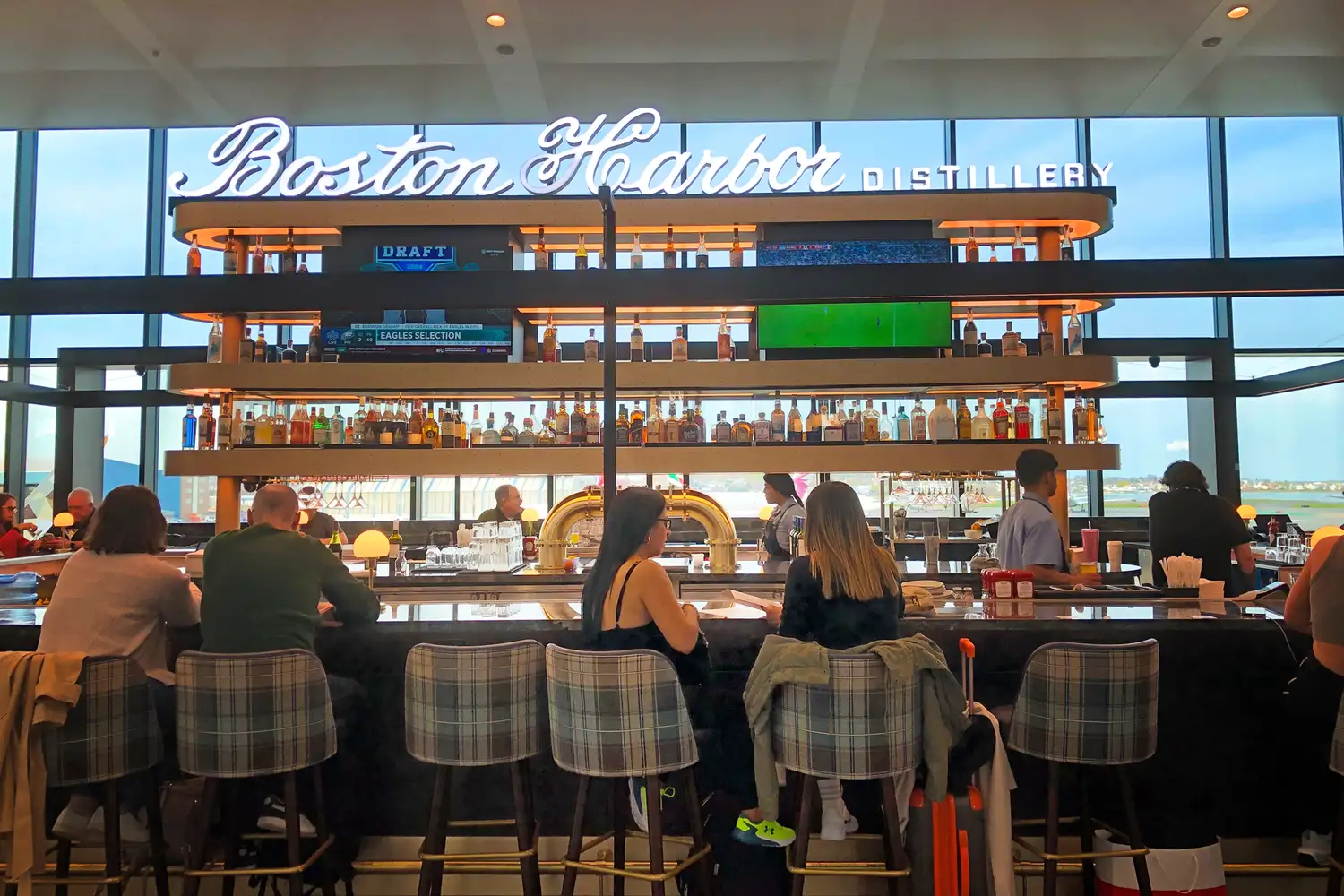
From a logistical and safety standpoint, sobriety is the primary metric we monitor during the boarding process. The transition from the airport terminal to the aircraft cabin is a critical threshold. While many travelers enjoy a pre-flight cocktail at a gate-side bar, the cabin crew is trained to look for heavy eyes, slurred greetings, or an unsteady gait. The reason for this scrutiny is simple: liability risk. At 35,000 feet, the physiological effects of alcohol are magnified due to lower oxygen levels in the pressurized cabin, turning a "tipsy" passenger into a significant in-flight medical or security risk.
The data supports this heightened vigilance. According to the Federal Aviation Administration, approximately 300 unruly passenger incidents reported in 2021 were directly attributed to alcohol consumption and intoxication. When a passenger shows signs of being high-conflict or impaired, they become a liability to the inflight safety of everyone on board. If an emergency evacuation were to occur, an intoxicated individual might not only fail to follow instructions but could physically obstruct the exit for others.
Furthermore, boarding etiquette for groups is closely watched. Bachelor parties, sports teams, or large family reunions often bring a high-energy dynamic that can quickly devolve into unruly behavior. We look for groups that are already disruptive in the jet bridge or those who are attempting to consume "to-go" drinks from the terminal. It is a federal offense to consume alcohol on an airplane that has not been served by the cabin crew. Attempting to hide a personal bottle of spirits is a massive red flag that suggests a passenger will not respect FAA regulations once the seatbelt sign is illuminated.
A survey of nearly 5,000 flight attendants conducted by the Association of Flight Attendants-CWA revealed that 85% of respondents had dealt with unruly passengers, with intoxication being a primary factor identified during the boarding process. This is why a simple "Hello, how are you today?" from the crew is actually a diagnostic tool used to gauge your responsiveness and sobriety.
Red Flag 2: Poor Spatial Boundaries and Aisle Friction
The second major red flag involves a total lack of situational awareness. Boarding is the most chaotic phase of any flight, and how a passenger navigates the aisle tells us everything we need to know about how they will behave for the next several hours. Passengers who stop in the middle of a high-traffic aisle to organize their bags, oblivious to the fifty people behind them, signal a lack of passenger cooperation that often leads to future conflicts.
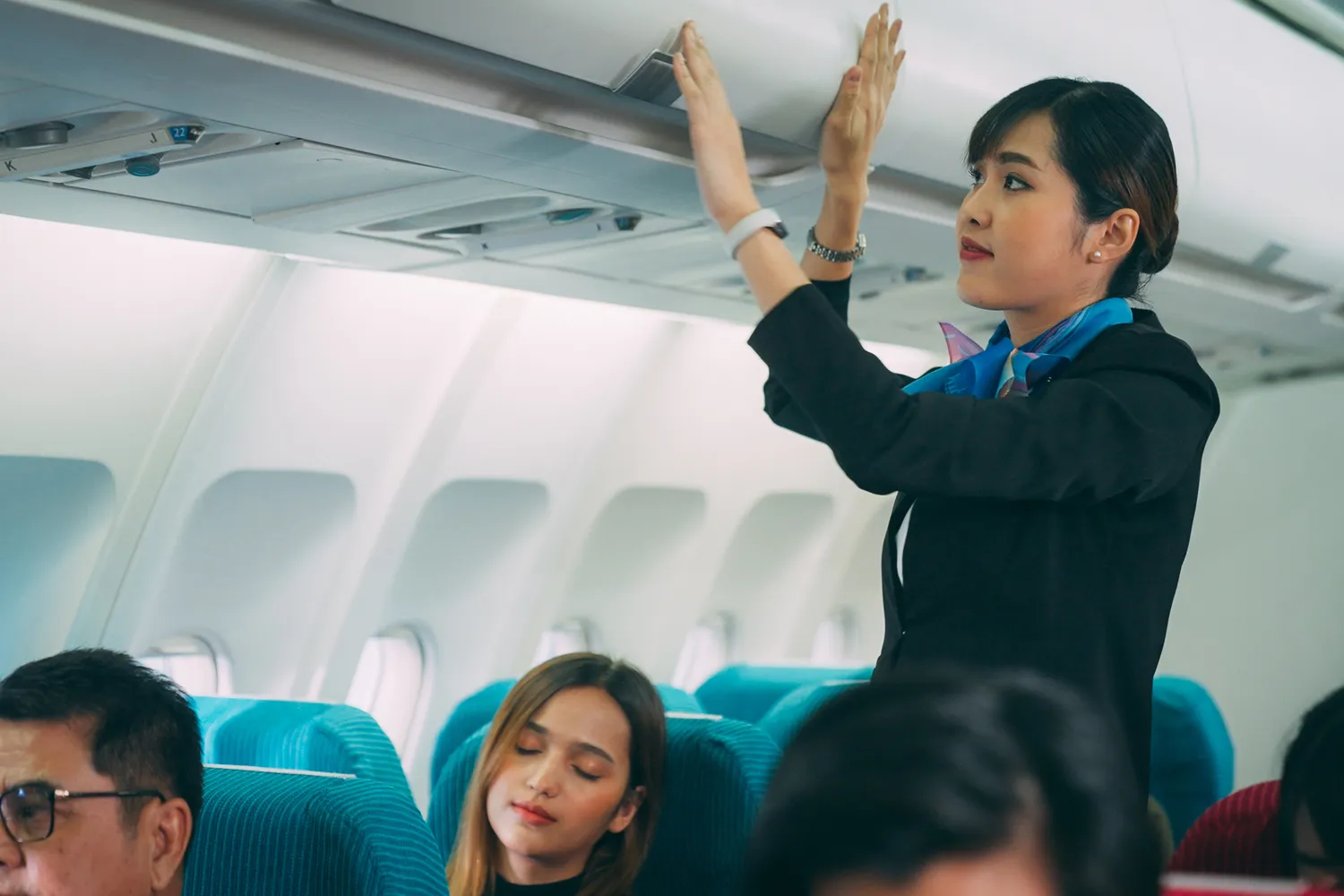
Maintaining boarding efficiency requires everyone to move with purpose. A major point of friction involves airplane overhead bin etiquette. We watch for passengers who try to monopolize space by placing small items like jackets or laptop bags in the overhead bins when they clearly belong under the seat in front of them. This behavior often forces the crew to gate-check bags for later passengers, creating delays and frustration. Being mindful of these small logistics is a hallmark of good flight etiquette.
One of the most frequent requests we receive during boarding involves seat swapping. Unless there is a legitimate family necessity—such as a parent separated from a young child—travelers are advised not to request seat swaps from window or aisle passengers. These seats are often specifically selected or paid for during booking. If you find yourself in the center, remember the unwritten rule of airplane etiquette middle seat: the person in the middle gets both armrests. This is a universally recognized consolation for having no direct access to the window or the aisle.
| Situation | Proper Etiquette | Red Flag |
|---|---|---|
| Middle Seat Armrest | Middle passenger takes both. | Aisle/Window passenger hogging middle space. |
| Overhead Bins | Larger bags in bin; small items under seat. | Placing all items, including coats, in the bin. |
| Aisle Movement | Step into the row to let others pass. | Blocking the aisle to check phone or change clothes. |
| Seat Swapping | Only for emergencies/families via gate agent. | Asking a solo traveler to give up a paid-for aisle seat. |
Red Flag 3: Gear and Clothing That Signal 'Unpreparedness'
What you wear for a flight boarding serves as a visual shorthand for your experience as a traveler and your preparedness for an emergency. While comfort is important, certain choices are immediate red flags for the crew. For instance, wearing extremely bulky clothing or floor-length garments can impede your movement in a narrow aisle or during an emergency exit. When considering what to wear for a flight, prioritize layers that are easy to manage.
There are also several things not to wear on a plane for the comfort of others. Heavy perfumes or colognes are significant red flags because the recycled air in a cabin concentrates scents, which can trigger allergic reactions or migraines in fellow passengers. Additionally, being on a phone call or wearing noise-canceling headphones while boarding suggests a lack of situational awareness. If the crew needs to give an urgent instruction, a passenger who is "plugged in" is a safety delay.
Beyond clothing, we look at the gear you carry. Passengers who have not prepared their personal items for the seat pocket—such as medication, headphones, or power banks—and instead spend five minutes digging through a carry-on while blocking the aisle, are flagged as potentially difficult. A prepared traveler has their essentials ready before they even step onto the jet bridge. This level of preparedness ensures that the flight adheres to safety protocols and the social contracts of shared travel.
Expert Tips: How to Be a 'Green Flag' Passenger
To be a passenger that every cabin crew member appreciates, focus on simple acts of respect and preparedness. Maintaining a respectful relationship with the crew and gate agents helps de-escalate the natural stress of air travel. A cohort study of 77,790 in-flight medical events found that medical emergencies occur at an overall incidence rate of 39 per 1 million enplanements, or approximately once every 212 flights. Being a "green flag" passenger means being capable and alert should such an event occur.
- Mind the Call Button: Proper flight attendant call button etiquette dictates that it should be reserved for emergencies or immediate assistance needs, not for routine beverage requests when the crew is clearly busy with service.
- Organize Early: Have your boarding pass ready and your small items in a separate pouch before you reach your row.
- Respect the Crew: A quick smile and a "thank you" during boarding go a long way in establishing a positive rapport.
- Stay Aware: Keep your headphones off until you are seated and the initial safety briefings are completed.
Remember, the crew's primary job is safety, not just service. By avoiding these red flags, you demonstrate that you are a cooperative partner in the inflight safety mission, allowing the crew to focus their energy on providing a comfortable experience for everyone.
FAQ
What is the 3 3 1 rule for flying?
The 3-3-1 rule is the standard for carrying liquids in your carry-on luggage: you are allowed containers of 3.4 ounces (100ml) or less, all placed in one clear, quart-sized bag, with one bag allowed per passenger. This ensures efficiency during the security screening process.
Why avoid seat 11A on a plane?
On many narrow-body aircraft, such as the Boeing 737, seat 11A is notorious for being a "window seat" that actually lacks a window due to the placement of air conditioning risers behind the cabin wall. Travelers should check seat maps carefully to avoid staring at a plastic panel for several hours.
Why not wear jeans on a plane?
While not a safety violation, many seasoned travelers avoid jeans because denim lacks breathability and can become restrictive during long-haul flights when the body naturally swells due to pressure changes. Opting for high-quality travel trousers or leggings provides better circulation and comfort.
Can you bring toothpaste on carry-on?
Yes, you can bring toothpaste in your carry-on luggage, provided the tube is 3.4 ounces (100ml) or smaller to comply with the TSA liquids rule. If you have a larger tube, it must be placed in your checked baggage.
Why is peanut butter not allowed on planes?
Peanut butter is often categorized as a liquid, gel, or aerosol by security agencies like the TSA because it is spreadable. Therefore, any container larger than 3.4 ounces will likely be confiscated at security checkpoints, regardless of its consistency.