Quick Facts
- Top Experience: The Matariki Stargazing Train Journey departing from Christchurch.
- Best Destination: Kaikōura International Dark Sky Sanctuary, designated in late 2024.
- Prime Season: June through August for winter clarity and the Matariki rise.
- Cultural Highlight: Traditional Māori storytelling (Koha) paired with a four-course dinner.
- Sky Quality: An average of 21.58 magnitude per square arcsecond in Kaikōura.
- Must-See: The Southern Cross, Large and Small Magellanic Clouds, and the Aurora Australis.
The best New Zealand stargazing is found on the South Island, specifically within the Aoraki Mackenzie International Dark Sky Reserve and the Kaikōura International Dark Sky Sanctuary, ideally visited during the winter months for optimal visibility. These regions offer some of the lowest light pollution levels on the planet, creating a celestial tapestry that is essential for both cultural discovery and high-end astrophotography.
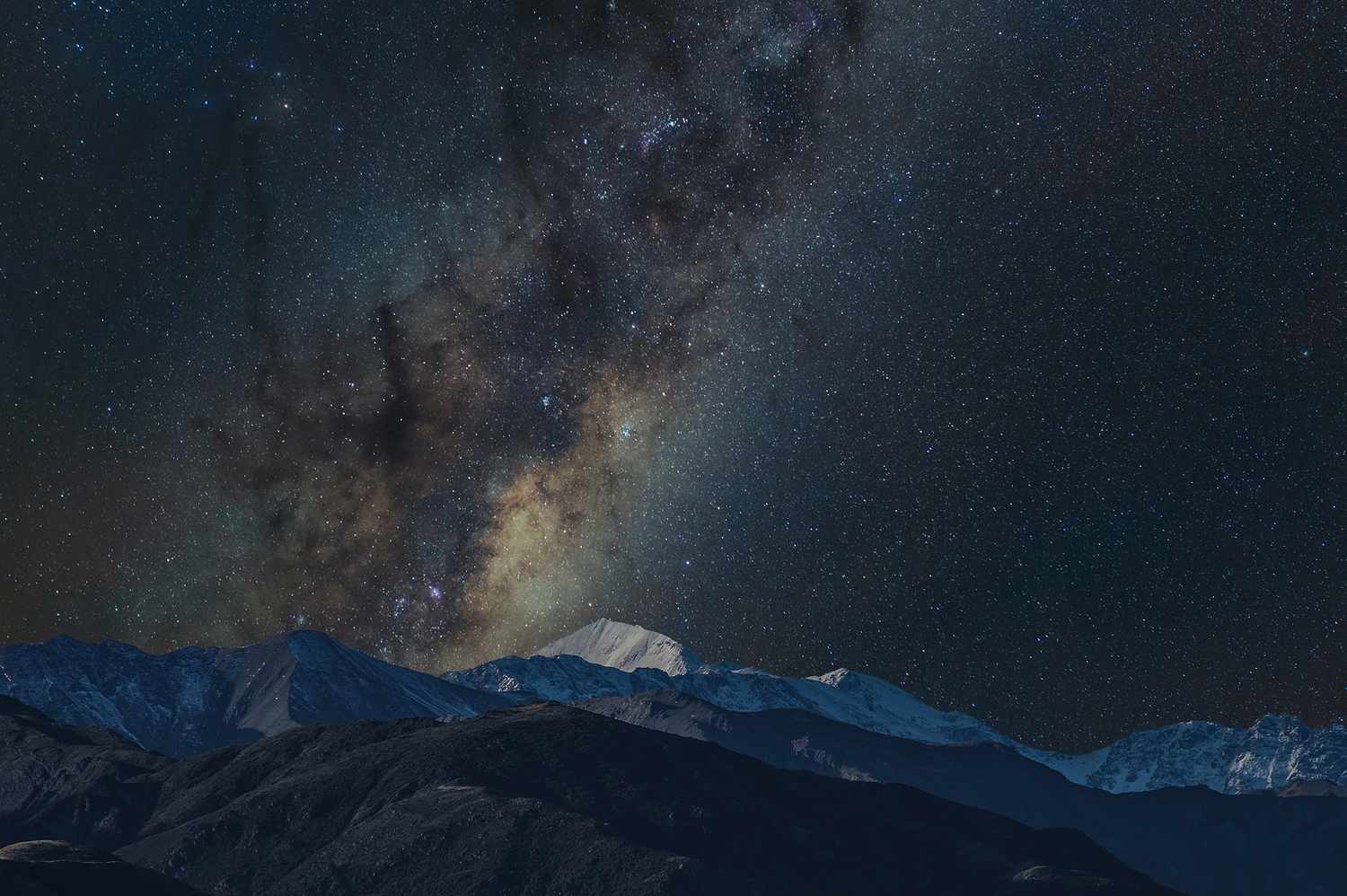
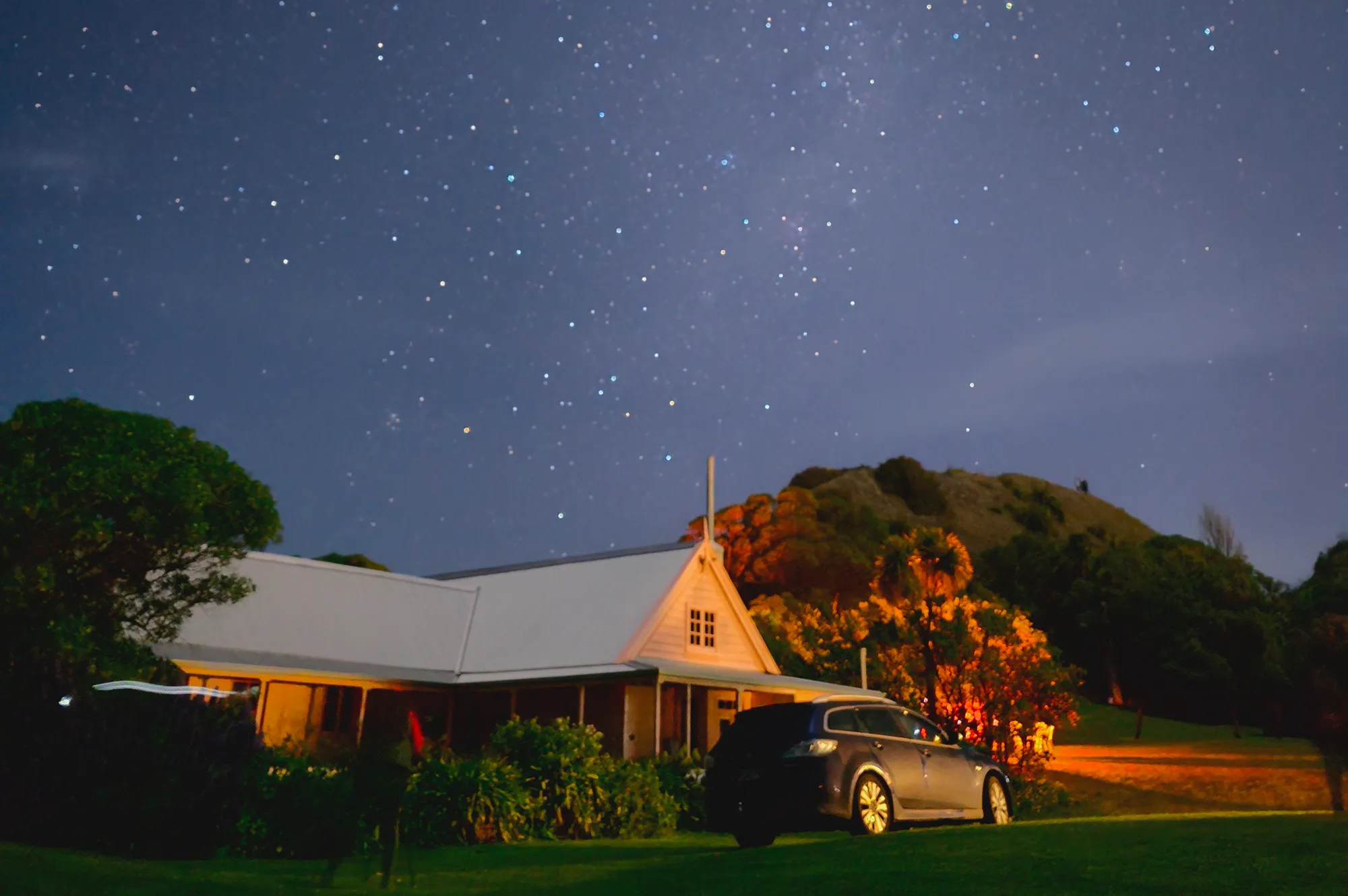
As a visual editor, I have spent a decade chasing light across seven continents, but there is something uniquely humbling about the velvet skies above the South Island. When the sun dips below the Kaikōura Ranges, the atmosphere doesn't just get dark; it transforms into a crystalline window to the universe. New zealand stargazing has long been a pilgrimage for photographers, but a new era of astrotourism is unfolding—one that trades the cold wait on a mountain peak for the warmth of a luxury rail carriage.
The Matariki Stargazing Train Journey: A Celestial Voyage
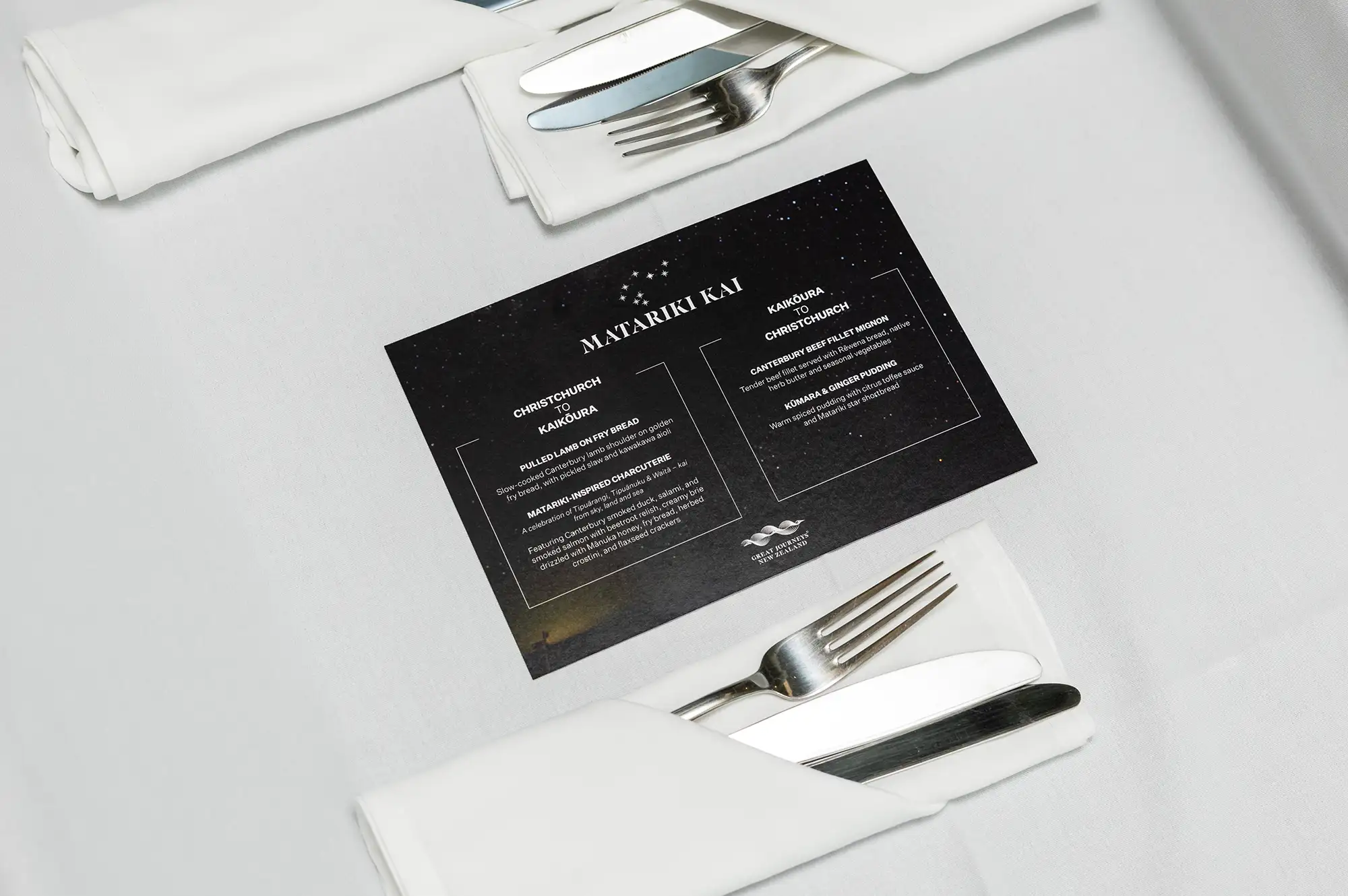
The most innovative addition to the Southern Hemisphere's nocturnal scene is the Matariki stargazing train journey. Operated by Great Journeys New Zealand as a seasonal special on the Coastal Pacific rail, this experience is designed specifically to celebrate the Māori New Year. Departing from Christchurch, the eight-hour round trip transforms a traditional rail journey into a moving theatre of light and legend.
For a fare of approximately NZ$499, travelers are treated to more than just a seat with a view. The journey revolves around the rising of the Matariki star cluster, also known as the Pleiades. In Māori culture, this celestial event signals a time of remembrance for those who have passed and a celebration of the harvest and new beginnings. As the train glides along the edge of the Pacific Ocean, the lack of coastal development ensures that the view out the window remains untainted by urban glow.
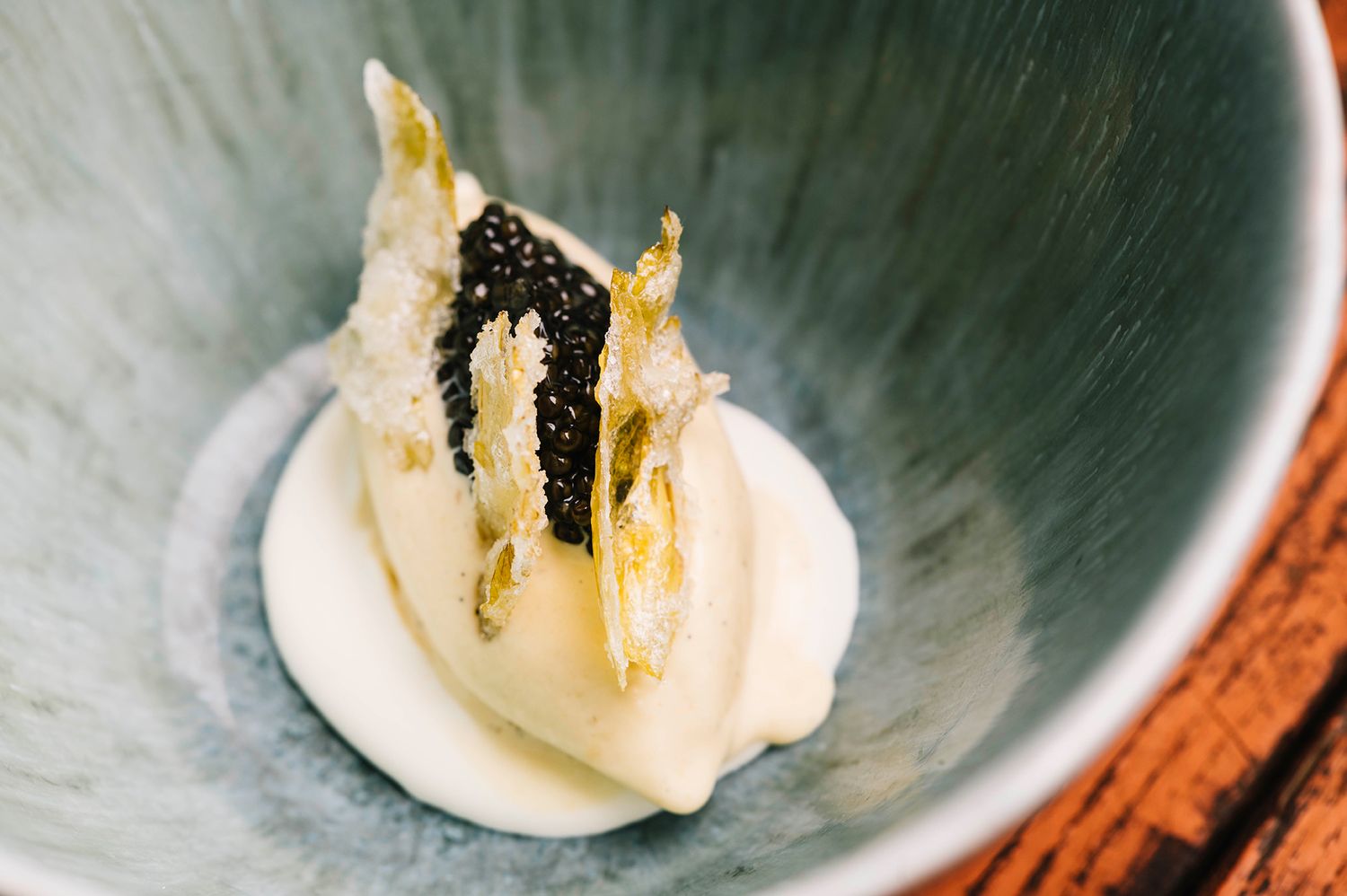
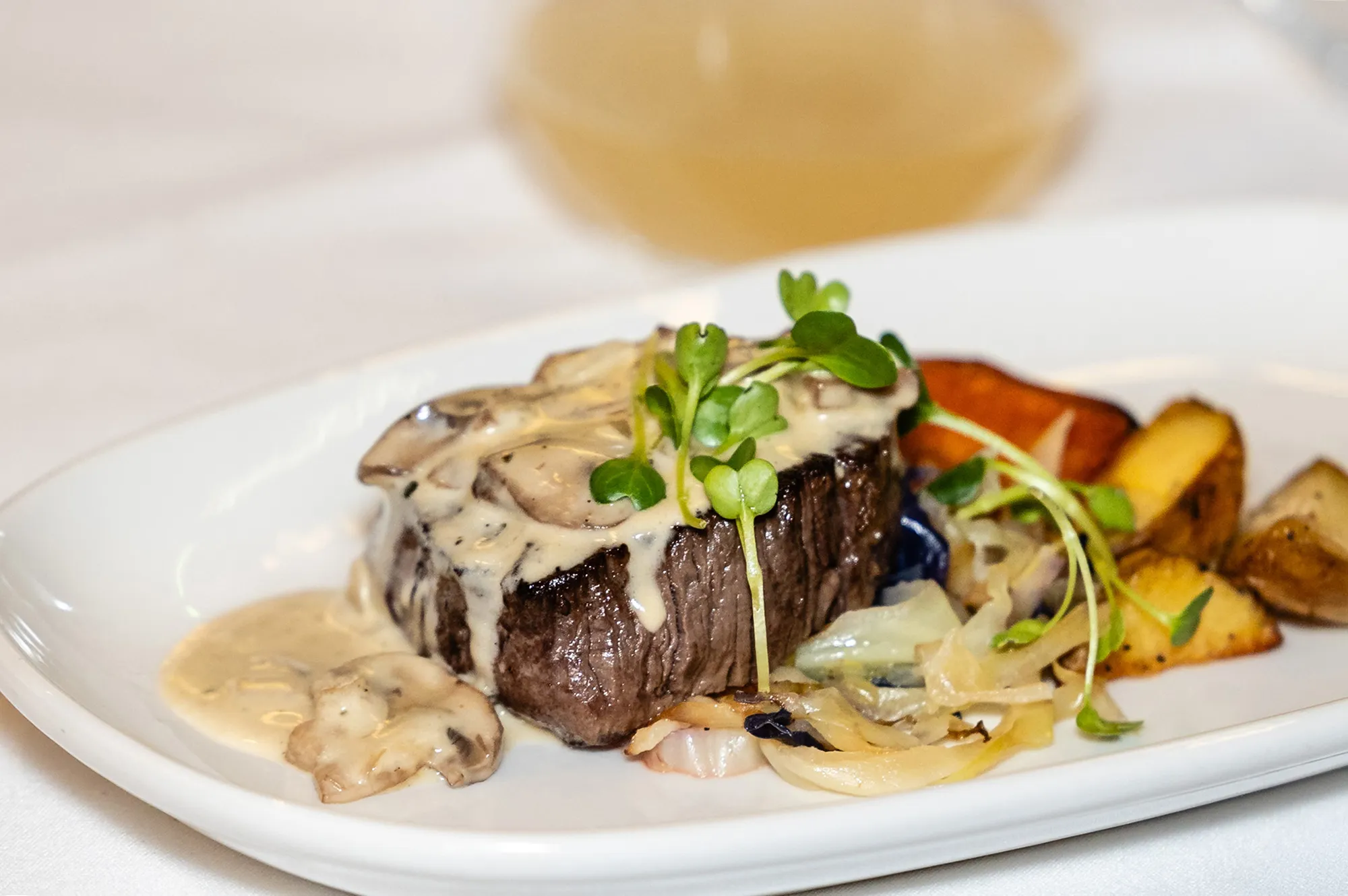
The experience is anchored by a gourmet four-course luxury meal, where regional flavors meet indigenous tradition. Between courses, local storytellers share the history of the Matariki cluster, weaving together the stars above and the land below. This is where stargazing tours from christchurch south island have truly evolved—moving beyond the telescope to create a holistic cultural event.
Alex’s Pro-Tip: The Clouds Won't Stop the Show New Zealand winter stargazing can be at the mercy of the weather. One of the most thoughtful features of the Matariki train is the VR backup plan. If the clouds roll in, guests are provided with high-resolution VR headsets that simulate the night sky above the train’s exact location, ensuring you never miss the celestial alignment.
Kaikōura: The South Island’s Dark Sky Sanctuary
While the rail journey provides the movement, Kaikōura offers the stillness required for deep-sky observation. In September 2024, Kaikōura was officially designated as an International Dark Sky Sanctuary. This is a prestigious title, distinct from a "Reserve," indicating a level of darkness and sky quality that is among the rarest in the world. The sanctuary covers approximately 2,039 square kilometers, encompassing nearly 98% of the local district.
From a technical photography perspective, the Kaikōura International Dark Sky Sanctuary is a dream. The sky quality here measures an average of 21.58 magnitude per square arcsecond. To put that in perspective, any reading over 21.0 is considered world-class; 21.58 is essentially the theoretical limit of how dark a natural sky can be.
This isn't just for the benefit of tourists. The sanctuary status is vital for nocturnal wildlife conservation, particularly for the endangered Hutton’s Shearwater. These seabirds use the stars for navigation, and excessive light pollution can lead them astray. By visiting, you are participating in a conservation effort that protects both the avian residents and the heritage of the night sky.
For those looking to capture the perfect shot, I recommend heading to Puhi Peaks Station. Situated on a 1,000m ridgeline, it offers an unobstructed 360-degree view of the horizon. Under these conditions, the Milky Way doesn't just look like a faint cloud; it casts a discernible shadow on the ground. This reflects a growing trend in New Zealand's tourism sector; research led by Tourism New Zealand shows that more than 70% of people considering a visit to the country express a direct interest in stargazing.
Beyond the Coast: Tekapo and the Mackenzie Basin
While Kaikōura is the new star on the map, no matariki new zealand stargazing guide would be complete without mentioning the Mackenzie Basin. The Aoraki Mackenzie International Dark Sky Reserve is the largest of its kind in the Southern Hemisphere. It focuses on the iconic Lake Tekapo (known as Takapō in Māori) and the world-renowned Mt. John Observatory.
The experience here is more technical and scientific. While the stargazing train journey new zealand offers a luxury social experience, Tekapo is about the power of optics. Premium tours at Mt. John often maintain a boutique 5:1 guest-to-telescope ratio, allowing for extensive time viewing everything from the craters of the moon to distant nebulae through research-grade equipment.
| Feature | Dark Sky Sanctuary (Kaikōura) | Dark Sky Reserve (Mackenzie) |
|---|---|---|
| Primary Focus | Pristine darkness & wildlife conservation | Astronomy research & education |
| Sky Quality | 21.5-21.7 magnitude | 21.2-21.5 magnitude |
| Best For | Astrophotography & Cultural Storytelling | Professional Telescopes & Science |
| Accessibility | Coastal rail and wilderness stations | High-altitude observatories |
Practical Tips for Your Winter Stargazing Quest
Planning a trip for stargazing in new zealand south island requires a bit more than just a clear calendar. The timing of your visit can change everything from the constellations you see to the likelihood of catching the Aurora Australis.
- The Aurora Window: While the Southern Lights can appear year-round, your best chances are between March and September. Look for "geomagnetic storm" alerts on apps like SkySafari to anticipate a show.
- Gear for the Cold: New zealand winter stargazing is no joke. Even during the Matariki train journey, temperatures can drop below freezing once you step out for viewing. Merino wool layers and windproof jackets are non-negotiable.
- The Full Moon Rule: If your primary goal is the Milky Way, avoid the week surrounding the full moon. The moon’s natural light pollution will wash out the fainter stars and celestial structures.
- Digital Tools: Use the Night Sky app to identify constellations in real-time. It’s particularly helpful for spotting the Southern Cross if you are coming from the Northern Hemisphere.
FAQ
Is New Zealand good for stargazing?
New Zealand is widely considered one of the best countries in the world for stargazing due to its low population density, remote island geography, and strict lighting ordinances in protected areas. The South Island, in particular, contains some of the few remaining "Gold Tier" dark sky sites on Earth.
When can I see Milky Way in New Zealand?
The Galactic Center of the Milky Way is most visible during the winter months, typically from March to October. During the peak of winter (June and July), the core of our galaxy sits directly overhead, providing the most dramatic and clear views for observers and photographers.
What's the best place in the world to stargaze?
While sites like the Atacama Desert in Chile are world-famous, the South Island of New Zealand is often cited as the top destination for "accessible" stargazing. The combination of high-altitude observatories in the Mackenzie Basin and the coastal purity of the Kaikōura International Dark Sky Sanctuary creates a unique environment for celestial viewing.
Is the Lake Tekapo stargazing Tour worth it?
Yes, the tours at Lake Tekapo are worth it for the access to professional-grade telescopes and the expertise of resident astronomers. The Aoraki Mackenzie Dark Sky Reserve offers some of the best high-altitude viewing conditions in the world, making it a must-visit for those interested in the science of the stars.
What's the worst time for stargazing?
The worst time for stargazing is during a full moon or when there is heavy cloud cover. A full moon can be up to 40 times brighter than the stars, significantly reducing the number of visible celestial objects. Additionally, the summer months have shorter nights, providing fewer hours for dark-sky observation compared to the long nights of winter.
New zealand stargazing is more than a tourist activity; it’s a reconnection with a part of the natural world we have largely lost in the modern age. Whether you are leaning against the velvet seats of the Coastal Pacific rail or standing on a ridgeline in Kaikōura, the stars here tell a story that stays with you long after the sun comes up.