Quick Facts
- Scientific Rank: Ranked #1 Most Scenic in North America based on eye-tracking data.
- Operating Season: Mid-April to Mid-October annually.
- Service Model: Daylight-only transit ensuring zero views are missed; no sleeping on the train.
- Core Routes: First Passage to the West, Journey through the Clouds, Rainforest to Gold Rush, and Rockies to the Red Rocks.
- 2026 Price Range: $2,295 CAD to approximately $14,790+ CAD depending on route and duration.
- Key Landmarks: Mount Robson, Spiral Tunnels, Fraser Canyon, and the Continental Divide.
- Service Tiers: Choice between bi-level GoldLeaf and single-level SilverLeaf dome coaches.
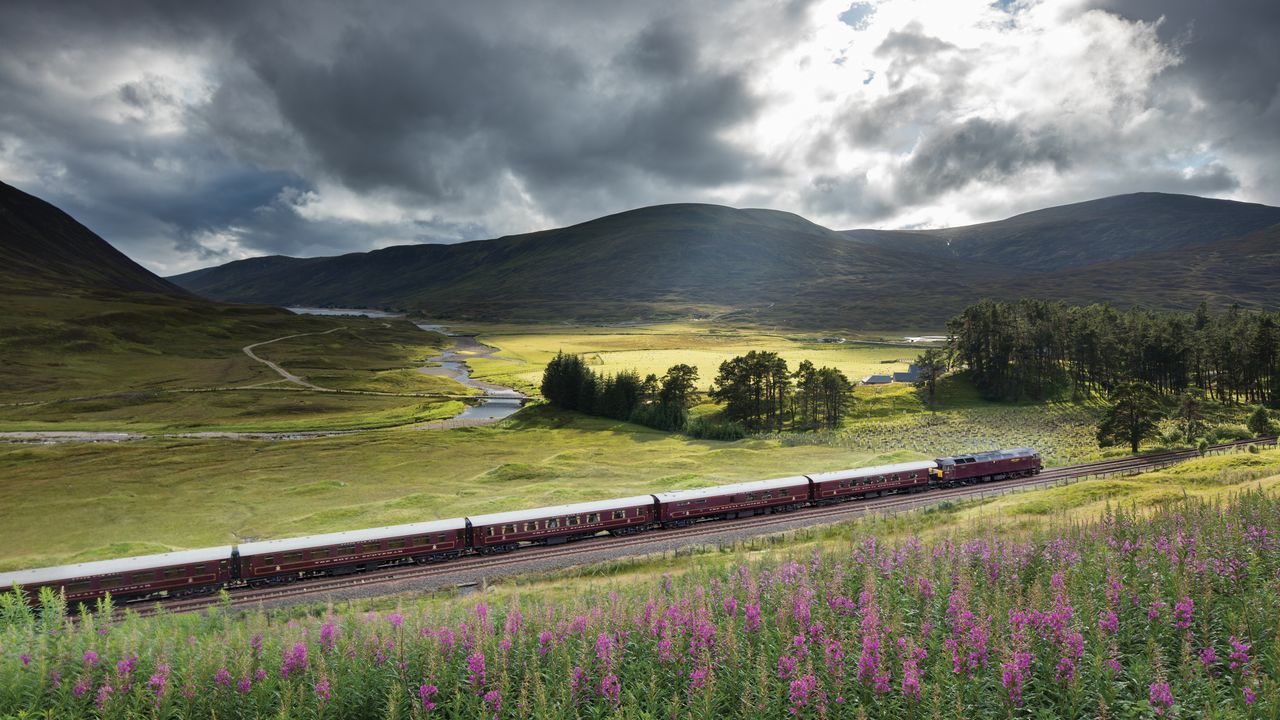
The rocky mountaineer is North America's most scenic train journey, famous for its daylight-only transit through the Canadian Rockies. Unlike traditional rail, it prioritizes views with glass-domed coaches and overnight hotel stays in towns like Kamloops, connecting Vancouver with Banff and Jasper while navigating through UNESCO World Heritage sites and dramatic British Columbia landscapes.
The Scientific Allure of the Canadian Rockies
When we discuss luxury travel, we often speak in subjective terms: the softness of the thread count or the nuance of a vintage Pinot Noir. However, the prestige of the rocky mountaineer train is now backed by more than just rave reviews. Recent eye-tracking studies have confirmed that the Canadian Rockies are the top destination for visual engagement, outperforming other global landscapes in sheer "gaze time." This scientific hook confirms what many of us have felt while peering through a glass dome: these mountains demand your absolute attention.
While other routes like Amtrak's California Zephyr offer cross-country utility—recording a total of 351,141 passengers in fiscal year 2024—the rocky mountaineer is a different breed of travel altogether. It is not a method of transport; it is a curated experience. It is often described as a land cruise, where the logistics of the journey are as meticulously managed as a five-star hotel, allowing the natural grandeur of Alberta and British Columbia to take center stage.
The Scientific Hook Data scientists used eye-tracking technology to measure which global landmarks held traveler attention the longest. The jagged peaks, turquoise lakes, and dense forests of the Canadian Rockies consistently ranked at the top, proving that the scenery here is objectively the most captivating in North America.
The Three Iconic Canadian Routes: Which is Best for You?
Choosing the right rocky mountaineer train route is a matter of deciding which version of the wilderness speaks to your soul. Each path offers a distinct narrative, though all share the same commitment to luxury rail vacation standards.
First Passage to the West: The Historic Choice
This is the most popular rocky mountaineer vancouver to banff itinerary, tracing the historic tracks that connected Canada from east to west in the late 19th century. If you are a history buff or a fan of dramatic engineering, this is your route. You will traverse the Spiral Tunnels, a marvel of railway design that winds through the mountains to manage the steep grades of the Continental Divide.
The journey begins in the coastal elegance of Vancouver before heading into the lush Fraser Canyon and the arid beauty of the interior. After an overnight stay in Kamloops, the landscape shifts dramatically into the snow-capped peaks of Banff National Park. It is the quintessential rocky mountaineer experience, blending the lushness of British Columbia with the ruggedness of the Alberta Rockies.
Journey through the Clouds: The Nature Lover's Path
When comparing rocky mountaineer first passage to the west vs journey through the clouds, the latter is often chosen by those seeking pure, unadulterated wilderness. This route travels between Vancouver and Jasper, taking you past the highest peak in the Canadian Rockies: Mount Robson.
The scenery here feels more remote. You will follow the path of the Fraser River, watching as it transforms from a wide waterway into a raging torrent through Hell’s Gate. Wildlife spotting is a major highlight on this route; keep your eyes peeled for black bears, ospreys, and bald eagles as the train glides through the North Thompson River valley.
Rainforest to Gold Rush: The Grand Tour
For those with more time, the Rainforest to Gold Rush route offers a three-day odyssey that includes an overnight in the alpine village of Whistler and another in the historic town of Quesnel. This is the most diverse itinerary, covering everything from temperate rainforests to the high-desert plateaus of the Cariboo region. It eventually leads you to the majestic beauty of Jasper, offering a comprehensive look at the varied ecosystems of Western Canada.
SilverLeaf vs GoldLeaf: Is the Upgrade Worth It?
One of the most frequent questions I receive as an editor is whether to choose rocky mountaineer silverleaf vs goldleaf service. While both tiers offer a level of service far beyond standard rail travel, the differences are significant for the discerning traveler.
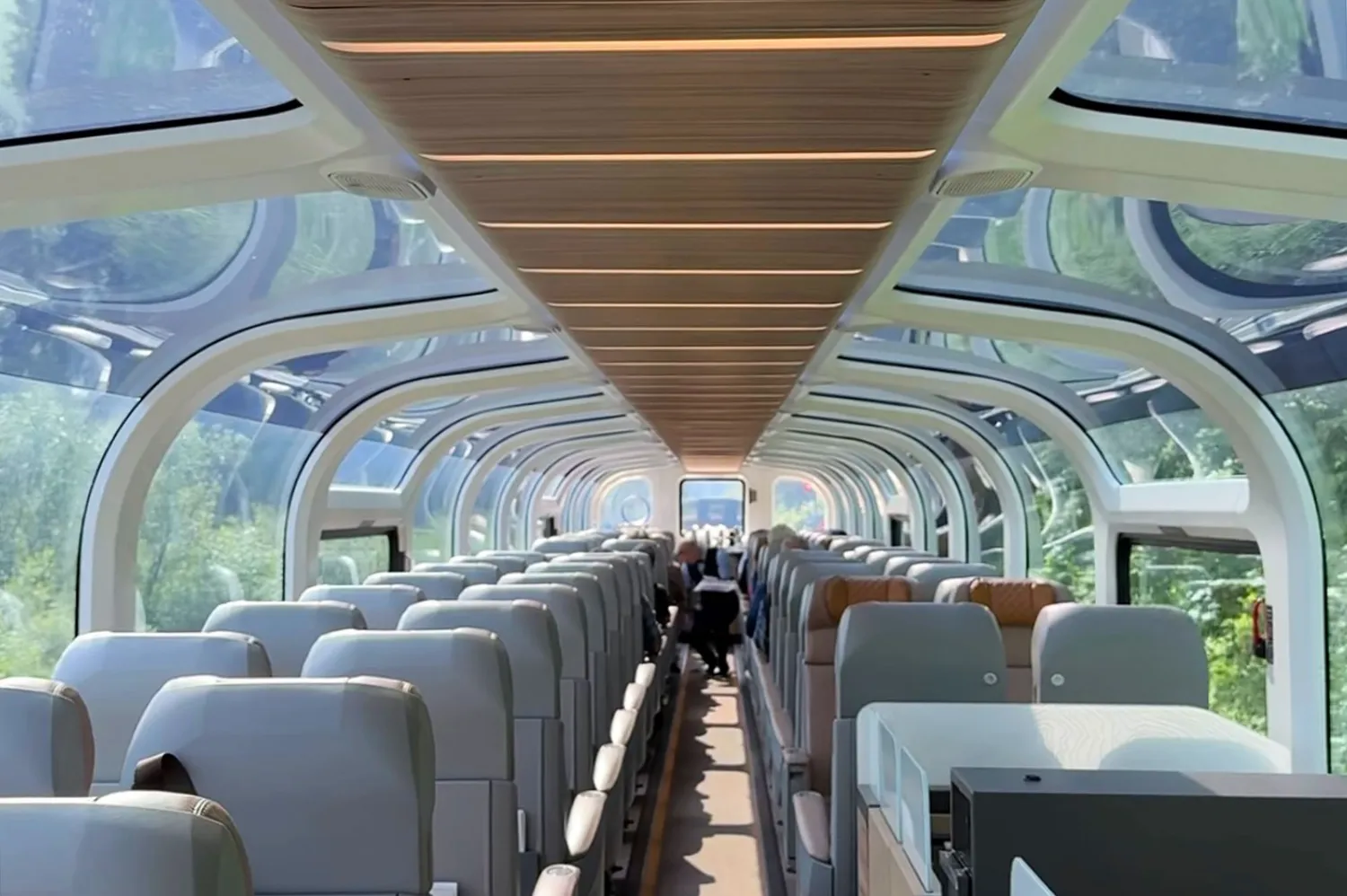
The rocky mountaineer luxury train experience is truly defined by its GoldLeaf service. In this tier, you occupy a bi-level dome coach. The upper level is dedicated to seating, wrapped in full-length glass windows that curve over the roof, providing an immersive 360-degree view. Below, you will find a dedicated dining room where gourmet regional cuisine is served on crisp white linens.
SilverLeaf service, by contrast, takes place in a single-level dome coach. While the windows are still oversized and offer stunning views, you dine at your seat rather than in a separate dining room. The menu is still excellent, featuring local ingredients, but the variety is slightly more limited than the GoldLeaf offerings.
| Feature | GoldLeaf Service | SilverLeaf Service |
|---|---|---|
| Coach Style | Bi-level Glass Dome | Single-level Dome |
| Dining | Private dining room (lower level) | Served at your seat |
| Viewing | Full glass-dome + Outdoor platform | Oversized windows |
| Meals | 3-course breakfasts & 3-course lunches | 2-course breakfasts & 3-course lunches |
| Beverages | Premium wine, spirits, and snacks | Regional wine, beer, and snacks |
| Outdoor Access | Large exclusive open-air platform | Smaller shared vestibule |
One of the most underrated benefits of GoldLeaf is the exclusive open-air viewing platform. There is nothing quite like standing outside, feeling the pine-scented mountain air on your face and hearing the rush of the river below as the train rounds a bend. For photographers, this platform is indispensable, as it eliminates the glare from the glass windows.
Logistics Reality Check: What to Expect Onboard
To fully enjoy the rocky mountaineer, one must understand its unique service model. This is not a sleeper train. To ensure you never miss a moment of the scenery, the train only moves during the day.
The Land Cruise Philosophy
The daylight-only transit means that every evening, the train stops, and passengers are whisked away to comfortable rocky mountaineer hotel accommodations for overnight stops. In Kamloops or Quesnel, these are typically mid-range hotels (like a Delta or Sandman Signature), as these towns are functional stopovers rather than luxury destinations. However, in your start and end cities like Vancouver, Banff, or Jasper, you can opt for iconic properties like the Fairmont Banff Springs or the Fairmont Chateau Lake Louise.
Luggage Logistics
One of the most seamless aspects of the trip is the luggage handling. You do not need to worry about hauling suitcases through narrow train aisles. Your large luggage is tagged at the start of your journey and transported separately by truck. When you arrive at your midpoint hotel, your bags will already be waiting in your room. This means you only need to carry a small day-bag on the train with your essentials—camera, medication, and perhaps a light sweater.
Life at Kodak Speed
The train travels at what the crew calls Kodak Speed—roughly 50 kilometers per hour. This is intentional. When the train approaches a point of interest, like a waterfall or a bear near the tracks, the engineer will slow down even further to allow for photos. However, be prepared for early mornings. Departures are often at 6:30 AM or 7:30 AM to maximize daylight. Also, embrace the slow travel movement: there is no WiFi onboard. The goal is to disconnect from the digital world and reconnect with the landscape and your fellow travelers.
2026/2027 Planning: Costs and Best Times to Travel
Planning a trip of this magnitude requires a strategic approach to both timing and budgeting. The best time of year for rocky mountaineer trip depends entirely on what you wish to see.
- May and June: The peaks are still heavy with snow, providing that classic "winter wonderland" look even as the valleys turn green. This is also a fantastic time for waterfalls, which are at their peak flow from the spring melt.
- July and August: These are the warmest months and offer the best chance for clear skies, though this is the peak season with the highest prices and largest crowds in Banff and Jasper.
- September and October: The crisp autumn air brings out the golden hues of the larch trees. Wildlife spotting often increases during this time as animals prepare for the winter.
Pricing Insights
For those looking at 2026/2027 departures, booking 6 to 12 months in advance is highly recommended. The rocky mountaineer train cost for seniors or couples can vary greatly based on the season. Traveling in the shoulder months of April, May, or October can save you significant amounts compared to the July peak.
| Route (2-Day) | Service Tier | 2026 Estimated Price (Per Person) |
|---|---|---|
| First Passage to the West | SilverLeaf | $2,295 - $2,950 CAD |
| First Passage to the West | GoldLeaf | $3,450 - $4,800 CAD |
| Journey through the Clouds | SilverLeaf | $2,295 - $2,950 CAD |
| Journey through the Clouds | GoldLeaf | $3,450 - $4,800 CAD |
Editor's Tip If you are debating between rocky mountaineer vs driving canadian rockies, remember that the driver misses 90% of the views. On the train, the storytelling from onboard hosts adds a layer of depth—sharing legends of the indigenous peoples and the gritty history of the railway workers—that you simply cannot get from behind a steering wheel.
FAQ
How much does it cost for a trip on the Rocky Mountaineer train?
Pricing for a basic two-day journey typically starts around $2,295 CAD per person in SilverLeaf service during the shoulder season. For a premium GoldLeaf experience on a longer route during the peak summer months, prices can exceed $6,000 CAD per person. Comprehensive packages that include luxury hotel stays and sightseeing tours can range from $8,000 to over $14,000 CAD.
Do you sleep on the Rocky Mountain train?
No, the rocky mountaineer is a daylight-only train. This ensures that passengers do not miss any of the spectacular scenery while sleeping. Instead, guests spend their nights in comfortable hotel accommodations in towns like Kamloops, Quesnel, or Glenwood Springs, depending on the route chosen.
Which Rocky Mountaineer route is best?
The best route depends on your interests. The First Passage to the West is the most iconic, featuring the Spiral Tunnels and the historic connection to Banff. Journey through the Clouds is preferred by nature enthusiasts for its views of Mount Robson and remote river canyons. For those seeking the most diverse landscapes over a longer period, the three-day Rainforest to Gold Rush route is highly recommended.
Is it worth paying extra for gold leaf on Rocky Mountaineer?
Most travelers find that the upgrade is well worth the investment. The bi-level coaches with full glass domes offer a significantly more immersive viewing experience than the single-level SilverLeaf cars. Additionally, the access to a private dining room with a broader gourmet menu and the exclusive open-air viewing platform are features that define the luxury nature of the journey.
A Final Thought on the High-Altitude Romance
There is a specific kind of romance found in rail travel that aviation and road trips simply cannot replicate. It is found in the rhythmic clink of the tracks, the slow pour of a British Columbia VQA wine, and the shared gasp of a cabin full of strangers when a grizzly bear appears on a riverbank.
The rocky mountaineer is not just a way to see the mountains; it is a way to feel the scale of the wilderness without sacrificing the comforts of a refined lifestyle. Whether you are celebrating a milestone anniversary or simply fulfilling a lifelong dream of seeing the Great White North, this journey remains the gold standard of North American travel. Choose your route, pick your season, and prepare to be utterly captivated by the world outside your window.