Quick Facts
- Method: The schengen shuffle involves alternating 90-day periods between the passport-free zone and non-Schengen territories.
- Primary Risk: Overstaying the rolling 180-day window can result in fines up to €10,000 and a 5-year entry ban.
- Reset States: Key locations for Americans to reset their clock include the UK, Ireland, Albania, and Georgia.
- 2026 Mandate: All US citizens must obtain ETIAS approval and will be tracked via the digital European Entry/Exit System (EES).
- Tax Threshold: Exceeding the 183-day tax rule in a single jurisdiction typically triggers local residency liabilities.
- Entrepreneurial Option: The 1956 Dutch-American Friendship Treaty allows US entrepreneurs to gain a two-year residence permit with a minimum business investment of €4,500.
The schengen shuffle is a strategic travel method where non-EU citizens, including Americans, alternate stays between nations inside and outside the schengen area to remain in Europe long-term without obtaining a formal residency visa. By spending a maximum of 90 days within the passport-free zone and then relocating to countries like Albania, Ireland, or the UK for at least 90 days, travelers can legally extend their presence on the continent indefinitely.
Understanding the Basics: What is the Schengen Shuffle?
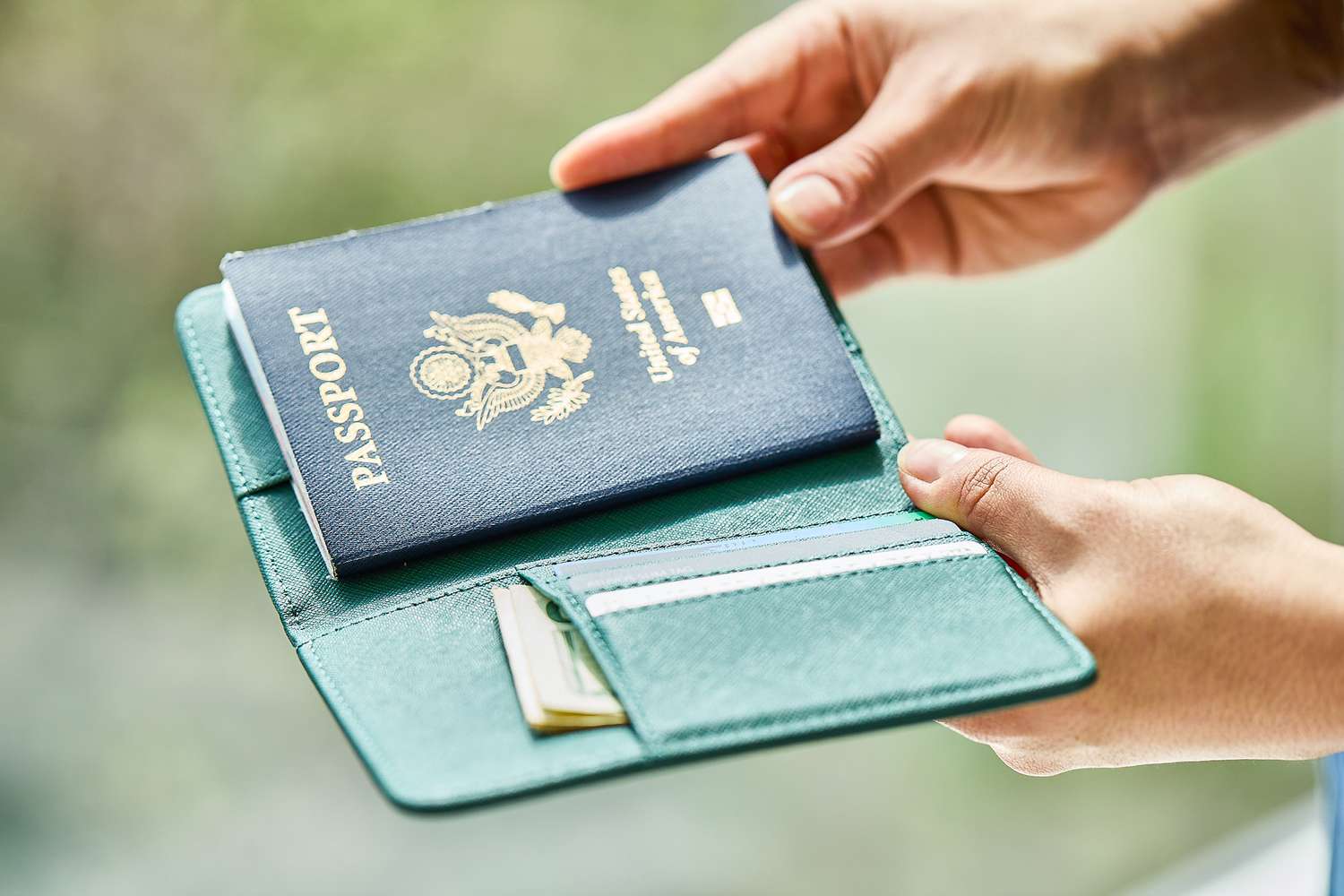
For the modern traveler, the dream of a permanent European lifestyle is often stalled by the complexities of long-stay visas and residency requirements. However, a legal loophole known as the schengen shuffle has become the gold standard for those seeking extended stays without the bureaucratic burden of a work permit or Golden Visa. This strategy relies entirely on the visa-waiver status granted to US passport holders, allowing entry into the schengen area for short-term tourism or business.
The schengen area currently includes 29 European countries that have officially abolished all passport and other types of border control at their mutual borders. It is crucial to distinguish this from the European Union; while the two often overlap, they are not identical. For instance, the Republic of Ireland is an EU member but remains outside the Schengen zone, making it a prime candidate for travelers executing how to do the schengen shuffle.
Adopting this slow travel philosophy requires a shift in perspective. Rather than rushing through capitals, travelers treat the continent as a series of pivots. You might spend a spring in the vineyards of Tuscany and the cafes of Paris, but as your 90-day limit approaches, you must strategically exit to a non-Schengen jurisdiction. This cyclical movement allows for a nomadic existence that satisfies both the desire for exploration and the strict mandates of European immigration policy.
The Math Behind the 90/180 Rule
The cornerstone of remaining legal while executing the schengen shuffle is understanding the schengen 90 180 rule explained for long term travel. The most common misconception is that the 180-day limit resets at the start of a new calendar year or upon a brief exit from the zone. In reality, the rule functions on a rolling 180-day window.
To calculate your compliance, you must look back at the 180 days immediately preceding each day you are present in the zone. If at any point your cumulative stay exceeds 90 days within that 180-day look-back period, you are in violation of your visa-waiver status. Border control scrutiny has intensified, and modern digital systems leave little room for error. Travelers are advised against trying to hide in micro-state traps like San Marino or Vatican City; while they lack border checks, they are entirely surrounded by Schengen territory, and your presence there still counts toward your total.
To manage this complex arithmetic, many long-term travelers now rely on compliance tracking tools. These specialized apps allow you to log every entry and exit, providing a real-time countdown of your remaining days. Relying on manual passport stamps is increasingly risky, especially as the continent moves toward a fully digitized border infrastructure.
Your Strategy Map: Top Non-Schengen Buffer Countries
Successfully executing a schengen shuffle itinerary for americans requires a list of reliable reset countries. These are European nations that are not part of the Schengen agreement, offering their own unique stay limits for US citizens. The goal is to choose a location that provides a comfortable lifestyle while you wait for your 180-day window to clear.
| Country | Stay Limit for Americans | Strategic Value |
|---|---|---|
| United Kingdom | 180 Days | High connectivity; no language barrier |
| Ireland | 90 Days | Proximity to Western Europe; English speaking |
| Albania | 365 Days | Exceptional value; one-year stay for US citizens |
| Georgia | 365 Days | Digital nomad friendly; low cost of living |
| Montenegro | 90 Days | Stunning coastlines; easy Balkan access |
| Cyprus | 90 Days | Mediterranean climate; outside the unified zone |
As you plan your schengen shuffle itinerary, consider the balkan travel alternatives. Countries like Serbia and Montenegro offer a high quality of life at a fraction of the cost of Western Europe. These nations are ideal for digital nomads who need to maintain a productive work schedule while resetting their Schengen clock.
Many travelers find that non schengen countries in europe for long stays offer a different, often more authentic, slice of European life. Albania, in particular, has become a favorite for Americans due to a bilateral agreement that permits a full year of residency upon entry, providing a massive buffer for any long-term travel plan.
2026 Compliance: ETIAS and the Entry/Exit System (EES)
The landscape of European travel is undergoing a seismic shift with the introduction of new digital security mandates. Travelers must now prepare for the etias requirements for american travelers 2026. The European Travel Information and Authorisation System (ETIAS) is not a visa, but a mandatory electronic pre-authorization similar to the US ESTA. It will be linked to your passport and valid for three years, or until the passport expires.
Complementing ETIAS is the European Entry/Exit System (EES). This system will replace physical passport stamps with a centralized database that records a traveler's name, type of travel document, biometric data (fingerprints and facial images), and the date and place of entry and exit. For those attempting the schengen shuffle, this means that every single day spent inside the schengen area will be automatically calculated by a computer. The days of hoping a border guard misses an old stamp are over.
ETIAS Quick Facts
- Expected Implementation: 2026
- Fee: €7 (exemptions for those under 18 or over 70)
- Process: Online application required before boarding
- Purpose: Enhanced security and automated overstay tracking
With the European Entry/Exit System (EES) coming online, the pressure to maintain perfect records is higher than ever. Border officials will be able to detect overstays instantly, triggering immediate fines or deportations. If your goal is to utilize this passport-free travel zone for years to come, absolute digital compliance is the only path forward.
Tax Residency Liabilities and Legal Risks
While the shuffle is a legal travel strategy, it intersects dangerously with international tax law. There is a sharp distinction between a legal tourist stay and becoming a tax resident. Most European nations follow the 183-day tax rule, which stipulates that if you spend more than half a year in a single country, you are considered a tax resident and are liable for local income taxes.
However, the 183-day threshold is not the only trigger. Tax authorities also look for the center of vital interests. If you rent a long-term apartment in Lisbon, open a local bank account, and enroll your children in school, Portuguese tax authorities may argue you are a resident even if you perform a schengen shuffle to stay under the 180-day immigration limit.
The schengen shuffle tax residency risks are significant. Establishing a primary residence in one country while technically remaining a 'tourist' in the eyes of immigration can lead to tax residency liabilities that are difficult and expensive to untangle. It is essential to consult with a tax professional who understands the nuances of the US-EU tax treaties to ensure you are not accidentally creating a massive financial burden.
Logistics: Housing, Pets, and Moving
Living a nomadic life across Europe requires sophisticated global relocation logistics. One of the primary hurdles is securing long-term property rentals. While platforms like Airbnb are convenient, they are often prohibitively expensive for year-round stays. Many successful shufflers negotiate off-platform rates for multi-month bookings or use local agencies in non-Schengen hubs like Tirana or Tbilisi.
If you are traveling with animals, the complexity increases. Moving a pet between Schengen and non-Schengen zones requires meticulous attention to USDA health certificates and EU Pet Passports. Each time you cross a border into the Schengen zone, you may need a new clinical examination or a specific health certificate, depending on the country of origin. For those with larger dogs, private flight options like K9 Jets have become a popular, albeit premium, way to bypass the stress of commercial cargo holds.
Ultimately, the shuffle is more than a loophole; it is a lifestyle choice. It requires a high degree of organization and a willingness to embrace international mobility trends. By alternating between the historic centers of the Schengen zone and the rising stars of the Balkans and Caucasus, you can create a sustainable, legal, and enriching European life.
FAQ
What is the Schengen shuffle strategy?
The Schengen shuffle is a method used by travelers from visa-exempt countries, like the United States, to stay in Europe indefinitely. It involves staying in the Schengen Area for up to 90 days, then moving to a non-Schengen country for at least 90 days to allow the rolling 180-day window to reset, before returning to the Schengen zone.
How does the Schengen shuffle work?
The strategy works by strictly adhering to the 90/180-day rule. A traveler enters the Schengen Area and stays for a maximum of 90 days. Before the 90th day, they exit to a non-Schengen country (such as the UK or Albania). They remain outside the Schengen zone for at least 90 days, which ensures that upon their next entry, they have not spent more than 90 days in the zone within the previous 180-day period.
What 5 countries are not in Schengen?
Within the broader European geographic area, several prominent countries are not part of the Schengen zone. Five notable examples include the United Kingdom, Ireland, Albania, Montenegro, and Cyprus. These nations maintain their own independent border controls and visa requirements, making them ideal reset locations for the shuffle.
Which country will join Schengen in 2026?
While several countries are in the process of full integration, the expansion of the Schengen zone is a political process. Bulgaria and Romania recently joined for air and sea travel in 2024, with land border integration expected to follow. There is no single country currently confirmed to join specifically in 2026, but travelers should watch for updates regarding Cyprus and the full land integration of Bulgaria and Romania.