Quick Facts
- The Six-Month Club: Over 120 countries are exempt from the rule when entering the United States, but this does not apply to most Americans heading abroad.
- The Global Standard: Approximately 86 countries worldwide currently require a traveler's passport to be valid for at least six months beyond their planned travel dates.
- Schengen Variance: The 29 countries within the European Schengen Area generally require a buffer of three months beyond your intended departure date.
- Major Exceptions: Popular destinations like Mexico and Canada typically only require that your document remains valid for the duration of your stay.
- The Enforcement Gap: Airlines are often stricter than immigration officers, as they face heavy fines for transporting passengers with insufficient passport validity.
- The Golden Rule: For 2026 travel, the safest practice is to ensure your arrival date plus six months is well within your passport expiration date.
The six-month passport validity rule requires that a traveler's passport remains valid for at least six months beyond their arrival or planned departure date. Many countries, including Thailand, Egypt, and Vietnam, enforce this policy to ensure a buffer period during a traveler's stay. If your passport expires within this six-month window, airlines may deny you boarding even if the document is technically current.
As a travel critic, I have seen more vacations ruined at the check-in counter than at the border. Travelers often look at the date printed on their identification and assume it is a hard deadline. In the world of international travel, however, a passport expiring on December 1st may functionally "expire" for travel purposes as early as June 1st. This hidden buffer period is a legal requirement designed to ensure that if a traveler should fall ill, face legal issues, or experience flight delays, their travel document remains valid throughout their extended stay. As we look ahead to travel in 2026, understanding the nuances of passport validity is the single most important step in your pre-flight checklist.
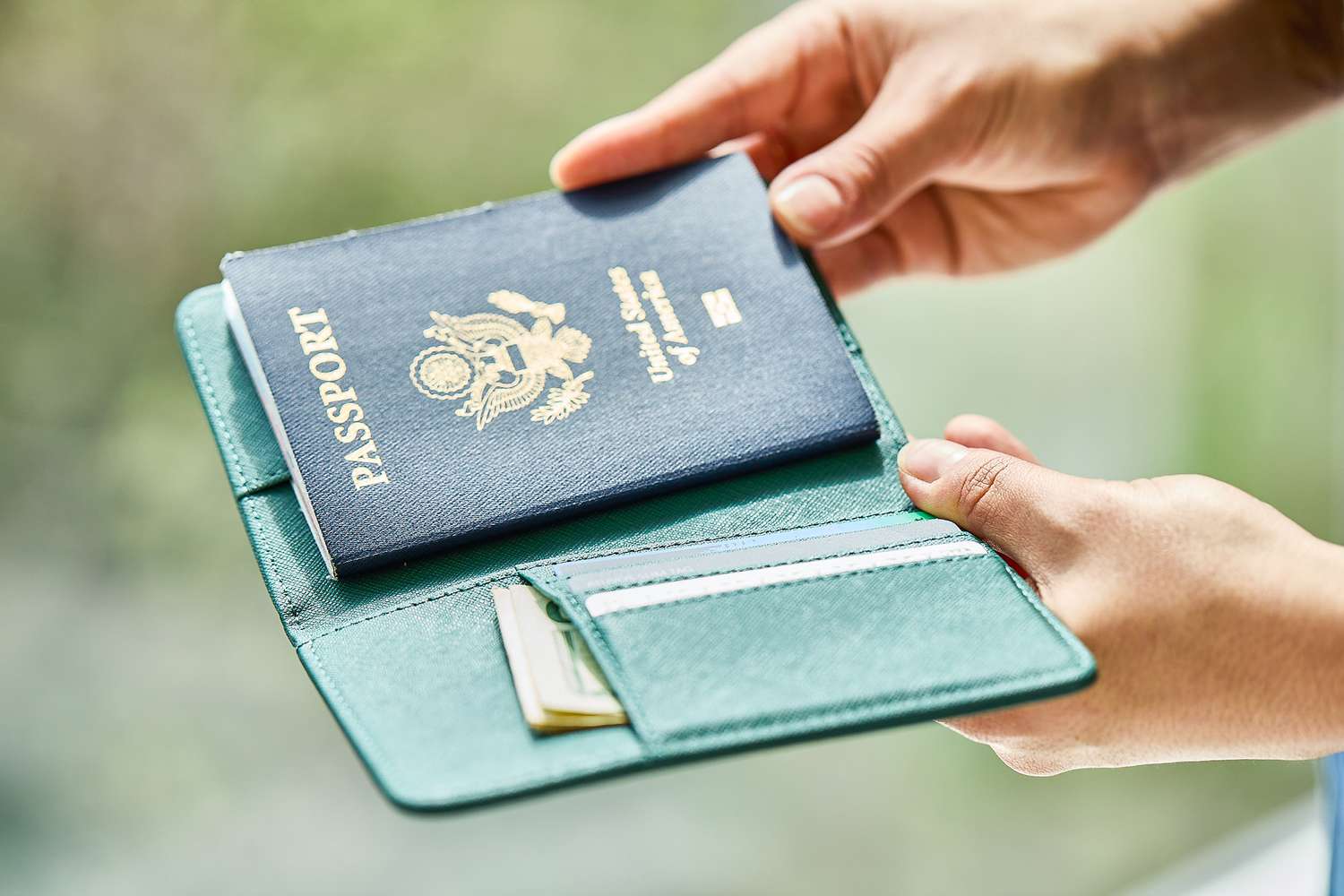
Why the 6-Month Passport Rule Exists: Airlines vs. Countries
To understand this rule, one must distinguish between the laws of a nation and the operational policies of an airline. While a border control agent in a foreign country has the final say on your entry, the airline acts as the primary gatekeeper. Under IATA regulations, airlines are held financially responsible for any passenger they carry who is denied entry due to improper documentation. If a traveler is turned away because their passport validity does not meet the destination's rules, the airline must fly that person back to their origin and may face fines exceeding $5,000 per passenger.
Consequently, gate agents are trained to be risk-averse. Even if a country has a flexible policy, an airline might enforce a stricter standard to protect its bottom line. This leads to the common phenomenon of being denied boarding for passport validity reasons at the airport, even if you have a valid visa and an onward ticket.
It is also critical for travelers to ask: is passport validity date the expiration date? Technically, no. The expiration date is the day the document loses its legal status. Travel validity, however, is the window of time during which the document is accepted for entry into a specific country. Using a passport with only four months of life remaining to enter a country that requires six months is effectively traveling with an expired document in the eyes of the law.
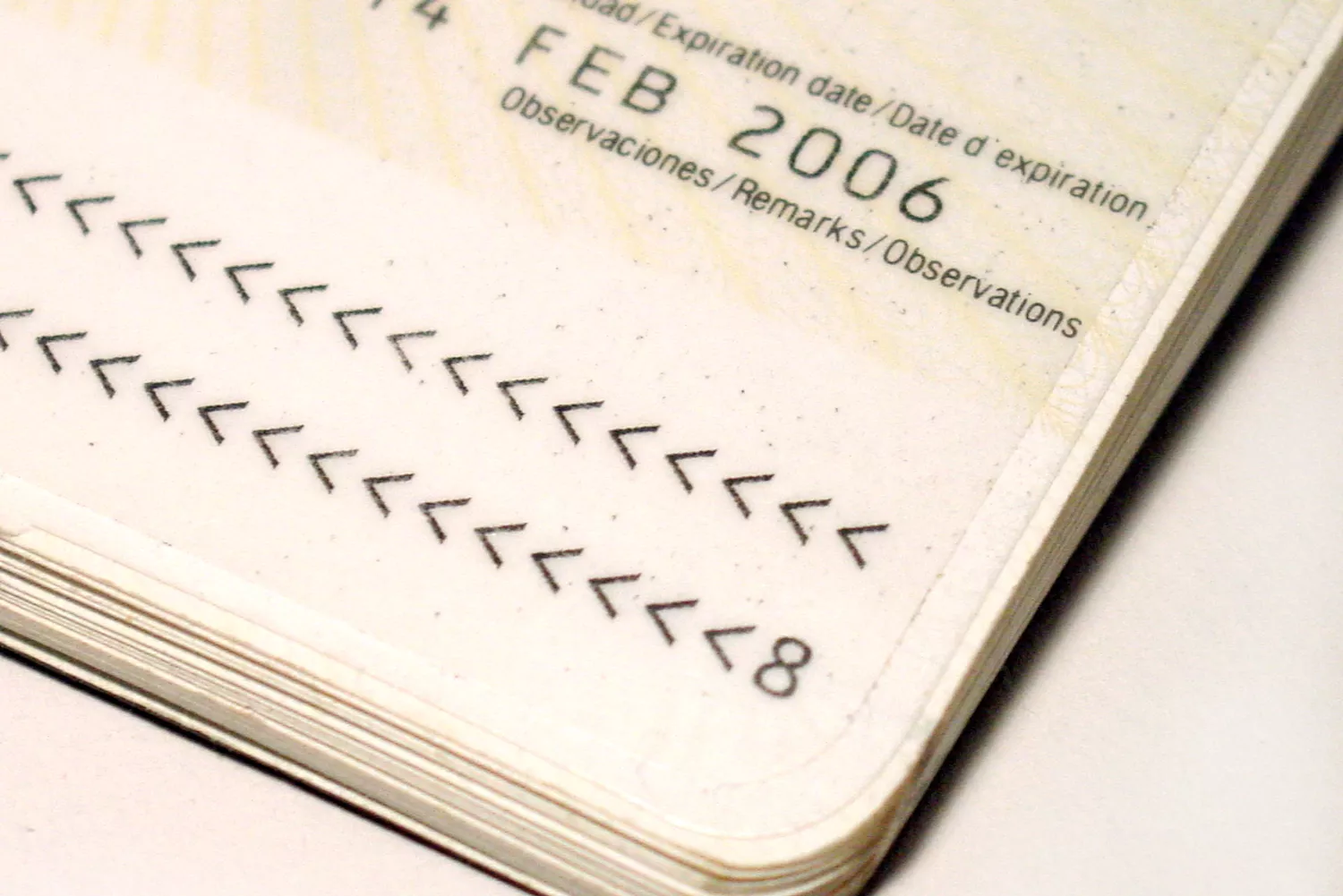
Tier 1: Countries Requiring 6 Months of Validity
For a significant portion of the globe, the six-month passport validity rule is non-negotiable. Major international destinations including China, Thailand, India, and the United Arab Emirates strictly enforce the six-month passport validity rule for all incoming foreign travelers.
In these jurisdictions, the clock usually starts from the date of your arrival. If you arrive in Bangkok on July 1st, your passport must be valid until at least January 1st of the following year. Some countries, such as Vietnam and Egypt, are particularly rigorous during the visa application process; they will not even issue an e-visa if your document does not meet the six-month threshold.
Warning: Do not rely on "emergency extensions" or "grace periods" in Tier 1 countries. Immigration officers in these regions rarely grant exceptions, and you will likely be deported on the next available flight.
When planning a multi-country itinerary in Southeast Asia or the Middle East for 2026, the cumulative effect of these rules becomes complex. If you are traveling for three months, you must ensure the six-month buffer applies to the end of your trip to remain compliant with every border you cross. This is why many veteran travelers view the six-month mark as the functional expiration of their passport and begin renewing the document at the seven or eight-month mark.
Tier 2: The 3-Month Rule and the Schengen Area
Europe presents a slightly different landscape. The 29 countries comprising the Schengen Zone, including popular spots like France, Italy, and Greece, generally adhere to a three-month validity requirement. However, the way this is calculated is often misunderstood.
The European requirement specifies that your passport must be valid for at least three months beyond your intended departure date from the Schengen Area. If you plan to spend two months backpacking through Europe, your passport needs to be valid for five months from the day you land (two months for the stay, plus a three-month buffer).
While the 26 countries in the European Schengen Area generally follow a three-month validity rule beyond departure, many airlines may still deny boarding to passengers with less than six months of remaining passport life to avoid potential immigration issues. For those traveling in late 2026, be aware of the new travel authorization requirements under the ETIAS system, which will likely cross-reference your validity window before you even reach the airport.
Tier 3: Exceptions – Countries Without the 6-Month Requirement
If you find yourself with an expiring passport and a trip scheduled for next week, not all hope is lost. There are several major tourism hubs where the six-month passport validity rule does not apply.
- Mexico: The mexico passport validity rule is one of the most traveler-friendly in the world. Mexico only requires that your passport be valid for the duration of your stay. As long as your document hasn't expired by the time you leave, you are technically clear to enter.
- Canada: Similarly, the validity of passport to travel to canada generally only needs to cover the length of your visit. However, an immigration officer may look for a small buffer to ensure you can return home if your flight is delayed.
- The United Kingdom: The UK typically requires validity for the duration of the visit. However, with the rollout of the UK ETA (Electronic Travel Authorization), the system may flag documents with very short expiration windows.
- Australia: For most visitors, your passport only needs to be valid for the duration of your intended stay, though having a buffer is always recommended to avoid boarding issues.
If you are asking which countries do not require 6 months of passport validity, you can also look into the "Six-Month Club." This is an agreement involving over 120 countries (including the US) that allows citizens of these nations to enter each other's territory as long as the passport is valid at the time of entry. However, travelers should note that an immigration officer has the right to shorten your permitted stay to match your passport expiry date.
| Requirement Level | Popular Destinations | Window Calculation |
|---|---|---|
| Strict 6-Month | China, Thailand, UAE, Vietnam, Egypt | 6 months from arrival |
| 3-Month Buffer | France, Italy, Spain, Germany, Greece | 3 months from departure |
| Duration of Stay | Mexico, Canada, UK, Australia | Date of departure |
How to Calculate Your Safety Window
Calculating your safety window requires more than just looking at a calendar. You must account for your arrival date, your scheduled departure date, and any potential "what-ifs." Because processing times for renewals can fluctuate significantly, I recommend a proactive 9-6-3 strategy.
- At 9 Months: Check your expiration date. If it falls within the next nine months, start monitoring government processing times.
- At 6 Months: This is the danger zone. Most international travel should be avoided unless you are heading to a "Duration of Stay" country like Mexico. Proceed with renewing passport with less than 6 months left immediately.
- At 3 Months: Even the Schengen Area becomes risky. At this stage, you should seek an expedited service for renewal.
To verify country specific entry requirements during your planning phase, always consult the official Department of State website or the consulate of your destination. Do not rely on third-party blog posts that may be outdated. For 2026, keep in mind that minor passports for children under 16 are only valid for five years, meaning they reach their "danger zone" much faster than adult documents.
If you discover your passport is too close to the limit, an expedited service is your best defense against denied boarding. Private couriers can often facilitate renewals in a matter of days, whereas standard government mail-in services can take weeks. When your vacation investment involves thousands of dollars in non-refundable flights and hotels, the cost of an expedited renewal is a small price to pay for peace of mind at border control.
FAQ
What countries need 6 months on a passport?
There are approximately 86 countries that enforce this rule, including major destinations like Thailand, China, Vietnam, India, Egypt, and the United Arab Emirates. Many countries in Africa, Asia, and the Middle East prioritize this buffer to ensure visitors don't overstay their documents during unexpected delays.
Can I travel with less than 6 months on my U.S. passport?
Yes, but only to specific regions. You can travel to Mexico, Canada, and the United Kingdom, which typically only require validity for the duration of your stay. However, you should be prepared for extra scrutiny from airline agents who may be unfamiliar with the specific exceptions for U.S. citizens.
Can I travel with less than 6 months on my passport?
It depends entirely on your destination. If you are heading to the Schengen Zone in Europe, you need at least three months beyond your departure. If you are heading to most of Southeast Asia, you will almost certainly be denied boarding if you have less than six months of validity remaining.
Can I still travel with 3 months left on my passport?
You can travel to countries that only require validity for the duration of the stay (like Mexico) or to the United Kingdom. Most other international travel becomes highly restricted at the three-month mark. Even in countries that legally allow it, you face a high risk of an airline representative refusing to let you board your flight.
What is the new rule for passport renewal?
As of 2026, the primary "new" aspect of renewal is the increased integration of digital travel authorizations (like ETIAS in Europe and the UK ETA). These systems often automatically reject applications if the passport validity does not meet the 3 or 6-month buffer requirements of the host country, making it impossible to even book your flight without a current document.