Quick Facts
- Status: The smallest non-city state in Germany, located at the crossroads of France and Luxembourg.
- Geography: A highly green landscape where one-third of Saarland’s total land area is covered by forest, making it one of the most wooded regions in the country.
- UNESCO Heritage: Home to the Völklingen Ironworks, the world's only fully preserved industrial site from the golden age of iron production.
- Gastronomy: Holds the highest density of Michelin stars per capita in Germany, featuring 12 stars in the latest culinary guides.
- Signature Landmark: The Saarschleife, a dramatic 180-degree river loop that serves as the region's natural centerpiece.
- Culture: A unique blend of French flair and German tradition, often referred to as the Franco-German savoir-vivre.
Saarland is Germany's smallest non-city state, located in the southwest along the borders of France and Luxembourg. Its capital city is Saarbrücken, a historic industrial and cultural hub known for its Baroque architecture, vibrant St. Johanner Market Square, and the Saar River which runs through the heart of the city. As a premier destination for sustainable tourism, it offers a distinct hybrid of industrial history, high-end gastronomy, and vast woodland escapes.
Often overlooked for its industrial past, saarland germany has transformed into a sustainable travel paradise. While many travelers flock to the Black Forest or the Bavarian Alps, this border region offers a more intimate, sophisticated alternative. Whether you are searching for the best hiking trails in saarland or world-class art housed in former ironworks, the region defies easy categorization. It is a place where workers' history meets fine dining, and where the echoes of French administration are still felt in the local architecture and the relaxed pace of life.
1. The Iconic Saarschleife and Nature-First Transformation
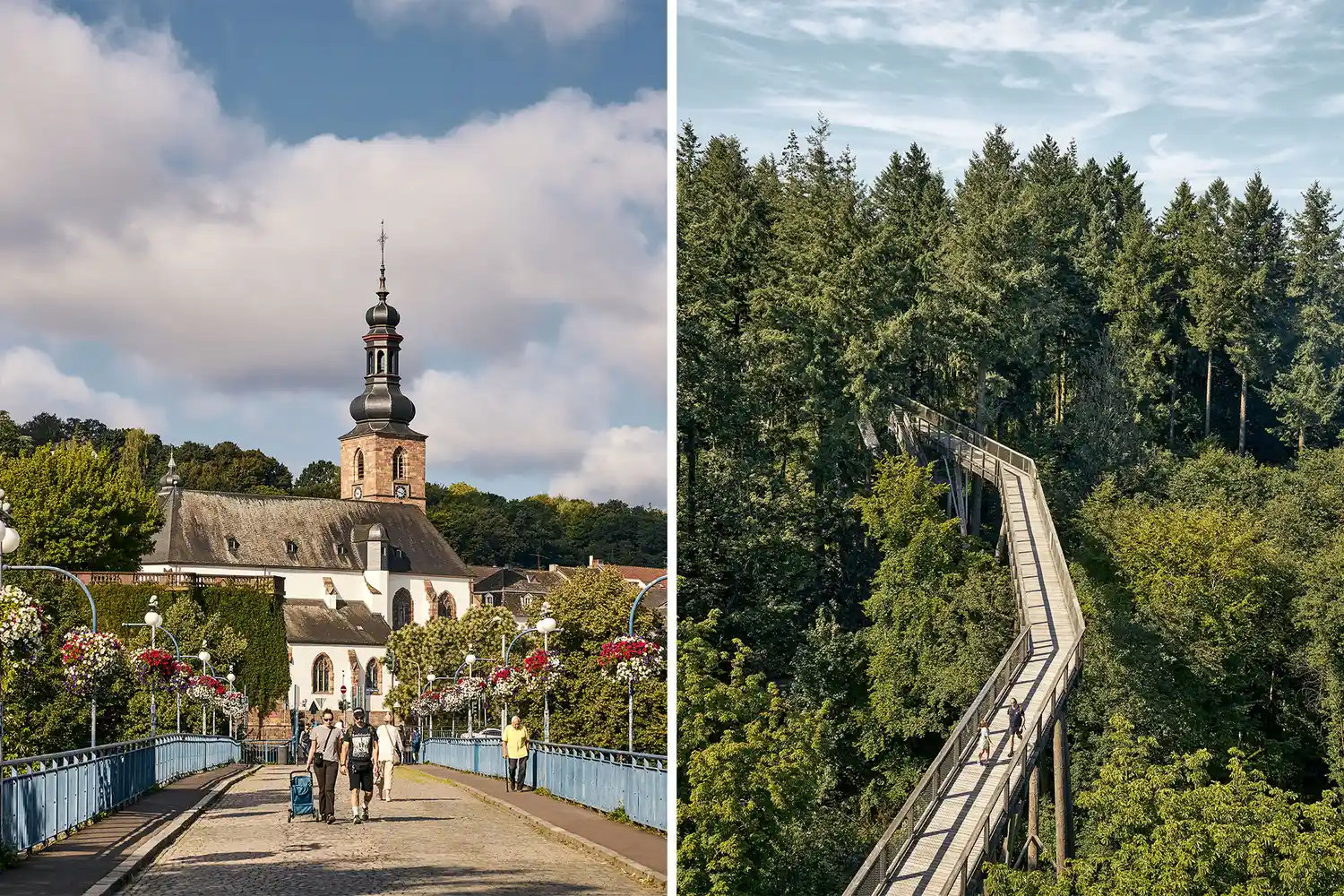
The visual identity of saarland germany is inextricably linked to the Saarschleife river loop. Located near mettlach saarland germany, this stunning geographical feat is where the Saar River carves a perfect U-turn through deep quartz rock. In recent years, the region has transitioned from a coal-heavy economy to a sanctuary for nature seekers. Today, this green escape is celebrated for its commitment to sustainable tourism, offering visitors a chance to see how nature reclaims and enhances the landscape.
One of the most popular things to do in saarland germany is to ascend the Treetop Walk Saarschleife. This architectural marvel spirals 42 meters above the forest floor, providing a literal bird’s-eye view of the river loop. Beyond the panoramas, the region is a powerhouse for outdoor enthusiasts. The Saar-Hunsrück Climb, which starts here, is frequently cited among the best hiking trails in saarland, leading trekkers through ancient beech forests and rocky ridges that feel worlds away from the nearby urban centers.
2. UNESCO Industrial Heritage at Völklingen Ironworks
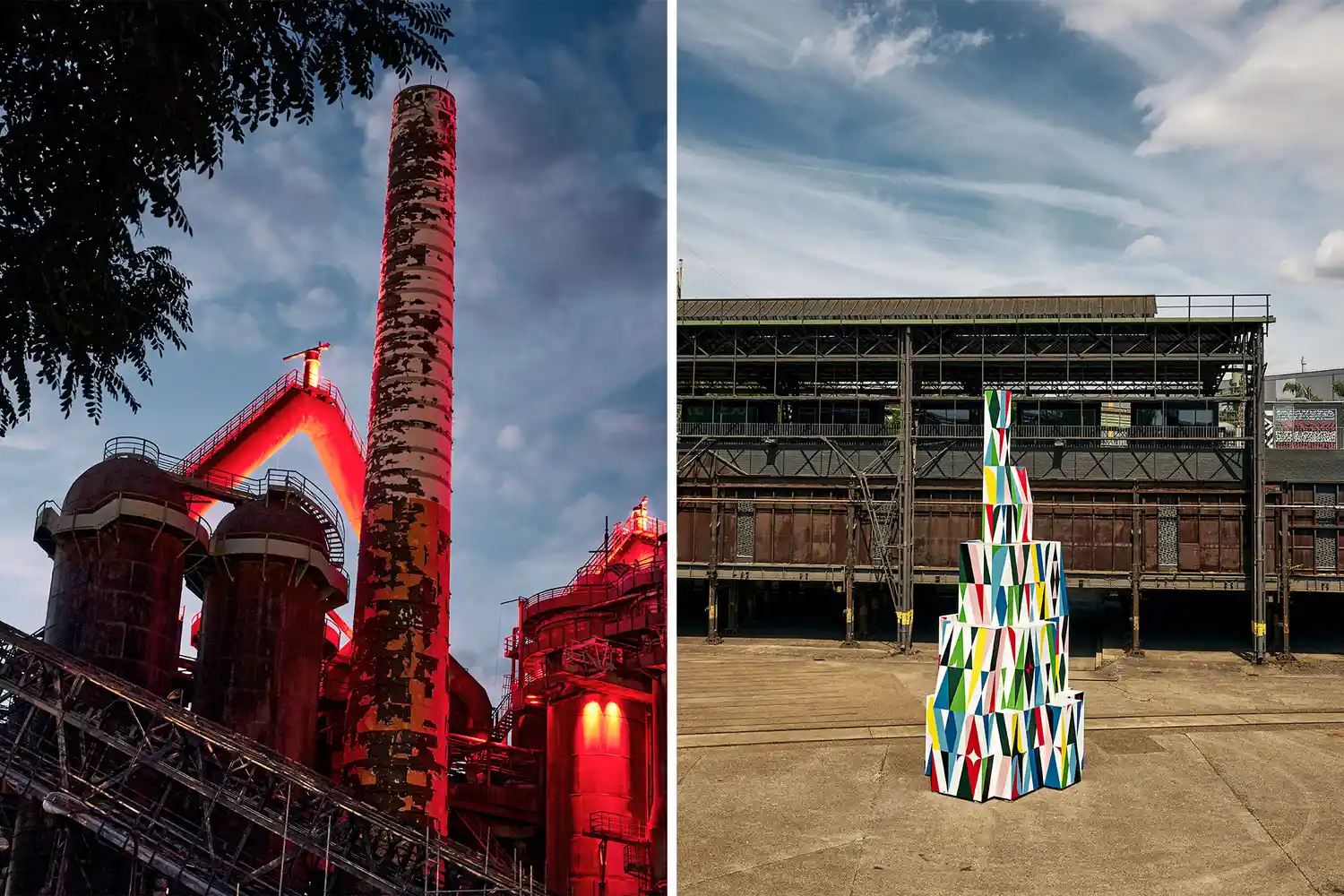
If the Saarschleife is the soul of the region's nature, the Völklingen Ironworks is the heart of its history. This is not just another museum; it is a cultural cathedral. As a UNESCO World Heritage Site, völklingen saarland germany represents the only intact ironworks from the height of the industrial age. Walking through the massive sintering plant or climbing the blast furnace platforms offers a visceral look at the grit and fire that once powered Europe.
What makes this site one of the most compelling saarland germany tourist attractions is its repurposing as a hub for contemporary art. The juxtaposition of rust-red steel and avant-garde installations creates a hauntingly beautiful atmosphere. The Burden of Memory is often explored through exhibits by world-renowned artists like Christian Boltanski, who use the industrial backdrop to comment on human labor and time. As you explore the various saarland cities, Völklingen stands out as the ultimate monument to the industrial culture that shaped the modern world.
3. The Franco-German Savoir Vivre of Saarbrücken
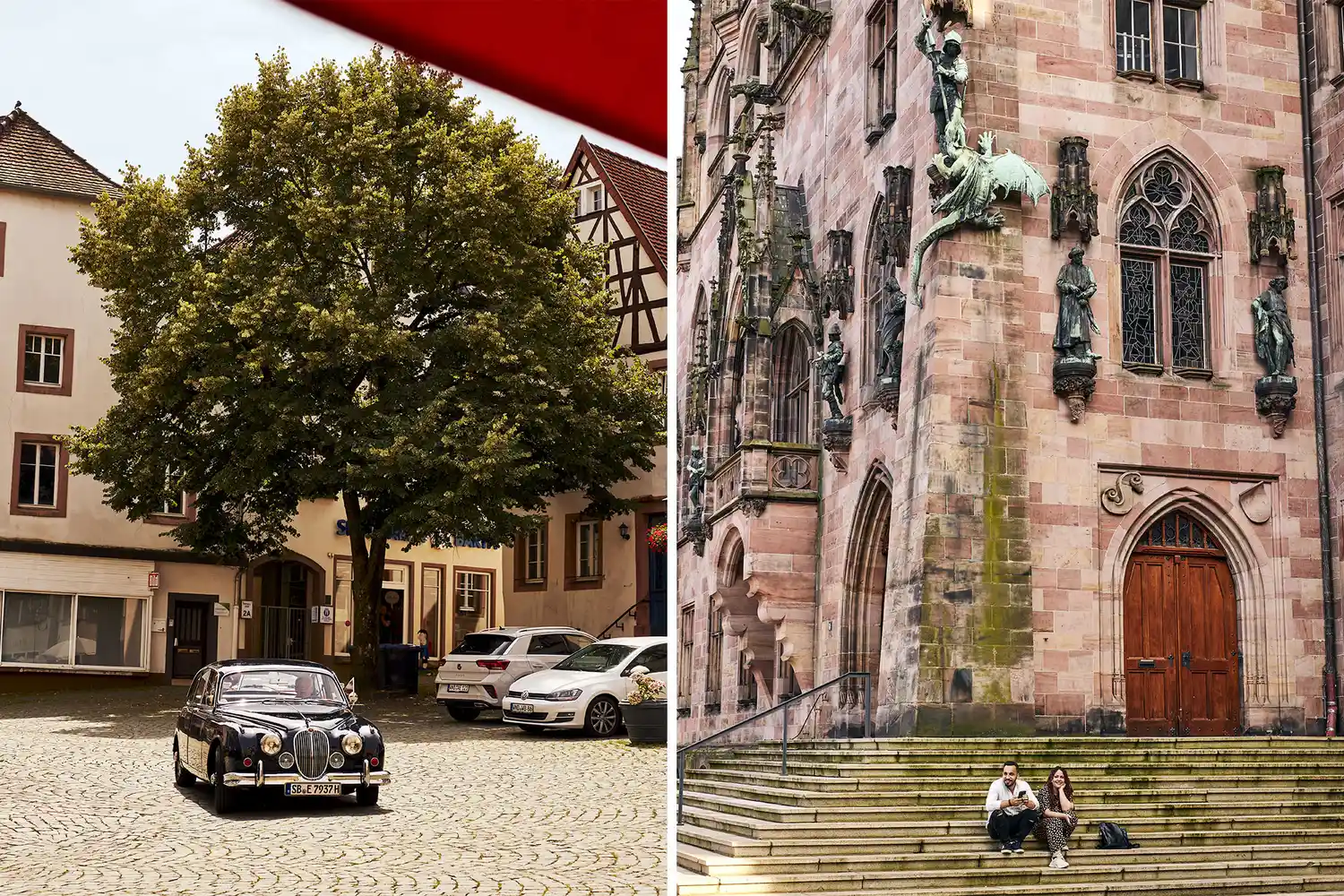
The saarland capital of Saarbrücken is a masterclass in Baroque elegance and border-town charm. Located just a few kilometers from the French border, the city carries an air of relaxation—the so-called savoir-vivre—that is rarer in northern Germany. The architectural identity of the city was largely defined by Friedrich Joachim Stengel, whose Baroque influence is most evident in the magnificent Ludwig’s Church (Ludwigskirche), considered one of the most important Protestant Baroque churches in Germany.
A walk through saarbrücken saarland germany reveals a city of contrasts. The St. Johanner Market serves as the social epicenter, filled with cafes and boutiques that transition seamlessly from German bakeries to French-style bistros. For a deeper look at the local life, head to Fröschengasse, where former 18th-century workers’ cottages have been transformed into charming restaurants. As you wander through the various saarland cities, you will find that the capital serves as the perfect bridge between the region's industrial strength and its refined, modern lifestyle.
4. A Culinary Powerhouse with Michelin Standards
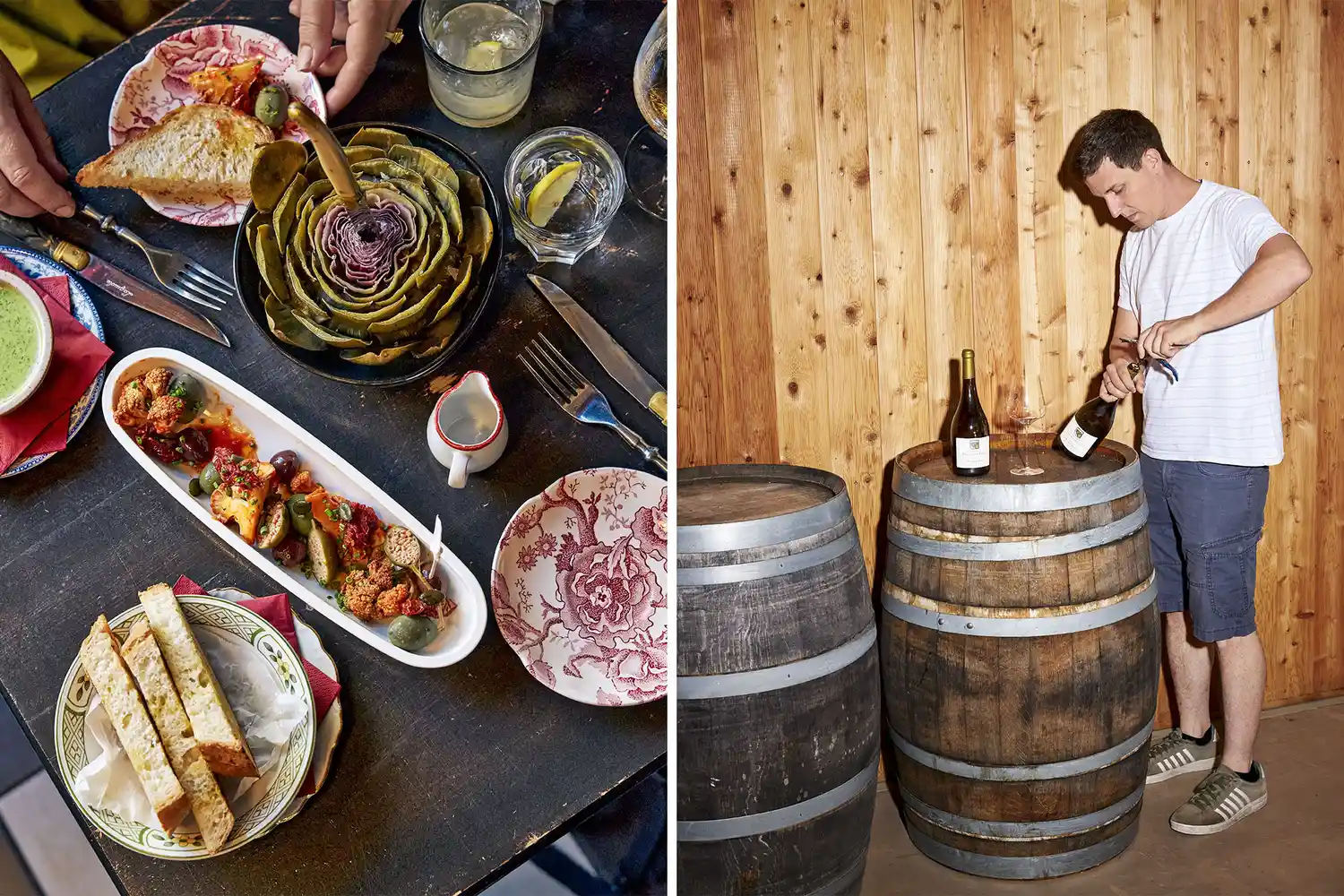
For foodies, saarland germany is a revelation. The region holds a staggering 12 total stars awarded to its restaurants in the 2024 Michelin Guide, giving it a culinary density that rivals global gastronomic hubs. This excellence is rooted in the high-quality produce of the region and a local culture that prioritizes the pleasure of the table.
Our saarland food and wine guide wouldn't be complete without mentioning the Moselle wine region. Near the village of perl saarland germany, the limestone soils produce world-class Riesling and Pinot Noir. The focus here is increasingly on organic viticulture, reflecting the state's broader commitment to sustainability. Even if you aren't dining in a white-tablecloth establishment, the local specialties are a must-try. Look for Lyoner sausage, often prepared over a beechwood fire (Schwenker), and pair it with a glass of Viez, a tart local apple cider that has been a regional staple for centuries.
5. High Art in Ancient Spaces: Tholey and Homburg
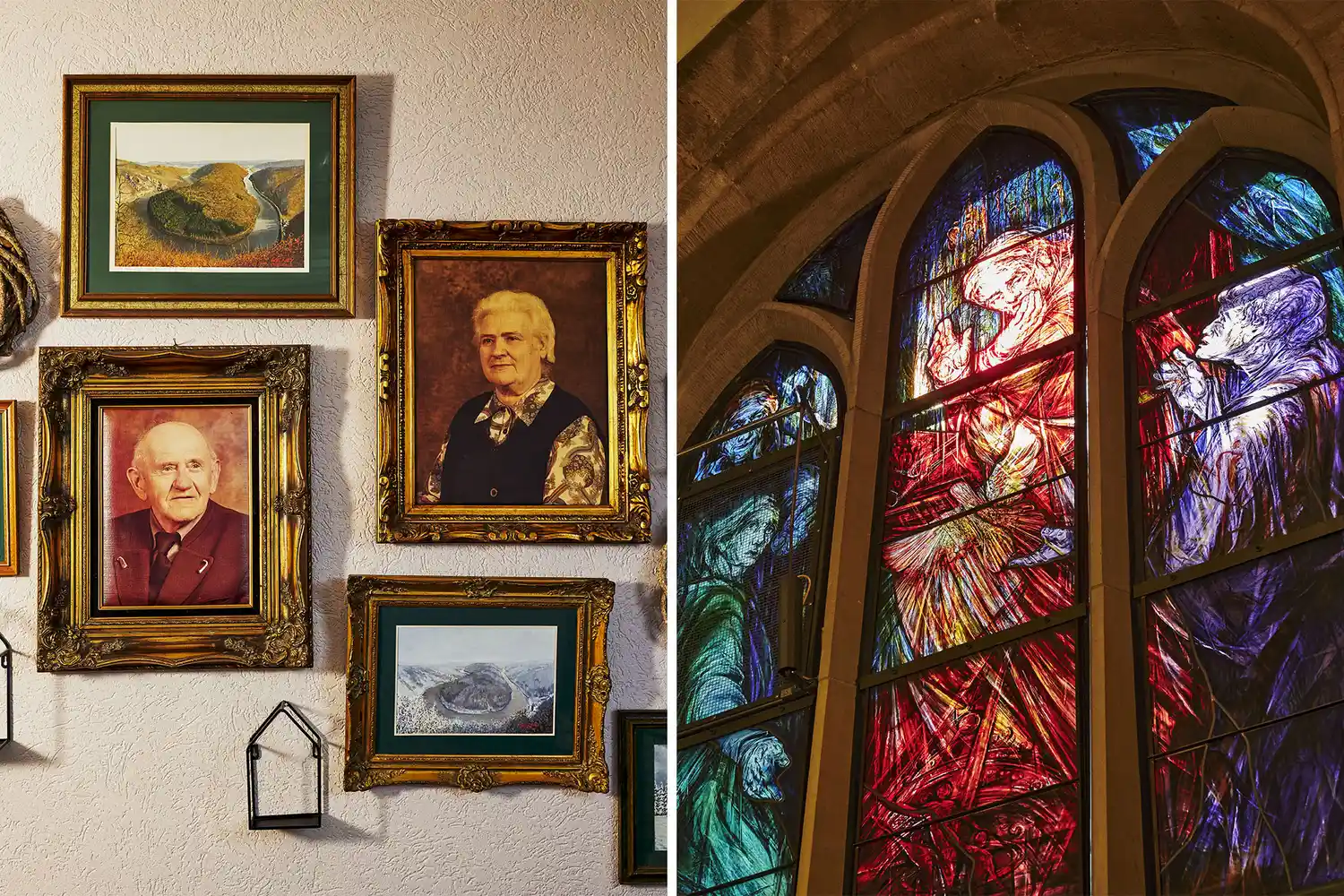
Beyond the industrial and the natural, saarland germany harbors deep historical and spiritual treasures. The Benedictine Abbey in Tholey is a prime example. As one of the oldest monasteries on German soil, it made international headlines recently with the installation of new stained-glass windows. Three of these windows were designed by the legendary Gerhard Richter, the world's most expensive living artist, creating a breathtaking interplay of light and ancient stone that draws art pilgrims from across the globe.
For those who prefer their history underground, the Schlossberg Caves in Homburg are the largest man-made red sandstone caves in Europe. These twelve tiers of labyrinthine tunnels offer a cool, surreal escape into the geological heart of the region. After exploring these depths, many visitors choose to unwind at one of the wellness retreats in saarland germany, such as the Seezeitlodge near Lake Bostalsee, which integrates Celtic traditions into modern spa treatments, offering a perfect conclusion to a cultural tour.
Planning Your 2026 Visit: Logistics and Travel Tips
Getting to this central European hidden gem is remarkably efficient. The region is well-connected to the European high-speed rail network, making it a viable weekend escape from major hubs.
- How to get to saarland germany: The saarland capital is easily accessible via ICE and TGV trains. Travel times from Paris are just under two hours, while Frankfurt is a mere 90 minutes away.
- Local Transit: In 2026, the 49-Euro Deutschland-Ticket remains the best way to navigate between major sites. The proximity of attractions—often only 30 minutes apart—makes the region ideal for those who prefer not to rent a car.
- Best Time to Visit: late spring through autumn offers the best weather for exploring the forest hiking paths and enjoying the outdoor terraces in Saarbrücken.
- Accommodation: Consider staying in the Saarbrücken city center for urban vibes or near Lake Bostalsee for a nature-focused retreat.
FAQ
What is Saarland, Germany known for?
Saarland is best known for its unique Franco-German culture, the spectacular Saarschleife river loop, and its industrial heritage. It is home to the UNESCO World Heritage Völklingen Ironworks and maintains the highest density of Michelin-starred restaurants per capita in Germany.
Is Saarland French or German?
Historically, Saarland has changed hands between France and Germany several times over the centuries. Today, it is a German state, having officially joined the Federal Republic of Germany in 1957, but it retains a strong French influence in its cuisine, architecture, and lifestyle.
What language do they speak in Saarland Germany?
The official language is German. However, due to its location in the border triangle, French is widely spoken and taught in schools. Many locals also speak a distinct Rhine Franconian dialect known as Saarländisch.
What is Saarland famous for?
The region is famous for the Saarschleife river loop in Mettlach, the Tholey Abbey featuring Gerhard Richter's stained-glass windows, and its exceptional culinary scene. It is also recognized for its large proportion of forested land and its history in coal and steel production.
Is Saarland a good place to live?
Saarland offers a high quality of life characterized by affordable living costs, short commute times, and immediate access to nature. Its position in the heart of Europe near Luxembourg and France makes it an attractive hub for professionals in the cross-border labor market.
Discover Saarland Today
Whether you are drawn by the industrial rust of a UNESCO World Heritage Site or the refined flavors of a Michelin-starred kitchen, saarland germany proves that the best travel experiences often lie just off the beaten path. This is a region that has successfully reinvented itself, trading coal smoke for forest air without losing its historical soul. As you plan your next European adventure, look toward the southwest border—a place where the French joie de vivre meets German precision in the most delightful way.